
You don’t always need a roof tent or a full camper to extend a road trip into real adventure. A car pops up tent turns a parking spot into a shaded hangout, a sleeping nook, or a play zone in minutes, no pegs, no poles wrestling, no tarp knots. The trick is matching the style to the vehicle you drive and the way you actually use it.
A Closer Look At The Lineup

HASIKA SUV Tailgate Tent, 2-Person Awning

CoolCabana Beach Shade Tent, UPF 50+

Napier Backroadz Truck Bed Tent

DOOLMIN Pop Up Play Tent for Kids
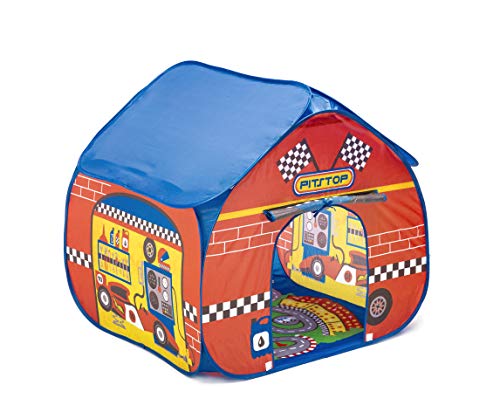
Pop-It-Up Pit Stop Tent, Red

HASIKA Waterproof SUV Tailgate Awning
Inside Each Recommended Option
The HASIKA SUV awning is built for the grab-and-go crowd. It weighs just 3.5 lb, which is roughly the heft of a small laptop bag, and the design springs open in about two minutes. Solo travelers who park at trailheads, lakesides, or weekend festivals will appreciate how little space it eats in a trunk.
The shell uses 210T polyester with a silver coating, blocking about 98% of sunlight and rated for 3000mm of rain protection. Translation: full sun becomes workable shade, and a passing shower won’t soak your kit. Setup straps to a side door or hatch rather than the tailgate, which keeps the rear cargo area open for gear.
Everyday Wins
- Sub-4 lb carry weight makes it easy to stash behind a spare tire or under a cargo floor
- Two-minute pitch means you’ll actually use it on short stops, not just overnight trips
- Silver-coated fabric runs cooler under direct afternoon sun, useful on black-painted SUVs
- Side-mount design preserves hatch access for loading coolers and chairs
Things To Consider
- Two-person footprint feels snug once you add a chair, cooler, and a dog crate
- Owners commonly report the included stakes bending in rocky soil, so a backup stake set is worth packing
Feature Snapshot
Right Fit For
Solo SUV owners taking day trips or quick overnight stops where weight and pack size matter more than square footage.
Where Another Pick Suits Better
For beach families needing broader UPF-rated coverage, the CoolCabana Beach Shade Tent fits the bill more naturally.
The CoolCabana reads as a beach-first shelter rather than a vehicle-mounted awning, and that difference matters. UPF 50+ means it filters roughly 98% of UV rays (UPF 50+ blocks about 98% of UV radiation), which is the key spec for parents watching fair-skinned kids. The pop frame is designed so one person can pitch it solo, with setup instructions stitched right into the carry bag.
You don’t need an SUV to use it, but you do need a vehicle to haul it comfortably; the large size folds down to roughly 3 ft 2 in. Sand anchoring is built into the frame, and the navy stripe fabric runs cooler in harsh midday sun than darker cabanas.
Notable Upsides
- UPF 50+ rating is third-party tested, not just a marketing claim
- One-person assembly saves arguments at a crowded parking lot
- Wide footprint shelters two beach chairs plus a small cooler or a toddler play zone
- Bag-mounted instructions mean no lost manual after the first summer
Worth Noting
- Beach-grade anchoring may need extra sandbags on gusty afternoons
- Not designed to mount to a vehicle, so there’s no covered transition from trunk to shade
Made For
Beach-going families with younger kids who need certified UV protection and a one-parent-friendly setup.
Look Elsewhere When
Drivers wanting a vehicle-attached shelter should step up to the HASIKA SUV Tailgate Tent instead, since it integrates with the car.
The Napier Backroadz isn’t an awning; it transforms a pickup bed into a two-person sleep cabin. Compared to the HASIKA SUV awning above, this one trades portability for shelter quality. You get a full rainfly, taped seams, and storm flaps on the windows, vents, and door, so a wet weekend doesn’t equal a damp sleeping bag.
Setup runs about ten minutes, longer than the pop-up beach options, but the nine adjustable straps grip most mid-size and full-size beds. Once you’re inside, the truck bed becomes a flat sleeping platform, which is more comfortable than sloped ground or a tailgate awning floor.
Reasons It Performs
- Full rainfly over the tent body adds a real weather layer, not just UV shade
- Adjustable strap system fits a wide range of bed sizes without modification
- Truck bed sleeping keeps you off wet, rocky, or uneven ground
- Two-person layout works for a solo adult plus gear or a parent-child pairing
Trade Offs
- Loses the truck bed for hauling during the trip, so plan loads carefully
- Ten-minute pitch is workable, but not ideal for short lunch breaks
- Padding is on you; a foam topper makes the metal floor much friendlier
Key Specs
Who It Suits Best
Pickup owners doing overnight trips who want a proper sleeping shelter without investing in a slide-in camper.
Consider Something Else When
Day-trippers who need shade without giving up cargo space will get more use out of the HASIKA Waterproof SUV Tailgate Awning.
The DOOLMIN sits in a different lane than the others here. It’s a vehicle-themed playhouse, not a camping shelter, and that distinction is worth naming up front. The green car design, two openings, and 1.5 lb weight make it easy to drag from the living room to the yard without much fuss.
Setup is genuinely tool-free: the frame springs out and the fabric goes with it. Steel supports give it some backbone, and the roll-up door closes with Velcro rather than a hard zipper, which is easier on toddler fingers. The waterproof fabric is a quiet plus, since juice spills and wet shoes happen.
Positive Takeaways
- 1.5 lb carry weight means older toddlers can drag it to a new spot
- Folds flat into a carry bag for closet storage between play sessions
- Rounded edges and Velcro closures reduce pinch points during energetic play
- Vehicle styling sparks car-themed pretend play without extra accessories
Honest Caveats
- Not a camping product, despite the pop-up tent label
- Durable in normal play, but the fabric will show wear faster with outdoor UV exposure
Best Suited To
Parents of toddlers who want a portable indoor-outdoor play space with a vehicle theme they can set up in seconds.
A Better Fit Elsewhere
For actual outdoor sun protection on a trip, the CoolCabana Beach Shade Tent does the job better for the same age group.
The Pop-It-Up Pit Stop Tent comes with a printed race-themed play mat, which is the detail that sets it apart from a generic playhouse. Kids can roll toy cars from the mat into the tent and back out, turning the whole setup into a single scene rather than two disconnected toys.
At 35.5 inches on each side when assembled, it fits a small child plus a playmate, and the polyester build wipes clean. It folds into a compact carry bag, similar to other pop-up play tents, so it stashes behind a couch or in a closet between weekends.
Good Reasons To Consider
- Included race mat extends the play value beyond the tent walls
- Cubic shape gives more interior headroom than flatter tunnel-style tents
- Removable roof adds open-air play on dry days and an enclosed feel on chilly ones
- Polyester fabric is easy to spot clean after snack time
Small Caveats
- Stitching on printed mats may fray faster with hard-edged toy cars
- Two-door layout can confuse younger toddlers at first, who expect one entrance
Who Will Love This
Young vehicle fans who already play with die-cast cars and want a themed play zone that travels between rooms.
Not Your Match When
If you need a sun shelter for real outdoor trips, the Napier Backroadz or HASIKA options serve that purpose with actual weather rating.
The bigger HASIKA awning covers 60 to 76 square feet, depending on which side of the vehicle you pitch it. That’s roughly the footprint of a small tent, which means a small group can actually sit under it without playing shoulder games. It’s the roomier sibling to the 2-Person model reviewed earlier in this roundup.
The 210T ripstop tarp is the same family of fabric as its smaller sibling, rated to 3000mm, with built-in vents to ease wind drag. You can lower the height by removing pole sections, which is a useful trick in coastal gusts where a tall profile catches more air.
A Few Highlights
- 60-76 sq ft fits a group of three to four plus camp chairs and a table
- Adjustable pole height lets you tune the silhouette for wind conditions
- Ripstop tarp construction resists small punctures from branches or sharp gear
- Mounts to either side of the vehicle, so you can chase the sun or hide from the wind
Points To Keep In Mind
- Heavier than the smaller HASIKA awning, so it demands more cargo space
- Pole assembly is more involved, so a quick lunch stop is less practical
At A Glance
The Right Fit
SUV owners hosting tailgate parties, basecamp setups, or small group overnights who want genuine covered living space.
Skip It When
Solo travelers and minimalist packers will find the smaller HASIKA SUV Tailgate Tent easier to manage on quick stops.
Matching Vehicle Type To Shelter Style
Pick a shelter that respects what you already drive. SUV owners get the broadest options, since hatch-mounted awnings, side-mounted canopies, and truck-bed-style tents all work. Pickup owners should focus on truck-bed tents like the Napier, which use the vehicle as the actual floor.
Think about how often you’ll deploy the shelter. Frequent day-trippers benefit from sub-4 lb awnings that pitch in two minutes. Weekend overnights justify the extra weight of a full rainfly tent. Beach-only use changes the math again, since UPF certification and sand-friendly anchoring matter more than vehicle mounting.
Size the footprint to your typical crew plus a chair and a cooler. Two-person awnings work for solo travelers or couples. A 60+ sq ft awning makes more sense for families or tailgate crews. Measure your cargo area before buying; a folded tent that doesn’t fit behind the seat won’t get used.
Quick Factors To Weigh Before Clicking Through
Weight, pack size, weather rating, and UV protection are the four specs that drive real satisfaction. Everything else is styling. For most backyards and roadside stops, a 3000mm waterproof rating handles the rain you’re likely to see, and UPF 50+ is the threshold worth insisting on for kid-heavy beach trips.
Key Considerations Across These Picks
Pitfalls Shoppers Hit
A common slip is buying an awning sized for a vehicle they don’t own. SUV tailgate awnings don’t fit sedans, and truck-bed tents don’t work without a bed. Measure the vehicle first, then match the shelter category to that profile. Another trap is ignoring UV rating on family buys; a regular shade tent blocks light but not always harmful rays, so look for an explicit UPF number.
Where The Extra Money Goes
Higher-tier models earn their cost through ripstop fabric, full rainflies, taped seams, and stronger pole hardware. The upgrade pays off when you camp in real weather rather than just fair weekends. If your trips stick to sunny days with light drizzle, a mid-tier shelter handles the load without stretching your wallet.
Frequently Asked Questions
How fast can a car pops up tent actually be set up?
The pop-frame beach and play models typically deploy in under two minutes, while SUV awnings run two to ten minutes. Truck-bed tents with full rainflies take the longest, generally around ten minutes, because of the strap and pole work.
Are car pops up tents waterproof enough for rain?
SUV awnings and truck-bed tents in this list are rated around 3000mm, which handles steady rain and short downpours. Beach cabanas and play tents are splash-resistant at best, since their job is sun protection, so they aren’t a substitute for real rain gear.
Will a car pops up tent damage my vehicle’s paint or finish?
Most models use soft straps or foam-padded contact points to avoid scratching. The honest read is that cheap straps on hard contact points can mark paint over time, so a quick inspection during setup prevents surprises later.
Can I use a car pops up tent on any vehicle?
No, vehicle-attached awnings are designed for SUVs and hatchbacks with a side door or tailgate that opens wide enough. Pickup-bed tents require an actual bed. Always check the listed compatibility before pitching.
How do I store and maintain a car pops up tent long-term?
Air-dry the fabric before folding to prevent mildew, and store the shelter in a dry bag or bin. Inspect seams and stitching each season; small repairs now prevent leaks on a future trip.
Closing Remarks
The right car pops up tent depends on whether you need shade, sleep, or play, and on the vehicle you already own. Match the shelter category to your driving profile, insist on real weather or UV ratings, and you’ll avoid the common regret of a shelter that doesn’t fit how you actually travel.