
Slot canyons punish sloppy gear. A wet rope stuffed into a flimsy sack turns a rappel into a tangled mess, and a leaking tarp full of grit just adds weight to the approach. The right canyoneering rope bag keeps your line coiled, dry, and ready to deploy on the next anchor, whether you’re wading through the Narrows or rigging a long rappel into Heaps.
I’ve broken down five solid options for the price range, from heavy-duty haulers to minimalist stuff sacks. Each one handles a slightly different style of canyon travel, so the honest fit depends on how you rig, how far you hike, and how much kit you carry beyond the rope itself.
A Closer Look At The Lineup
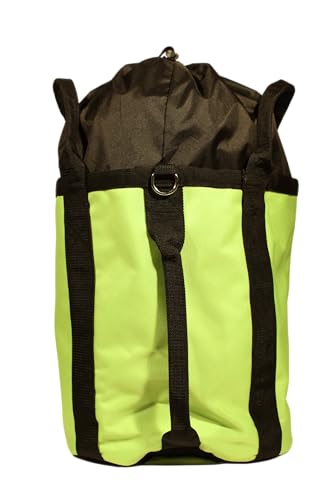
RNA Mountain Ape Heavy-Duty Bull Rope Storage Bag

RNA Plain Jane II Rope Bag

EDELRID Liner Rope Bag

Notch 450 Rope Bag

Forester Large Arborist Rope Bag
The Picks, Examined More Closely
The RNA Mountain Ape is the bruiser of the group, aimed squarely at people who carry long ropes and don’t want to baby their kit. Its self-standing wide-mouth opening is the headline trait, holding its shape on slickrock or sand so you can flake a rope straight in without a second pair of hands.
Capacity lands at roughly 200 feet of 3/4-inch line in a 17-inch-tall, 13-inch-diameter body, and the double-reinforced bottom takes the abuse of repeated drops onto granite. Compared with the plain bucket-style Plain Jane II below, this one trades featherweight simplicity for a structured shape that pays off on long rappels where rope management matters.
The Case For It
- Self-standing design keeps the mouth open while you load wet rope after a swim section.
- 200 ft capacity handles most single-rope canyon descents without an overflow bag.
- Double-reinforced base shrugs off the rocky landings common in slot canyons.
- Dual bar-tacked handles give a solid grip for hauling up steep, brushy pitches.
- Structured shape doubles as a staging bucket at the rappel anchor.
Things To Weigh Up
- Heavier than tarp-style bags like the EDELRID Liner, so it adds pack weight on long approaches.
- Bulkier profile can be awkward to wedge into a full backpack alongside a harness and wetsuit.
Made For
Canyoneers running 60 to 200 meter rappels who want a structured, heavy-duty hauler that stands up on its own.
Swap It Out When
The EDELRID Liner Rope Bag suits alpine-style canyons where every gram counts and you only need a basic stuff sack.
Where the Mountain Ape is a hauling tank, the RNA Plain Jane II is the no-fuss workhorse. The bucket-style body with black drawstrings flops over a shoulder, swallows a rope in seconds, and doesn’t overthink the job, which is exactly what you want on shorter canyons with quick rappels.
The wide profile makes stuffing a wet line painless, and the simple construction means fewer seams to fail after a season of grit and mud. Compared with the structured Mountain Ape above, this bag collapses flat for stuffing into a pack, then pops back open at the rim of the first drop.
Benefits That Matter
- Bucket-style shape is fast to load after swim sections or storms.
- Drawstring closure keeps the rope contained during the hike out.
- Lightweight profile is friendly on long, hot approaches with water carries.
- Affordable enough to dedicate as a wet-line bag without worry.
Room For Improvement
- Capacity is smaller than the Mountain Ape, so longer ropes may not fit cleanly.
- No rigid base or stand, meaning it tips on uneven ledges while you flake.
- Thin material is the trade-off for the lighter carry and will wear faster on rough rock.
Perfect Match For
Beginner canyoneers and budget-conscious climbers who run shorter lines and want a straightforward pack-and-go bag.
Look Elsewhere When
The Notch 450 Rope Bag is a smarter choice if you’re carrying full kit on long approaches and want padded backpack straps.
The EDELRID Liner is the minimalist’s answer to the canyoneering rope bag question, basically a tarp that does one job well. It stuffs down small enough to live at the bottom of a pack, then opens wide enough to flake a rope without tangles.
There’s no structured rim, no rigid base, no padded straps, which is precisely the point. For technical, high-alpine canyons where ounces matter and you rarely set the bag down, it earns its place. Compare that to the Plain Jane II above: less bucket, more blanket, and lighter in the haul.
Real-World Strengths
- Packs down to almost nothing when empty, freeing space for rack and rescue kit.
- Lightweight construction keeps the approach quick on long trails.
- EDELRID’s climbing pedigree suggests solid stitching for the price.
- Tarp shape makes it easy to flake rope in long loops rather than coils.
Honest Caveats
- No stand or structure, so it drags on the ground when set down on dirt or sand.
- Limited capacity compared with bucket-style bags like the Notch 450.
- Carrying comfort is minimal since it’s really a sack, not a pack.
Who Should Grab It
Light-and-fast canyon travelers tackling single-pitch descents where pack weight and bulk matter more than comfort.
Reach For A Different Pick When
The Forester Large Arborist Rope Bag is a better bet for anyone who needs heavy-duty handles and a cinch top for hauling loads.
The Notch 450 is the biggest bag in the lineup at 35 liters, designed for working pros who haul serious rope into the field. Padded backpack straps make a real difference on long hike-ins, and the new shroud reportedly helps flake rope faster and cleaner.
Notch built this one by upsizing their popular 250, so it carries the same DNA in a bigger body. The black and teal colorway helps it stand out in a gear pile at the trailhead, and the extra volume swallows a full rope plus harness, shoes, and a small first-aid kit.
Notable Upsides
- 35L capacity handles long ropes with room for harness and wet shoes.
- Padded backpack straps cut shoulder fatigue on hour-long approaches.
- Flake shroud speeds up coiling at the anchor, a real time-saver on multi-pitch canyons.
- Larger footprint acts as a clean staging tarp at the lip of a rappel.
Points To Keep In Mind
- Bigger than most canyons demand, so it can feel oversized on short half-day outings.
- Higher price tag than the Plain Jane II, which may push it out of reach for casual weekend trips.
Quick Facts
Best Suited To
Canyoneers logging long approaches with full rope, harness, and rescue kit who want a comfortable carry.
Consider Something Else When
The RNA Plain Jane II is plenty for anyone running shorter canyons who doesn’t need padded straps or 35 liters of volume.
The Forester Large Arborist Rope Bag leans into its tree-care roots, but canyon travelers get a lot out of the same design. The cinch top pulls tight to keep rope contained during the hike, and the heavy-duty handles are built to take a real load.
It’s a crossover pick, equally at home under a worker’s bridge or on a rappel line. Compared with the structured Mountain Ape, the Forester skips the self-standing rim and trades it for simpler cinch-and-go convenience, which some folks actually prefer.
Well-Handled Touches
- Cinch top secures rope during bumpy, brushy approaches.
- Heavy-duty handles make hauling easier on steep pulls.
- Spacious interior fits a full rope plus accessory gear in one place.
- Sturdy construction handles the grit and abrasion common in canyons.
Potential Drawbacks
- No self-standing design, so the bag slumps when set on uneven ground.
- Arborist styling is functional but not as sleek as climbing-specific bags.
- Limited carrying system compared with the padded-strap Notch 450.
Whose Shelf It Belongs On
Canyoneers who double as climbers or arborists and want one bag that handles hauling duty across multiple disciplines.
Where Another Pick Suits Better
The RNA Mountain Ape is the smarter call for canyon purists who want a self-standing rim for staging at the anchor.
What To Know Before Picking A Canyoneering Rope Bag
Capacity drives most buying decisions. A 200-foot static line barely fits in a 30-liter bag, so match the bag’s volume to your rope length plus a few liters of buffer for wet rope, which is heavier and bulkier than dry.
Construction matters more than color. Look for reinforced bottoms and bar-tacked handles, since canyon bags get dropped on rock and dragged up chimneys. Taped seams and coated fabrics resist the grit and moisture that wear through lighter materials.
Carry style depends on approach distance. A bucket with a single shoulder strap works for short, steep entries. For hikes longer than a mile or two, padded backpack straps pay back the extra ounces by saving your shoulders.
Drainage and cleaning get overlooked. Canyons mean water, mud, and sand, so a bag that can be rinsed out and hung to dry lasts more seasons. Avoid bags with closed-cell foam in the base, since that holds moisture and mildews fast.
Smart Choices Across This Lineup
Where Shoppers Go Wrong
The most common slip is buying a bag too small for the rope plus accessories. Once a wet rope shrinks into a tight wad, the bag becomes useless, and you’re stuffing coils into a backpack pocket. Build in headroom.
Another mistake is ignoring the carry system. A great rope bag that digs into your shoulder on a two-mile approach gets left at home. Test the strap layout in a store and imagine it loaded with 15 pounds of rope and water weight.
When Paying More Pays Off
Premium bags earn their higher cost through reinforced bases, better fabrics, and smarter carry systems. The upgrade shows up after a season of use, when cheap stitching unravels and tarp material abrades through.
For canyon travelers logging multi-day trips or long approaches, the upgrade to a structured, padded-strap bag like the Notch 450 pays back in comfort and durability. For short, occasional descents, a budget bucket like the Plain Jane II delivers more than enough function without overpaying.
Frequently Asked Questions
How big should a canyoneering rope bag be?
Match the bag’s stated capacity to your rope length, then add roughly 20% extra volume for wet rope and accessories like slings, carabiners, and a small first-aid kit.
Do I need a tarp or a bucket style?
Bucket-style bags stand on their own and stage rope neatly at the rappel anchor, while tarp-style bags pack smaller and weigh less for long approaches where you’ll rarely set the bag down.
Can I use an arborist rope bag for canyoneering?
Yes, since arborist bags are built tough enough for hauling, with cinch tops and reinforced handles that translate well to canyon travel, though they usually lack a stand or padded straps.
How do I clean and dry a canyoneering rope bag?
Rinse out mud and sand with fresh water, hang the bag open in shade to dry, and avoid machine washing since agitation can damage coatings and stitching.
What’s the difference between a rope bag and a rope tarp?
A rope tarp is a flat sheet you flake rope onto, then stuff into a pack, while a rope bag is a closed container that holds the rope and can be carried separately, offering better organization and protection from grit.
Final Verdict
The right canyoneering rope bag comes down to your typical route: structured haulers like the RNA Mountain Ape for long, technical descents, padded-strap options like the Notch 450 for grueling approaches, and simple buckets or tarps when the canyon is short and sweet. Match the bag to your longest rope and longest hike, and the rest sorts itself out on the rope pad.