
Clean water doesn’t always come from a tap. On trail days and road trips, a good filter bottle turns questionable streams, sketchy bathroom sinks, and rusty camp spigots into something safe to drink. The category has matured into two distinct formats: lightweight straws you sip straight through, and insulated bottles with built-in cartridges for daily carry. Both have a place, and the right call depends on how you actually move through the outdoors.
The Leading Options At A Glance
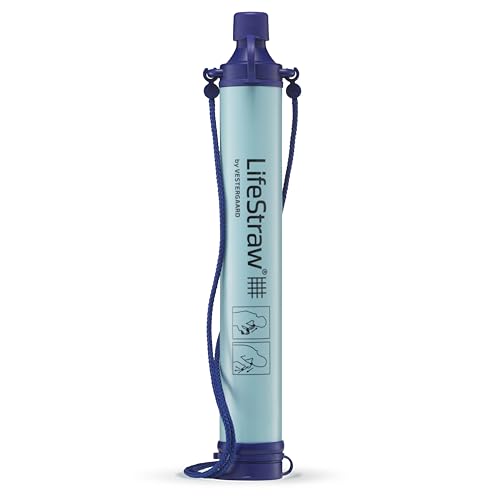
LifeStraw Personal Water Filter for Hiking, Travel and Emergency

LifeStraw Peak Series Personal Water Filter Straw

LifeStraw Go Series Insulated Steel Water Filter Bottle, 1L

Brita Water Bottle Replacement Filters, 3-Pack

LifeStraw Go Series Water Bottle 22 oz, 2-Pack

LifeStraw Go Series Water Filter Bottle, 1L Aegean Sea
What Each Pick Brings To The Table
The straw that put the category on the map. You drink straight from the source, no pumping or squeezing required, which makes it a natural companion on long trail days when stopping to fiddle with hardware kills your rhythm. Ultralight packers tuck it into a hipbelt pocket, and emergency planners often stash one alongside a headlamp and fire starter as a low-fuss insurance policy.
It isn’t meant to filter large volumes into a reservoir. The whole point is sipping on demand from streams and questionable taps, which keeps the form factor tiny and the learning curve near zero. If you tend to filter a bottle or two at camp rather than treating your entire water supply, this matches that style well.
Notable Upsides
- Tiny and packable, so it slips into pocket, pack lid, or emergency kit without a fight
- Targets bacteria, parasites, microplastics, and visible cloudiness in one pass
- No moving parts, no setup, no batteries; sip and walk
- Pulls double duty as a backup filter when a pump or purifier fails on longer trips
Things To Consider
- Sipping straight from a stream takes some getting used to if you prefer pouring into a cup first
- Slower flow rates tend to show up as the cartridge ages and clog from sediment-heavy water
- Not a vessel; you still need a bottle or pot to store filtered water for cooking
Who It Suits Best
Backpackers running light, solo travelers building a minimalist emergency kit, and anyone who wants a no-movement filter for trail-side sipping.
Where Another Pick Suits Better
Commuters and road-trippers who want to fill, carry, and sip throughout the day will find the LifeStraw Go Series Insulated Steel Water Filter Bottle a better carry.
Think of this as the original LifeStraw with the ergonomics cleaned up. The Peak Series keeps the straw-style format but updates the grip and flow, so drinking feels less like pulling through a cocktail straw and more like a steady sip. It still weighs almost nothing in a pack and asks for no setup, which is exactly the point when you want a frictionless backup or a survival-grade primary.
Compared to the classic LifeStraw in Pick 1, this version leans into better hand-feel and easier maintenance. The trade-off is that it still doesn’t store water; it’s a tool for drinking in the moment. For preppers building a go-bag, that distinction is a feature, not a flaw.
Everyday Wins
- Improved grip shape makes longer drinking sessions more comfortable
- Faster flow rate reduces the “hard pull” feel common in straw filters
- Still ultralight with no extra parts to track in a pack or kit
- BPA-free construction throughout the body and mouthpiece
Honest Caveats
- Limited capacity per minute; group cooking or filling multiple bottles slows you down
- Silt-heavy sources tend to shorten cartridge life without a pre-filter step
- The darker colorway can be harder to spot if you set it down in camp
Right Fit For
Through-hikers, ultralight packers, and emergency-prep households who want a refined straw-style filter over the classic version.
Swap It Out When
If you’d rather fill a bottle and drink on the go, the LifeStraw Go Series Water Filter Bottle (1L Aegean Sea) handles that job with a standard bottle format.
This is the bottle you throw in the car or the work bag. The stainless steel body and double-wall insulation (a two-layer construction that traps air between walls to slow heat transfer) keep water cool on hot commutes, while the integrated cartridge turns airport bathrooms, gas-station taps, and questionable hostel sinks into drinkable water. It pulls double duty as a reusable bottle and a treatment tool, so you stop buying plastic on the road.
The 1-liter capacity suits people who drink steadily through the day rather than gulping at once. It weighs more than a plastic bottle, which backpackers should weigh against their kit, but for drivers and desk workers that heft reads as durability, not burden. The finish commonly shows fingerprints, so a quick wipe keeps it office-presentable.
Useful Highlights
- Double-wall steel keeps water cooler in summer and warmer in winter
- BPA-free throughout, with no plastic liner touching your water
- Two-stage cartridge targets bacteria, parasites, microplastics, chlorine, and cloudiness in one fill
- Wide-mouth opening simplifies ice cubes, fruit slices, and thorough cleaning
Points To Keep In Mind
- Heavier than plastic bottles, which matters more on long trail days than car commutes
- Steel exterior commonly shows smudges without a quick wipe
- Replacement cartridges add an ongoing cost worth budgeting for
Feature Card
Best Suited To
Daily commuters, road-trippers, and travelers who want a sturdy reusable bottle that filters as it pours.
Not Your Match When
Weight-counting backpackers running multi-day routes should reach for the LifeStraw Peak Series straw instead.
This isn’t a bottle; it’s the refill you buy when you already own a Brita filtering bottle and the cartridge has run its course. A three-pack spreads out the maintenance cycle, so you’re not scrambling for a replacement the morning your water starts tasting flat again. For households that filter tap water daily, that predictability matters more than people expect.
The activated carbon core (a porous carbon material that traps chlorine and certain chemicals through adsorption) targets the taste and odor issues that come from municipal treatment, rather than biological threats from backcountry sources. If your bottle mostly sees kitchen taps and hotel sinks, that focus lands well. If you head into the wild, pair your expectations accordingly.
Advantages To Know
- Three-pack format means roughly six months of filtered water for one user
- BPA-free materials keep the cartridge itself safe for repeated hydration
- Designed as a drop-in replacement, so swap time stays under a minute
- Targets chlorine taste and odor, the most common complaint with tap water
Trade-Offs To Consider
- Only fits Brita bottle systems, so it’s a non-starter if you run LifeStraw or another brand
- Focuses on taste and particulates rather than wilderness-grade biological filtration
- Replacement timing varies with daily use, so heavy drinkers may go through them faster
Feature Card
Whose Shelf It Belongs On
Brita bottle owners who filter tap and hotel water daily and want a multi-month supply of replacement cartridges on hand.
Consider Something Else When
Backcountry campers filtering lake and stream water need the LifeStraw Personal Water Filter, which handles biological threats Brita cartridges aren’t built for.
Two bottles, one purchase, fewer arguments over whose turn it is to refill. The 22-ounce format lands in that Goldilocks zone: large enough for a workout or a half-day at the office, small enough to toss in a gym bag or cup holder. Couples, roommates, and parent-teen duos tend to gravitate here because the cost-per-bottle drops nicely versus buying singles.
The plastic body keeps weight low and shrug-off knocks from backpack floors and car seats. Unlike the insulated steel option in Pick 3, these don’t fight heat as hard, so on a hot summer drive you may want to refill more often. The same two-stage cartridge handles biological and particulate concerns, so each bottle pulls real filtering duty rather than being a passive carry.
Notable Gains
- Two-bottle bundle lowers the cost per vessel for shared households
- BPA-free plastic construction keeps weight down and shrugs off daily knocks
- Two-stage filter targets bacteria, parasites, microplastics, chlorine, and cloudiness
- 22 oz size suits gym bags, daypacks, and car cup holders without a fight
Worth Noting
- Plastic body doesn’t insulate, so water warms up faster on hot days
- Two cartridges means two replacement cycles to track on the calendar
- Smaller capacity means more refills during long work shifts or extended drives
Perfect Match For
Couples, roommates, and parent-child pairs who want matched filtering bottles without buying separately.
A Better Fit Elsewhere
Solo all-day carriers who want fewer refills and cooler sips should look at the LifeStraw Go Series Insulated Steel Water Filter Bottle instead.
The standard-bearer of the LifeStraw bottle family. This is the version most people picture when they think “filter bottle”: a BPA-free vessel with a built-in cartridge, a flip-top lid, and the kind of everyday carry weight that disappears in a backpack or tote. Travelers who hop between airports and hostels reach for it because it handles a wide range of tap qualities without ceremony.
It’s a quieter alternative to the insulated steel bottle in Pick 3, trading temperature control for lower weight and a friendlier price. For people who filter primarily for safety and taste rather than thermal performance, that’s an honest trade. The cartridge replacement cycle is the same family, so swapping in a new one keeps flow rates steady.
The Case For It
- BPA-free build throughout the body and lid keeps hydration worry-free
- Two-stage filter targets bacteria, parasites, microplastics, chlorine, and cloudiness in one fill
- Standard 1L capacity covers most workdays and long drives between refills
- Fits the same LifeStraw Go cartridge family, so replacements are easy to find
Possible Compromises
- Plastic body doesn’t insulate, so water warms up on hot days or sits cold in winter
- Lighter build may dent or scuff under rougher backpack abuse
- Cartridge lifespan shortens when fed silt-heavy sources without a pre-filter step
Who Should Grab It
Travelers, commuters, and casual campers who want one bottle that handles airports, hotels, and questionable taps without a fuss.
Look Elsewhere When
Backpackers running warm-weather routes who want cold water all afternoon should pick the insulated steel bottle in Pick 3 instead.
Matching A Filter Bottle To Your Routine
Think about how water actually enters your day before you pick a format. Backpackers pulling from streams need a straw or gravity setup, not a vessel that demands clean tap water. Commuters who fill at office sinks need a bottle with a cartridge that handles chlorine and particulates, not a straw meant for backcountry sources. Travelers bouncing between countries want a vessel that’s safe across unfamiliar tap systems without overthinking each refill.
Capacity is the second honest question. A 22-ounce bottle feels light but disappears fast during long shifts. A 1-liter bottle adds heft but cuts down on the refills that interrupt your day. Insulation matters more than people expect when bottles sit in hot cars or on summer desks; steel earns its weight there, plastic earns it on the trail.
Maintenance is the unglamorous third pillar. Straw-style filters need backflushing (forcing water backward through the filter to clear trapped sediment) once flow drops. Bottle-style cartridges have a fixed life and swap out cleanly when they expire. Budget for replacements from the start, because a filter that tastes off halfway through a trip is one nobody wants to finish.
Cartridge compatibility ties it all together. If you already own a Brita bottle, buying that brand’s replacement filters is a no-brainer. If you’re starting fresh, the LifeStraw Go family shares cartridges across plastic and steel bodies, so you can switch bottles later without re-buying the consumable.
Field Notes For Picking Wisely
Pitfalls Shoppers Hit
The most common stumble is treating any “filter bottle” as a catch-all for every water source. Straw filters shine on streams but add nothing when you’re just trying to fix chlorine-heavy tap water. The reverse is also true: tap-focused cartridges won’t address biological threats from a lake. Matching the filter’s job to the water you actually drink matters more than brand loyalty.
The second misstep is ignoring replacement costs. A bottle is a one-time buy; the cartridge is the ongoing spend. People who skip this line item sometimes find themselves with a bottle they stop using because replacement parts feel inconvenient or expensive. Buying a multi-pack early, like the Brita three-filter set in Pick 4, smooths that cycle out.
Where The Extra Money Goes
Premium pricing in this category shows up in three places: body materials, cartridge complexity, and insulation. Stainless steel costs more than plastic but adds durability and temperature control. Multi-stage cartridges (filters that pass water through several different media, each targeting different contaminants) cost more than single-stage designs but address chlorine, cloudiness, and biological concerns together. Insulation adds weight but pays off on hot commutes and warm-weather road trips.
You pay more when you want one bottle that handles more situations, not when you want a single-purpose tool built better. For backpackers who already filter with a pump, a cheap straw backup often beats a premium bottle. For daily carriers who want one vessel for everything, the upgrade is worth it.
Frequently Asked Questions
How often does a filter bottle cartridge need replacing?
Cartridge life depends on how much water you filter and how dirty that water tends to be. Most manufacturers rate replacements in gallons rather than weeks, so heavy drinkers cycle through faster than casual users. A noticeable drop in flow rate or a return of off-tastes usually signals it’s time.
Can filter bottles handle backcountry stream water?
Straw-style filters and LifeStraw Go bottles are designed for that scenario. They target bacteria, parasites, and microplastics that show up in untreated streams and lakes. Basic taste-and-odor cartridges, like those in the Brita pack, focus on tap water concerns and aren’t a substitute for wilderness filtration.
Are filter bottles safe for international travel?
Yes, for most travelers. They handle the variable tap quality you find in many destinations, including older plumbing and unfamiliar treatment systems. Pack a backup cartridge for long trips so you’re not stuck if the first one runs out mid-journey.
Do insulated steel bottles keep water cold longer than plastic?
Generally yes. Double-wall construction slows heat transfer, so water stays cool longer in steel than in single-wall plastic. The trade-off is added weight, which matters more for backpackers than commuters.
Can I use a filter bottle with hot water or tea?
Most filtration cartridges are designed for cold or room-temperature water. Hot liquids can damage the filter media and warp seals. If you want hot drinks on the road, pair your filter bottle with a separate insulated vessel for tea or coffee.
Closing Remarks
The right camping water filter bottle depends less on specs and more on the water you actually drink. Backcountry travelers and emergency planners reach for straw formats; daily commuters and road-trippers get more use from built-in bottle cartridges. Once you know your routine, the choice between plastic and steel, single and multi-pack, fresh filter and replacement refill becomes a lot simpler. Pick the format that matches your water, then stock the replacement cartridges so the system keeps working long after the first fill.