
A good two-person shelter earns its place the first time the sky turns ugly at 2 a.m. The right tent keeps weight down on the trail, sets up fast after a long drive, and stays dry when the rain doesn’t quit. This roundup looks at six waterproof tents that handle different outdoor personalities, from ultralight backpackers to car campers who want standing room. Each pick is matched to the kind of camping you actually do, with honest trade-offs called out along the way.
The Picks In Brief

ALPS Mountaineering Lynx 2-Person Tent

ALPS Mountaineering Zephyr 2-Person Tent

Naturehike Village Instant Cabin Tent
Naturehike Cape Instant Pop-Up Tent
Naturehike KOTA Double-Layer Tent
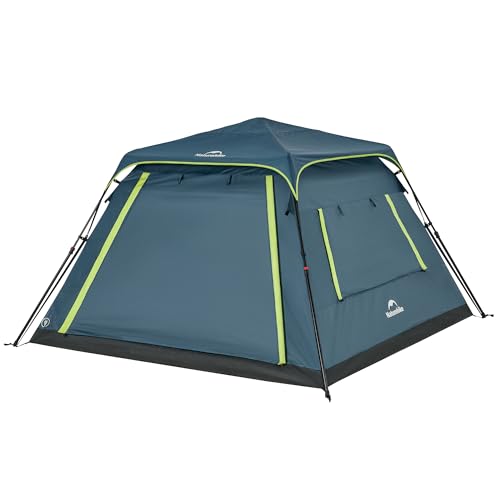
Naturehike Cape Lite Instant Cabin
What Each Pick Brings To The Table
The Lynx is the kind of tent that disappears in your pack and reappears as shelter when you need it. Two aluminum poles keep weight honest, which matters when every ounce counts on a multi-day route. Mesh walls on both sides let air move through on warm nights, while the rainfly handles the standard mountain downpour.
For backpackers stepping up from entry-level gear, this hits a comfortable middle ground. You’ll get a familiar dome shape with pole clips (the small fabric loops that grip the poles without sleeves) that speed setup after a long day. Compared to bulkier car-camping options later in this list, the Lynx trades lounging space for trail-friendly dimensions.
Practical Pluses
- Aluminum poles cut pack weight versus fiberglass alternatives.
- Mesh on both walls keeps condensation under control in mild weather.
- Two-pole rectangular dome design pitches quickly even in fading light.
- Freestanding (able to stand without stakes) layout works on rocky or hard-packed ground where staking is tricky.
Things To Consider
- Two-person floor space feels snug for two adults plus a dog or full kit.
- Lightweight fabrics require careful handling around pine needles and rough granite.
Who It Suits Best
Backpackers heading into three-season terrain who want a reliable, affordable shelter without hauling fiberglass poles uphill.
Where Another Pick Suits Better
Drivers setting up a basecamp should look at the Naturehike Village Instant Cabin Tent, which trades backpack-friendly weight for standing-room comfort.
Where the Lynx is a balanced trail companion, the Zephyr leans fully into ventilation. Pre-bent aluminum poles create steeper walls, opening up usable floor area and giving you room to sit up without pressing your forehead against the fabric. The all-mesh build turns the interior into a breeze tunnel on muggy nights.
This tent suits campers heading into humid river valleys or southern summers where still air turns a shelter into a sauna. Without the rainfly, you get a stargazer’s net; with it, you’ve got a covered shelter in a passing storm. Owners commonly report that the steeper walls also help rain run off instead of pooling.
Notable Upsides
- Full mesh walls maximize airflow in sticky, warm conditions.
- Pre-bent poles add interior height compared to the Lynx’s flatter dome.
- Polyester construction handles UV exposure on sunny trips.
- Lay it out mesh-only for clear-sky evenings and bug protection combined.
Trade Offs
- Mesh-first design means colder nights require careful layering inside.
- Pole geometry is slightly fussier for first-time setup than basic dome frames.
Made For
Warm-weather campers and hammock-curious backpackers who value airflow above all else.
Reach For A Different Pick When
Cold-weather travelers should consider the Naturehike KOTA Double-Layer Tent, which adds a full inner for insulation.
The shift from backpack tents to car-camping territory starts here. Pre-attached poles and a pop-up structure mean the Village goes from bag to standing in roughly a minute, which is a real gift after a five-hour drive. The cabin shape gives you near-vertical walls and proper standing room, so changing clothes no longer involves crouching.
The 150D Ti Black Technology fabric and PU 2000mm+ coating (a polyurethane layer that resists 2000mm of water pressure before leaking) handle sustained rain without drama. If you’re hosting friends for a first-time camping trip, this is the tent that keeps everyone dry and smiling.
Where It Delivers
- Pitches in about sixty seconds, even for first-time campers.
- Cabin walls allow adults to stand and move around comfortably.
- Full rainfly coverage protects gear stored in the vestibule area.
- Heavy-duty fabric resists punctures from twigs and gravel pads.
Honest Caveats
- Packed size and weight rule out any serious backpacking use.
- Larger footprint demands a flat, roomy campsite or driveway space.
The Right Fit
Car campers, families, and weekend festival-goers who value fast setup over low pack weight.
Swap It Out When
Backcountry travelers will find the Naturehike Cape Lite Instant Cabin a more compact alternative for short overnight trips.
The Cape takes the instant-pitch idea and stretches it into a tunnel layout with serious volume. Pre-attached poles telescope out so the tent unfolds in under a minute, and the resulting floor plan fits sleeping pads, a small table, and a dog crate without crowding. It’s a favorite for couples who treat the tent as a small living room.
PU 3000mm-rated construction (the fabric can withstand a 3000mm water column before seepage) handles harsher storms than some entry-level rainflies, which matters when forecasts turn sour overnight. Owners note that the taller profile catches more wind, so staking every guy line pays off on exposed sites.
Everyday Wins
- Tunnel shape opens up gear storage and movement inside.
- Sixty-second pitch makes late arrivals less stressful.
- Waterproof rating above common two-person tents.
- Multiple size options scale from couples to small families.
Points To Keep In Mind
- Tunnel designs rely on staking; hard surfaces like parking lots need creative anchoring.
- Larger packed size means trunk space matters.
Best Suited To
Pairs of campers who want genuine livable space and aren’t carrying their shelter on foot.
A Better Fit Elsewhere
Backcountry hikers should compare this to the ALPS Mountaineering Lynx 2-Person Tent for a much lighter pack.
The KOTA earns its spot as the most adaptable shelter on this list. It’s a double-layer design, meaning a separate inner mesh tent and outer rainfly work together or independently. On summer nights, pitch the mesh inner alone for stargazing through the roof. During shoulder seasons, the rainfly adds a 3000mm-rated waterproof shell.
The 75D 210T polyester fabric (a medium-weight, tightly woven polyester that balances durability and weight) holds up to repeated seasonal use without falling apart. Vestibules extend covered storage along each side, keeping boots and packs out of the rain. For shoppers who camp in spring snow one month and desert heat the next, this is the modular answer.
The Practical Payoff
- Inner tent and rainfly each function as standalone shelters.
- High waterproof rating handles heavy precipitation events.
- Vestibule porches create protected cooking and gear space.
- Mesh inner promotes airflow on warm nights without exposing you to bugs.
Some Limits To Know
- Two-piece pitching takes longer than single-shell instant tents.
- Bulkier packed size than minimalist three-season options.
Who Should Grab It
Year-round campers and shoulder-season travelers who want one tent that adapts across conditions.
Consider Something Else When
Strict summer-only campers will find the simpler Naturehike Cape Lite Instant Cabin easier to live with.
The Cape Lite trims the bulk from the larger Cape model while keeping the instant-pitch convenience. Cabin walls make the most of a 101.5 x 101.5 inch floor, which fits a queen mattress with room for bags, and a 62.2-inch peak height lets most adults kneel or crouch without ducking.
This is the pick for weekend warriors who want hassle-free shelter without hauling full-size cabin gear. Setup still takes about sixty seconds, and the simplified pole structure reduces the number of pieces you can lose in the grass. If the bigger Naturehike tents feel like overkill, this hits a more manageable middle.
Notable Gains
- Compact cabin footprint suits smaller campsites and backyards.
- Queen mattress compatibility with no awkward overhang.
- Instant-pitch system keeps arrival-day stress low.
- Family-friendly layout for couples with a child or pet.
Soft Spots
- Lower peak height than full-size cabin alternatives.
- Storage bag can run tight as the tent is folded back in.
Whose Shelf It Belongs On
Casual campers and short-trip car campers who want cabin comfort without committing to a larger footprint.
Look Elsewhere When
Backpackers needing real trail weight savings should turn to the ALPS Mountaineering Zephyr 2-Person Tent instead.
Choosing Waterproof Protection That Matches Your Trips
The best tent is the one that fits how you actually camp, not the one with the longest spec sheet. Start with the use case: if you’re hiking miles each day, every ounce matters, and a two-pole aluminum dome like the ALPS Lynx keeps pack weight reasonable. Car campers and families benefit more from standing height and fast setup, which is where the Naturehike instant cabin models shine.
Waterproofing ratings deserve a closer look. The PU 2000mm and PU 3000mm coatings (polyurethane waterproof layers measured by how many millimeters of water pressure the fabric resists) you see on these tents handle anything short of a flood, but a higher number means more headroom in prolonged storms. A double-layer design like the KOTA adds redundancy by keeping the inner mesh dry even if the outer fly takes abuse.
Ventilation runs a close second to weatherproofing. Mesh walls move air on humid nights and cut down on the condensation that soaks sleeping bags by morning. If your trips lean toward hot climates, prioritize mesh, even if it means sacrificing some cold-weather versatility.
Finally, think about the pitch. Instant pop-up tents reward people who arrive late or camp with kids, while traditional pole designs reward those who appreciate smaller packed sizes. Whichever path you take, match the tent to the trip and the weather you actually expect.
Smart Choices That Shape Your Shelter
Mistakes Worth Dodging
Choosing by capacity alone leads to disappointment. A “two-person” tent technically fits two sleeping pads, but real-world comfort usually means two adults plus gear, which is why many couples upgrade to a four-person cabin. Weather ratings also get misread: a PU 1000mm fly handles drizzle, but sustained mountain rain calls for PU 2000mm or higher.
What The Higher Tier Buys
Stepping up to a double-layer or premium-coated rainfly typically pays off in two ways: longer fabric lifespan under UV exposure, and a second line of defense if the outer fly takes damage mid-trip. You also tend to get better zippers, reinforced seams, and sturdier pole materials, all of which show up after a few seasons of use rather than on day one.
Frequently Asked Questions
How waterproof is waterproof for a tent?
A PU 2000mm rating means the fabric withstands a 2000mm column of water pressure before leaking, which handles most storms. Higher ratings offer more margin in extreme or prolonged rain.
Can a two-person tent really fit two adults?
Technically yes, but it fits two sleeping pads snugly. Most couples find a three- or four-person tent more comfortable for two adults plus gear, especially on trips longer than a weekend.
Are instant pop-up tents less durable?
Not necessarily, but their pre-attached poles and heavier fabric make them bulkier to transport. For car camping that’s a fair trade, but backpackers usually prefer traditional pole designs.
What’s the benefit of a double-layer tent?
The inner mesh and outer rainfly work together to manage condensation and add weather redundancy. On clear nights, the mesh alone offers stargazing with bug protection.
Do I need a footprint under my tent?
A footprint (a custom ground tarp placed beneath your tent) extends floor fabric life and adds moisture protection on wet ground, but it adds weight and bulk. Most campers skip it for casual trips.
Final Verdict
The right shelter depends entirely on where you’re going and how you get there. Backpackers chasing long trails should look first at the ALPS Mountaineering Lynx or Zephyr, while car campers and families will get more value out of the Naturehike instant cabin options. Match the tent to your trips, not to a checklist, and dry nights follow naturally.