
Choosing a tent for two feels easy until you actually carry one up a hill. Weight, weather resistance, livable space, and setup speed all fight for your attention, and the wrong call leaves you soaked, cramped, or exhausted before the trail even gets interesting. The picks below focus on the situations backpackers and weekend campers actually face, from long-distance trekking to quick car-camping getaways, so you can match the right shelter to the way you really travel.
The Leading Options At A Glance

OneTigris COSMITTO 2 Person Backpacking Tent Shelter

Naturehike Village Instant Cabin Tent
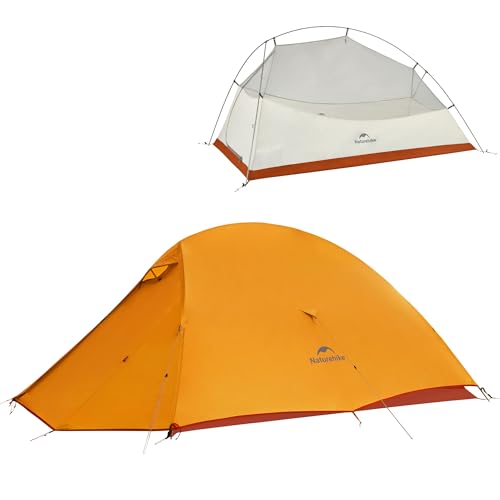
Naturehike Cloud-Up 2 Person Backpacking Tent
Naturehike Cape Instant Family Tent
Naturehike KOTA Double Layer Camping Tent
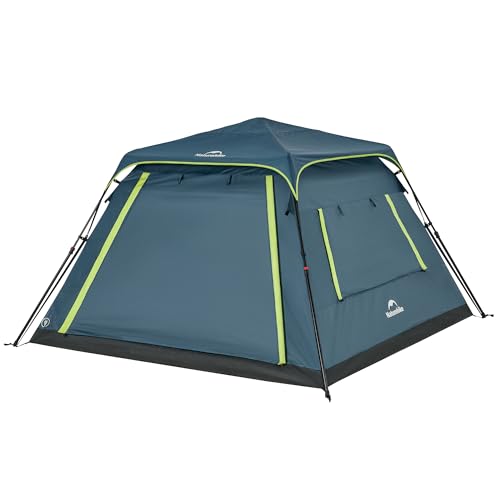
Naturehike Cape Lite Instant Cabin Tent
What Each Pick Brings To The Table
Built for backpackers who count grams and still want real weather protection, the OneTigris COSMITTO 2 Person Backpacking Tent Shelter uses a 20D ripstop polyester canopy paired with a 75D nylon floor, a combination that trims pack weight without making the fabric feel fragile. The freestanding design, meaning the pole structure holds shape on its own before you stake out, lets you reposition the shelter on rocky or root-covered ground without dismantling it, which is a small comfort on a tired evening. Compared to the cabin-style picks below, it trades standing height and roominess for a much smaller footprint in your pack.
The single-pole geometry feels minimalist on paper, though in practice you get a tidy sleeping area for two plus a small vestibule for boots and packs. You may find the interior snug if you and your partner both bring wide pads, but that compromise is the trade for a sub-2 kg carry. It pitches fast once you learn the trick of crossing the pole through the canopy sleeve, and the included footprint adds a layer of protection between the floor and whatever grit is underneath.
Notable Upsides
- Low pack weight makes it a strong match for multi-day routes where every kilogram matters.
- Freestanding structure lets you reposition the tent before staking in uneven terrain.
- Includes a footprint, extending the life of the floor on rough ground.
- Ripstop canopy handles drizzle and light wind without ballooning weight in your pack.
- Compact packed size fits inside larger backpacks without forcing you to strap the tent outside.
Things To Consider
- Single-wall-leaning design can trap condensation in humid or still-air conditions.
- Interior dimensions feel tight for two adults carrying wide sleeping pads.
- Lightweight pole hardware is more prone to fatigue over time than heavier aluminum seen on the Naturehike Cloud-Up.
Best Suited To
Thru-hikers and lightweight backpackers tackling three-season routes where carry weight, not standing room, drives the decision.
Look Elsewhere When
You regularly car camp and want easier setup, in which case the Naturehike Village Instant Cabin Tent fits the situation more naturally.
The Naturehike Village Instant Cabin Tent is the antithesis of the COSMITTO above. Instead of asking you to wrestle poles through sleeves, it relies on pre-attached telescoping poles that pop the cabin into shape, which is a relief on a rainy Friday evening when the kids have already melted into the back seat. Its 150D Ti Black fabric carries a UPF 1250+ rating, meaning it blocks a very high share of UV, and the PU 2000mm+ coating handles steady rain without leaking at the seams.
The cabin shape trades aerodynamic efficiency for usable interior volume, so you can actually stand to change clothes or move around without crouching. Two adults fit comfortably with gear, and stepping up to the 8-person variant opens up room for a family plus a dog crate. The honest read is that this is a car-camping tent, not a backpacking shelter, and the packed weight reflects that reality.
What It Does Well
- Pop-up frame design cuts setup to roughly a minute, useful after a long drive.
- High UPF fabric shields occupants from intense sun on exposed sites.
- Cabin-style walls give genuine standing room inside for adults.
- Multiple capacity options let you size the shelter to your group without changing brands.
Honest Caveats
- Bulk and weight make it unsuitable for any hike longer than a parking-lot carry.
- Pre-attached poles can develop sloppiness over time if repeatedly folded without care.
- Cabin shape catches wind more than low-profile trekking tents do.
Made For
Car campers, festival-goers, and families who set up once at a site and want standing-room comfort more than packability.
Swap It Out When
Your trips involve any meaningful walking from the car to camp, since the Naturehike Cloud-Up 2 Person Backpacking Tent handles that much more gracefully.
Stepping up to a true double-wall shelter, the Naturehike Cloud-Up 2 Person Backpacking Tent splits the canopy and rainfly into two layers, which means the inner mesh tent breathes while the outer fly sheds rain, dramatically reducing the condensation you might deal with inside the COSMITTO above. The fly uses 20D nylon with a 4000mm waterproof PU coating, where the millimeter rating measures how much water pressure the fabric can take before leaking, and the 7001 aluminum alloy poles hold a balance between strength and weight that trail-tested backpackers tend to appreciate.
It’s a freestanding design with two crossing poles, so pitch time stays reasonable even in wind, and the included footprint protects the bathtub floor from grit and pine needles. You will probably want a slightly larger pack than your tent’s minimum bag size to avoid forcing the compressed shelter into a tight roll. The honest read is that this is the most versatile pick for most three-season backpackers who want genuine weather protection without the bulk of a cabin tent.
Useful Touches
- Double-wall construction cuts down on interior condensation on cool, damp nights.
- 7001 aluminum poles are strong enough for gusty alpine conditions yet light on the trail.
- Freestanding geometry keeps pitch time short once you learn the routine.
- Mesh inner tent boosts airflow during warm shoulder-season trips.
- Footprint included, sparing you an extra purchase to protect the floor.
Worth Noting
- Packed size runs larger than the single-wall COSMITTO, demanding more pack discipline.
- Two-pole setup has a learning curve for first-time users during their initial pitches.
- Lightweight 20D fabric benefits from careful staking to avoid stress points in high wind.
Key Specs
Who Will Love This
Three-season backpackers carrying moderate loads who want reliable rain performance and real ventilation on humid nights.
A Better Fit Elsewhere
Family campers needing standing room should consider the Naturehike Cape Instant Family Tent instead, since the cabin format fits that use case better.
Stepping into bigger territory, the Naturehike Cape Instant Family Tent is designed around the same pre-attached-pole convenience as the Village model but in a tunnel-style cabin that maximizes interior square footage. You get options for 4, 6, or 8 person capacities, so the shelter can grow with your crew instead of being replaced. The 190T polyester canopy uses a waterproof coating rated for steady rain, and the tall walls let most adults stand comfortably.
Unlike the Cloud-Up above, this tent assumes you’ll park within a short walk of camp, since the packed weight and bulk rule out real backpacking. The 60-second setup pitch is genuine, though it helps to have one extra pair of hands for the larger sizes. You may find the lack of a vestibule limiting if you usually store gear outside the sleeping area, so plan on using the interior floor space for packs.
Useful Strengths
- Pre-attached poles let you go from bag to standing tent in roughly a minute.
- Multiple capacity sizes keep the same platform across changing family needs.
- Tall cabin walls give adults full standing room throughout most of the shelter.
- Polyester construction handles typical car-camping rain without fuss.
Trade Offs
- No dedicated vestibule means wet gear dries inside the living area.
- Packed weight rules out any meaningful carry from the parking area.
- Large footprint requires a flat, debris-free site for the simplest pitch.
Whose Shelf It Belongs On
Families and small groups car camping at developed sites who value space and quick setup over packability.
Consider Something Else When
You want four-season capability, since the Naturehike KOTA Double Layer Camping Tent is built for cooler conditions and heavier weather.
The Naturehike KOTA Double Layer Camping Tent sits in a different corner of the lineup, advertising four-season usability through a fully modular build. The 75D 210T polyester with waterproof 3000mm+ coating runs thicker than the 20D fabrics on the Cloud-Up, which translates to more abrasion resistance and better performance in colder, wetter conditions. The inner mesh tent stands on its own for warm nights, and the outer rainfly doubles as a canopy or shelter when you only need overhead cover.
It also comes in 4, 6, and 8 person sizes with vestibules and a porch area, so you have a covered transition zone for boots and cook gear. The honest read is that this tent weighs more than a pure three-season trekking shelter, but it gives you flexibility through the shoulder seasons when weather is unpredictable. You may find the heavier fabric and additional poles too much for summer alpine trips, where the Cloud-Up above would be a lighter carry.
Useful Highlights
- Modular layers let you pitch the mesh inner alone in warm weather for stargazing.
- 75D polyester feels sturdier than the ultralight fabrics on smaller trekking tents.
- Vestibules and porch extend usable space outside the sleeping area.
- Available in three capacities for different group sizes without changing brands.
Points To Keep In Mind
- Heavier construction limits this tent to short carries rather than long-distance trekking.
- More components mean more time spent pitching compared to single-shell designs.
- Larger sizes demand a spacious, level site for a clean setup.
Feature Snapshot
Right Fit For
Campers who travel through cool or wet shoulder periods and want one tent that flexes across seasons rather than buying multiple shelters.
Reach For A Different Pick When
Your main goal is a featherweight summer shelter, since the OneTigris COSMITTO 2 Person Backpacking Tent Shelter trims far more weight off your pack.
The Naturehike Cape Lite Instant Cabin Tent rounds out the lineup as a stripped-down, beginner-focused version of the Cape family. The pre-attached poles unfold in seconds rather than minutes, so first-timers don’t have to memorize a tricky pole sequence in fading daylight. Floor dimensions of roughly 101.5 by 101.5 inches fit a queen mattress comfortably, with a peak height around 62 inches that lets most campers kneel or sit upright without stooping.
Compared to the bigger Cape Instant Family Tent above, the Lite version shaves weight by simplifying the frame and trimming some fabric layers. You probably won’t get the same wind resistance as a full cabin on exposed ridgelines, so anchoring matters more than it does on the heavier models. The honest read is that this is the right tent for first-time family campers who want the lowest possible learning curve without giving up livable space.
Everyday Wins
- Pre-attached frame removes the steepest part of the learning curve for new campers.
- Queen-mattress footprint fits two adults plus a child without crowding.
- Lower packed weight than the full Cape model makes transport easier between car and site.
Minor Gripes
- Simplified frame is less rigid in steady wind than heavier cabin alternatives.
- Lightweight fabric requires more careful handling to avoid abrasion damage.
- Peak height still requires most adults to duck at the very top of the shelter.
Perfect Match For
First-time family campers who want a forgiving setup and don’t plan to push into rough weather.
Where Another Pick Suits Better
Backpackers should skip this entirely and pick up the Naturehike Cloud-Up 2 Person Backpacking Tent, which is built for the trail rather than the parking lot.
Choosing The Right Shelter For Two On The Trail
The first decision is whether your tent ever leaves the car. Backpackers should anchor choices around packed weight, pole strength, and weather protection, while car campers can focus on interior volume, setup speed, and standing height. A tent that checks every box rarely exists, so think about which trade-off actually hurts your trips most.
For multi-day treks, target shelters under about 2.5 kg with a double-wall design, where the inner mesh and outer rainfly are separate pieces, since that layout manages condensation far better than single-wall tents in cool, humid air. Aluminum poles around the 7000-series range hit the sweet spot between durability and weight, while fiberglass poles save cost at the price of strength in wind. A waterproof rating of at least 3000mm on the floor handles ground moisture, and 2000mm or higher on the fly keeps rain out under steady precipitation.
For car camping, capacity and livable space matter more than packed weight. A true cabin shape with vertical walls gives standing room, while tunnel-style tents feel cozier but wind-resistant. Pre-attached pole systems collapse setup time dramatically, which is a real bonus on a late arrival. A vestibule, meaning a covered outer area attached to the tent door, extends usable space for boots and cooking gear, especially when rain traps everyone inside.
Finally, seasonality drives more decisions than most shoppers expect. Three-season tents handle spring through fall in most climates but struggle under heavy snow loads, while four-season models add thicker fabrics and stronger pole structures at the cost of weight and ventilation. Match the tent to your worst expected conditions rather than your best ones, since weather rarely cooperates with the calendar.
Key Considerations Across These Picks
Where Shoppers Go Wrong
The most common slip is choosing capacity by person count rather than by gear. A “2 person” tent usually fits two people and almost no gear, so a couple with backpacks typically needs a 3- or 4-person model for comfortable living. Another trap is ignoring packed weight on what is supposed to be a backpacking tent, since even half a kilogram adds up across a week of trail time. Shoppers also tend to undervalue waterproof coatings and pole materials, focusing instead on price or color, then discover the limitations during the first real storm.
What The Higher Tier Buys
Stepping up to a more expensive shelter usually gets you thicker fabrics, better pole alloys, and additional design touches like dual vestibules or modular configurations. The Naturehike KOTA above illustrates this well, with its modular double-layer design adding real versatility over the single-layer Cape Lite. For most casual campers, mid-tier shelters handle the job, but anyone tackling shoulder-season storms, high winds, or long-distance routes will feel the difference a stronger build makes night after night.
Frequently Asked Questions
What size tent do two adults need for backpacking?
Most two-person trekking tents fit two sleepers and very little gear, so many couples step up to a three-person model for breathing room and pack storage. Try a home pitch with your sleeping pads and packs before committing.
Are these tents suitable for winter camping?
Three-season designs like the Cloud-Up handle light snow and cool temperatures, but heavy snow loads and sustained sub-freezing conditions call for a true four-season shelter such as the KOTA above.
How important is pole material?
Aluminum poles in the 7000-series range offer the best strength-to-weight balance for backpackers. Fiberglass poles cost less but are heavier and more prone to snapping in strong wind.
Can instant tents be used for backpacking?
Pop-up instant tents are generally too heavy and bulky for trail use. They shine at car-camping sites where the convenience of fast setup outweighs the extra weight in your vehicle.
How do I maintain a trekking tent?
Dry the tent fully before storage to prevent mildew, occasionally re-seal seams with a wash-in or brush-on waterproofing product, and store poles and fabric loosely rather than compressed for long periods. Owners commonly report that tents stored dry and uncompressed last far longer than those stuffed damp into a stuff sack.
Closing Remarks
Your best tent is the one that matches how you actually travel, not the one with the longest feature list. Backpackers will feel right at home under the Cloud-Up or COSMITTO, while car campers should weigh the cabin-style convenience of the Cape family or the Village. Match the shelter to your worst weather, your longest carry, and your livable-space needs, and the right pick usually becomes obvious.