
Side sleepers know the struggle: your hip digs into the ground, the pad compresses flat, and by 2 a.m. you’re shifting onto your back just to get some rest. The right camping sleeping pad makes the difference between waking up refreshed and dragging through the next trail day. This roundup focuses on pads thick and supportive enough to cradle shoulders and hips, with real attention to insulation, comfort, and packability for backcountry use.
A Side-By-Side Look

Sea to Summit Camp Plus SI Sleeping Mat
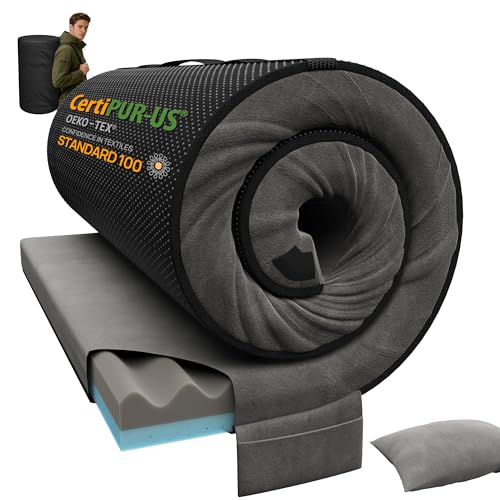
Releep 3-Inch Dual-Sided Memory Foam Mattress
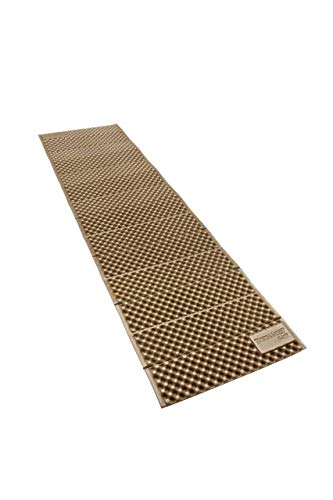
Therm-a-Rest Z Lite Original Sleeping Pad

Elegear Self-Inflating Sleeping Pad with Pillow
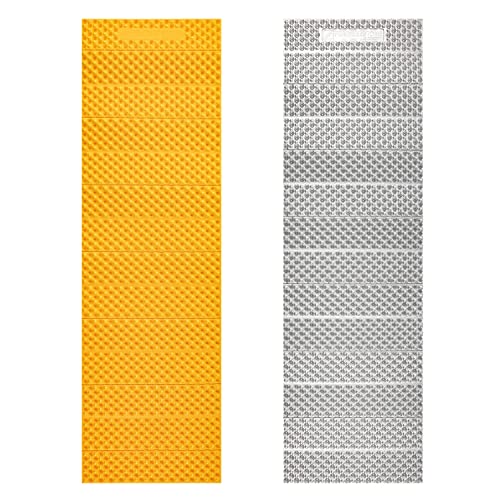
Featherstone El Cordion Insulated Sleeping Pad

Elegear Air & Foam Self-Inflating Pad with Pump
Elegear Air & Foam Camping Mattress (Army Green)
Taking A Closer Look At The Options
The Sea to Summit Camp Plus is a self-inflating foam-and-air hybrid built for campers who refuse to feel the ground through their pad. At 2.6 inches thick with a 4.3 R-value (a measure of insulation, where higher numbers mean better warmth from the ground), it handles shoulder seasons and cold nights without much fuss.
Compared to the featherweight Featherstone pick later in this list, the Camp Plus is heavier and bulkier, but the comfort tradeoff is real for side sleepers. The multi-function valve, an updated version designed for easier inflation, finer pressure adjustments, and faster deflation, makes setup less of a chore in cold hands.
What Works In Its Favor
- Plush 2.6-inch foam core cushions hips and shoulders far better than thin closed-cell pads
- 4.3 R-value handles frosty ground on shoulder-season and winter trips
- Reversible valve lets you top off with a few breaths and fine-tune firmness
- Self-inflating foam means less puffing after a long day on the trail
Things To Consider
- Bulkier pack size than ultralight picks like the Featherstone El Cordion
- Heavier than pure air pads, so thru-hikers may want something lighter
Quick Facts
Built For Cold Nights
Side sleepers camping into late fall or early spring get the most from the Camp Plus’s warmth and cushioning on cold, rocky ground.
Swap It Out For Longer Mileage
The Featherstone El Cordion is a better match for thru-hikers counting every gram in their pack.
The Releep 3-Inch pad is closer to a guest bed than a backcountry mattress, which is exactly what some campers want. The dual-layer foam, gel-infused memory foam over high-density support foam, hugs pressure points and keeps your spine aligned on firm ground.
This is not a pack-it-for-the-JMT pick. Where the Sea to Summit Camp Plus leans backcountry, the Releep leans basecamp and guest-room. The waterproof shell, bundled pillow, and carry bag make it a one-and-done setup for car camping, sleepovers, or van life.
Advantages To Know
- Three inches of foam rivals the comfort of a home mattress on hard tent floors
- Gel-infused top layer helps with heat distribution on warmer nights
- Bundled pillow and carry bag mean no separate shopping
- Doubles as a guest bed or car sleeping setup
Worth Noting
- Bulky roll makes it impractical for backpacking trips
- Heavier than self-inflating options, so car campers get more from it than backpackers
Right Fit For
Side sleepers who prioritize home-like comfort over weight savings will find this a strong match at basecamp.
Skip It When
Backpackers should look at the Therm-a-Rest Z Lite Original for a lighter, trail-ready option.
The Therm-a-Rest Z Lite is a closed-cell foam legend, the kind of pad you see strapped to thru-hiker packs across the Sierra. It folds accordion-style into a compact rectangle, weighs almost nothing, and won’t deflate at 3 a.m. because there’s nothing to deflate.
Side sleepers used to plush memory foam will find the Z Lite firmer than the Releep or Elegear hybrid options. The dimpled surface traps warm air and adds modest insulation, which works for shoulder-season trips if you pair it with a decent sleeping bag.
The Case For It
- Indestructible closed-cell foam survives abuse that punctures air pads
- Folds into a slim profile that attaches easily to the outside of a pack
- Trusted design refined over decades of real-world backcountry use
- Light enough for fastpacking and thru-hiking setups
Room For Improvement
- Thinner than the memory foam options, so heavier side sleepers may feel hip pressure
- No adjustable firmness; you get what the foam gives you
Feature Snapshot
Whose Pack It Belongs On
Lightweight backpackers and budget-conscious campers who value reliability over plush cushioning get the most from the Z Lite.
Reach For A Different Pick When
The Elegear Air & Foam Sleeping Pad with Electric Pump offers a thicker, more cushioned experience for car campers who want plug-in comfort.
The Elegear Self-Inflating Pad leans on a dense 26D memory foam core, where the density rating tells you how supportive the foam feels, higher numbers mean firmer, more resistant foam. That density is meaningfully higher than the 19D foam found in many budget competitors, which translates into better weight distribution for side sleepers who press their hip and shoulder into the pad all night.
The built-in pillow is a nice touch for campers who normally pack a separate pillow or stuff a jacket under their head. At 3.15 inches thick, it rivals the Releep in cushioning while staying trimmer in the pack.
Features That Help
- 26D memory foam holds up under side-sleeping pressure better than lower-density foam
- Integrated pillow saves packing space and setup time
- Self-inflating design reduces the breath-count at camp
- Three-plus inches of loft cushions hips on rocky ground
Points To Keep In Mind
- Bulkier than ultralight closed-cell options when rolled
- Heavier than air-only pads, so it’s not ideal for long-distance backpacking
Best Suited To
Car campers and tent sleepers who want a plush surface and hate packing a separate pillow will appreciate the all-in-one setup.
Consider Something Else When
The Therm-a-Rest Z Lite Original is a smarter pick for ultralight backpackers counting ounces.
The Featherstone El Cordion is built for hikers who count grams and want genuine warmth from a closed-cell pad. Cross-linked polyethylene foam paired with a heat-reflective film boosts the insulation rating to 2.1, enough for cool three-season nights in most ranges.
Side sleepers who usually gravitate to thick air pads will find the El Cordion firmer than the Elegear hybrids or the Releep. The hexagonal node pattern adds height and helps the pad feel more supportive than old-school egg-crate foam.
Strong Points
- Lightweight closed-cell foam that won’t deflate or pop mid-trip
- Heat-reflective film lifts the R-value above standard closed-cell pads
- Hexagonal nodes add cushioning height compared to flat foam
- Slim profile slides behind a pack or under a stuff sack
Trade Offs
- Firmer than the memory foam picks, so side sleepers may still feel some hip pressure
- Lower insulation rating limits it to shoulder-season and mild winter use
Key Attributes
Who Should Grab It
Thru-hikers, fastpackers, and minimalist backpackers get the most from the El Cordion’s weight-to-warmth ratio.
Where A Sibling Pick Shines
The Sea to Summit Camp Plus is the better call when insulation and cushion matter more than pack weight.
The Elegear Air & Foam Self-Inflating Pad solves the most annoying part of camping: blowing up your pad at the end of a long day. The built-in electric pump inflates and deflates with one touch, and the foam-and-air hybrid delivers four full inches of cushioning for side sleepers.
For campers with a portable power station or car-camping setup, the convenience is hard to overstate. Compare that to the Featherstone El Cordion, which never needs inflating but gives up a lot of softness in exchange.
Everyday Advantages
- Electric pump means no mouth-lung inflation after dark
- Four-inch thickness prevents hip and shoulder compression for most side sleepers
- Self-inflating foam core still tops off on its own
- Vacuum compression storage shrinks the packed size
Small Caveats
- Pump endurance limits continuous runtime, so plan inflation accordingly
- Heavier and bulkier than pure closed-cell or ultralight pads
- Requires a power source for the pump feature
Made For
Car campers and glampers who want plug-in convenience and don’t mind a heavier pack will love this pad.
Not Your Match When
The Therm-a-Rest Z Lite Original fits backpackers better with its lighter, no-power-needed profile.
The Elegear Air & Foam Camping Mattress takes the hybrid approach further, layering 26D memory foam over a stable air chamber. Side sleepers get the conforming feel of foam on top and the tunable support of an air base underneath, which is a meaningful upgrade over the flat foam of the Therm-a-Rest Z Lite.
The included hand pump keeps the setup simple even without electricity. It costs more effort than the electric Elegear pad earlier in the list, but the trade-off is no dependency on a power source.
The Value In It
- Memory foam top layer conforms to shoulders and hips for side-sleeping comfort
- Air base lets you dial in firmness based on body weight and ground feel
- Hand pump means you can camp anywhere without a power source
- Four-inch profile keeps pressure off joints through the night
Honest Caveats
- Hand-pump inflation takes more effort than the electric Elegear version
- Heavier pack weight than ultralight picks like the Featherstone El Cordion
Spec Overview
Who Will Love This
Side sleepers who want real foam comfort without giving up air-pad tunability, and who camp where power isn’t an option, will appreciate this hybrid build.
A Better Fit Elsewhere
The Elegear Air & Foam Self-Inflating Pad with Electric Pump is the right call when you have a power source and want one-touch setup.
What To Weigh Before Choosing A Pad For Side Sleeping
Thickness and density carry the most weight for side sleepers. Anything under three inches usually lets the hip bone press into the ground, which wakes you up sore. The Releep and both Elegear hybrids here sit at three to four inches, which is where most side sleepers find relief. A pad’s R-value matters too, especially if you’re camping past early fall; the Sea to Summit Camp Plus at 4.3 and the Featherstone El Cordion at 2.1 cover a useful range of conditions.
Closed-cell foam pads like the Z Lite and El Cordion win on weight and durability. They cannot be punctured, which matters when you sleep on rocky ground. Air-and-foam hybrids trade some weight for genuine plushness, and they tend to feel closer to a home mattress. Self-inflating designs save you from lung-busting setup, especially the electric Elegear pad, which inflates with the touch of a button.
Think about how you’ll actually use the pad. Car campers and guest-bed users get the most from thick foam options like the Releep or the Elegear hybrids. Thru-hikers and backpackers usually want the Featherstone or Z Lite. The honest read is that the most expensive pad isn’t always the right one; it’s about matching the build to your trip style and how much weight you want to carry.
Pitfalls And Premium Picks Worth Knowing
Where Shoppers Go Wrong
The most common mistake is buying a thin pad and expecting memory-foam comfort. A 1.5-inch foam pad sounds fine in a spec sheet but leaves your hip grinding into the ground by midnight. Another trap is ignoring the R-value; a 1.0-rated pad in a 35°F night means a cold, sleepless evening regardless of how plush the foam feels. Side sleepers especially should look for at least three inches of thickness and verify the foam density when possible.
The Upgrade Payoff
Higher-tier pads in this category earn their cost through better materials and smarter construction. The Sea to Summit Camp Plus uses a higher R-value and tighter valve design, which translates into warmer nights and faster setup. The Elegear hybrids combine foam and air layers that you simply cannot replicate in budget pads, and the resulting sleep quality is the real upgrade. Paying more is worth it when you camp often, sleep cold, or want one pad to cover multiple seasons and trip types.
Frequently Asked Questions
How thick should a sleeping pad be for side sleeping?
Most side sleepers want at least three inches of loft to keep the hip and shoulder from pressing into the ground. Four inches feels closer to a home bed and helps if you carry extra weight or sleep on hard, rocky ground.
What does R-value mean on a sleeping pad?
R-value measures how well a pad insulates you from the cold ground. Higher numbers mean more warmth. A rating around 2.0 handles three-season camping, while 4.0 or above is better for winter or snow camping.
Are self-inflating pads good for side sleepers?
Yes, especially models with memory foam or hybrid foam-and-air designs. The foam fills in around your hip and shoulder, while the air chamber lets you adjust firmness. Thin self-inflating pads under two inches can feel too firm for side sleeping.
Can I use a closed-cell foam pad for side sleeping?
You can, but expect a firmer feel. Closed-cell pads like the Therm-a-Rest Z Lite and Featherstone El Cordion are lightweight and durable, but they don’t conform to your body the way foam or air pads do. Heavier side sleepers may feel pressure points.
Are thicker pads always heavier?
Generally yes, though construction matters. A four-inch air pad with vertical baffles can weigh less than a two-inch dense foam pad. Hybrids like the Elegear Air & Foam line balance loft and weight better than older-style thick foam mattresses.
The Takeaway
Side sleepers need pads that cushion pressure points and keep hips from bottoming out, and the seven options here cover everything from ultralight thru-hiking to basecamp comfort. Match the pad to your trip style: closed-cell foam for weight-conscious backpackers, self-inflating hybrids for tent campers, and plush memory foam for car camping and guest setups. The right pad turns a restless night into the deep sleep your trip actually depends on.