
When a trailhead restroom is half a mile away, the back of your SUV counts as the bathroom. Campers, overlanders, and backcountry drivers all hit the same wall eventually: nature calls, and there’s no clean answer nearby. The right portable setup turns that anxious scramble into a small, manageable task. The lineup below covers seat-style toilets, disposable liners, gel kits, and absorbent pads so you can match the gear to your trip length, party size, and comfort expectations.
A Closer Look At The Lineup
Lunderg Super Absorbent Commode Pads 100 Count (Pack of 3)
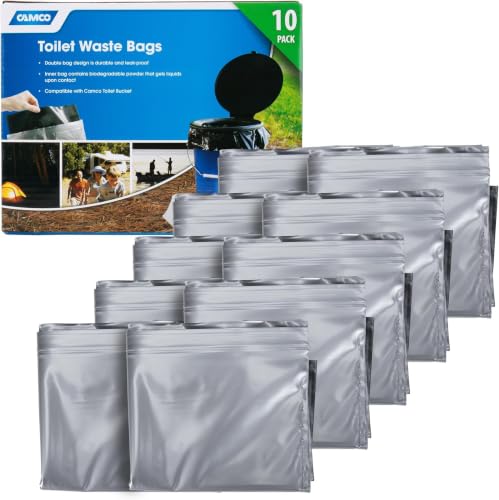
Camco Toilet Waste Bags with Biodegradable Powder (Pack of 60)

TravelJohn Disposable Urinal Bags (TJ1A-C)

Hapoon XL Portable Toilet for Adults & Kids
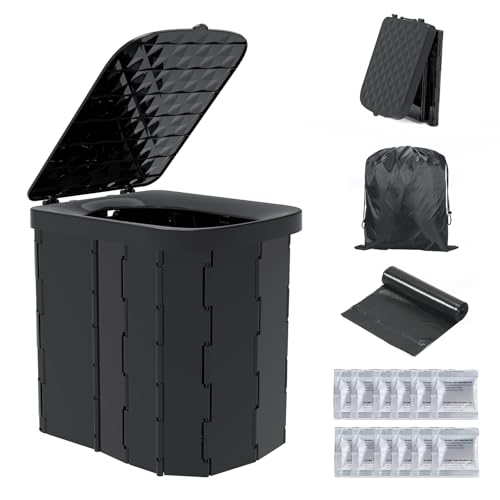
Hapoon XL Portable Folding Camping Toilet

Hapoon Portable Camping Toilet Bags and Poo Gel Set (40 Pack)

Hapoon 8 Gallon Compostable Camping Toilet Bag with Poo Gel Set
Why These Options Stand Out
Lunderg pads drop into a bucket or commode bowl and turn liquid into a gel within seconds, so cleanup becomes a toss-and-go chore instead of a rinse-out project. The pads use a paper pulp core bonded with super-absorbent polymers (the same class of material used in medical dressings) that locks moisture away from the surface.
You get 300 pads total across three boxes, which is generous for a season of car camping or a long stretch of bedside caregiving. They slot into the same workflow as the bucket toilets reviewed below, making them a flexible layer in a hybrid setup.
Notable Gains
- 300 pads across three boxes means fewer restock trips across a full camping season.
- The gel action kicks in within seconds, cutting down on splash and slosh during disposal.
- Unscented construction avoids masking chemical perfume over an enclosed tent or van.
- Fits standard buckets, bedside commodes, and many portable toilet frames for flexible use.
Things To Consider
- Storage bulk: three rigid boxes eat up shelf or cargo space, so pack them flat if space is tight.
- Pads work best inside a rigid bucket; without one, they can tear under load.
Key Specs
Best Suited To
Car campers and caregivers who already own a bucket or commode chair and want a no-rinse liner swap.
Look Elsewhere When
You want an actual seat; the Hapoon XL Portable Toilet (pick 4) gives you a raised, sturdy throne with the same liner compatibility.
Camco built these bags for RV owners, but the design travels well into tent camping and boat settings. A biodegradable powder packet goes inside before use, solidifying liquid into a manageable gel. The double-bag construction layers a leak-proof inner liner inside a tougher outer shell, so a single pinhole rarely ends a trip.
With 60 bags in the box, this is a multi-week supply for a couple or a month for a solo traveler. The wider mouth helps position accuracy, which matters in low light or with a headlamp.
Everyday Perks
- Double-bag design adds a backup layer against leaks during transport to a dump station.
- 60-bag count covers long trips without forcing mid-trip resupply runs.
- Powder treatment helps with odor control during multi-day storage in a hot truck bed.
- Compatible with Camco’s toilet bucket for a complete seat-and-liner system.
Trade Offs
- Works best paired with a rigid bucket; without support, the bag can sag under weight.
- Biodegradable powder helps, but odor still builds in warm, sealed storage over several days.
Made For
RVers, van lifers, and boat owners who already rotate through waste supplies and want a sturdy, name-brand liner.
Consider Something Else When
You camp light and want a bag that fits a frame seat; the Hapoon Portable Camping Toilet Bags (pick 6) are sized for that workflow.
TravelJohn bags solve a different problem than a seat toilet: they handle liquid waste quickly, in tight spaces, with almost no setup. Inside each bag sits a LIQSORB pouch (a powder sachet that gels on contact), so by the time you seal the bag, the contents are stable for disposal.
The unisex design works for any user, which is why these end up in emergency kits, race car haulers, and fishing boats. They are best understood as a backup tool, not a primary toilet.
Strengths Worth Knowing
- Pocket-flat when sealed, fitting into glove boxes, daypacks, and first-aid kits.
- One-step gelling means no measuring or mixing at the moment of need.
- Leakproof seal protects cargo areas and dry bags from accidental spills.
Room For Improvement
- Capacity is sized for urine only, so a separate solid-waste plan is still required.
- Single-use plastic adds up over long trips without a dedicated disposal plan.
Who It Suits Best
Long-haul drivers, road trippers, and emergency-prep households who want a fast liquid option without dragging a seat.
A Better Fit Elsewhere
You camp in a tent and need full coverage; the Hapoon XL Portable Folding Camping Toilet (pick 5) gives you a real seat to pair with a liner bag.
Where the bags and pads handle waste, this seat gives you somewhere to actually sit. The Hapoon XL is built from ABS plastic (a tough, impact-resistant thermoplastic commonly used in automotive trim and luggage shells), rated to hold up to 400 pounds. The taller and wider opening makes it more usable for adults who find compact camp seats uncomfortable.
It pairs with disposable liner bags, including the Hapoon options reviewed below. For campers with back or knee issues, the higher seat height removes the deep-squat strain of primitive trips.
Positive Takeaways
- 400-pound capacity comfortably handles adult users without flex or wobble concerns.
- Higher seat profile reduces squat strain for older campers or those with mobility limits.
- ABS plastic wipes clean with soap and water after each trip.
- Accepts standard liner bags, including the matching Hapoon sets in picks 6 and 7.
Points To Note
- Heavier than bag-only systems, so it adds cargo weight on long hikes.
- Open bottom means you still need a liner or bucket underneath to contain waste.
Feature Snapshot
Perfect Match For
Car campers and family base-camp setups who set up a semi-permanent restroom and value seat comfort.
Skip It When
You hike into camp and count every ounce; the TravelJohn Disposable Urinal Bags (pick 3) travel in a backpack pocket instead.
The folding sibling to pick 4, this Hapoon version collapses flat for transport and pops back into shape when you need it. The frame uses the same ABS construction, so durability does not take a back seat to packability.
You trade a little rigidity for the fold-flat profile, which matters when cargo space is at a premium. Inside a small SUV or van, it slides under a bench seat when not in use.
Useful Highlights
- Folding design reduces packed size for tight cargo areas or small trailers.
- Carries the same 400-pound rating as the rigid model for confidence under load.
- Lightweight build keeps total kit weight manageable for shorter carry-in distances.
- Wider seat geometry remains usable for both adults and older kids.
Potential Drawbacks
- Folding hinges add a part that can wear or loosen over years of repeated setup.
- Still requires a separate liner bag for actual waste containment.
Whose Shelf It Belongs On
Overlanders and van dwellers who want a real seat but cannot spare the cargo volume of a fixed-frame model.
Reach For A Different Pick When
You camp with small children who need a step stool; the rigid Hapoon XL (pick 4) gives a more stable platform.
These HDPE (high-density polyethylene) bags share the frame-fit philosophy with the Camco option, but the 8-gallon capacity covers both liquid and solid waste in a single bag. Each roll ships compact, so it slips into a side pocket of a camp bin or a vehicle drawer.
Twenty poo gel packs sit alongside the forty bags, so the kit covers a full multi-day trip for a small group with spares to spare.
The Good Stuff
- 8-gallon bag swallows both liquid and solid waste without overflow risk.
- HDPE film resists punctures from rough handling or rough ground.
- Compact roll format stores flat in tight cargo areas.
- Combo pack ships with gel packs already matched to bag count.
Worth Bearing In Mind
- Without a seat frame, the bag needs a bucket or similar rigid support to function.
- Counted per-use, so large groups will run through bags faster than expected.
At A Glance
Who Should Grab It
Group leaders running car-camp base camps who want a generous liner supply without buying in multiple boxes.
Where A Sibling Pick Shines
You want a bag that breaks down faster after disposal; the Hapoon Compostable set (pick 7) uses a different film with that trade-off.
For campers who follow Leave No Trace ethics, this compostable bag set reduces end-of-trip waste impact. The 20 bags and 20 gel packs come individually heat-sealed, which keeps the kit clean even when stored in a dusty gear bin for months.
Bag dimensions match the HDPE set, so it drops into the same buckets or frame seats without adjustment. The trade-off sits in durability: compostable films typically run a touch thinner than pure HDPE.
Points In Its Favor
- Compostable film breaks down faster after disposal than standard plastic liners.
- Heat-sealed individual wrapping keeps the kit sanitary during long storage.
- Matches the 8-gallon capacity of the HDPE set for familiar handling.
- Compact roll design slips into standard camp storage bins.
Some Limits To Know
- Thinner film can scuff under heavy or rough handling compared with HDPE bags.
- Compostable claims depend on disposal conditions, so check local guidelines.
The Right Fit
Backcountry and front-country campers with a real waste plan who want a liner that breaks down faster after the trip.
Swap It Out When
Your priority is pure tear resistance; the Hapoon HDPE bag set (pick 6) holds up better under heavy or rough transport.
Picking The Right Portable Restroom For Your Trip
The first decision is seat versus bag. Seat-style toilets like the Hapoon XL models give you actual comfort, but they only earn their weight when you are parked at a base camp, not hiking between sites. Bag systems like Camco or Hapoon waste bags collapse flat and weigh almost nothing, which fits backpackers and bikepackers who count every cubic inch of pack space.
Capacity matters more than people expect. Solo weekend campers can get by with small counts, but a family of four burns through waste supplies fast. Look for pack counts that match your trip length, then add a buffer for weather delays or longer-than-planned stays. Bags with gel packs save you from having to mix powder on the spot, which is a real plus in cold or rainy conditions.
Disposal reality shapes the right pick. Campers near municipal RV dump stations can rotate through any liner style. Backcountry users need bags that pack out cleanly and seal tight for the hike back. Compostable films reduce end-of-trip impact but require the right disposal conditions to break down properly. Match the bag type to where it will end up, not just where it gets used.
Storage and durability round out the practical side. ABS plastic seats wipe clean and survive cold nights without cracking. Foldable frames save cargo space but add hinges that wear over years. Absorbent pads store well in rigid boxes but eat shelf volume. Think about where the kit lives between trips and how often you actually pull it out, then size the system to that rhythm.
Key Considerations Across These Picks
Common Shopping Slip Ups
The most frequent miss is buying a seat without a matching liner plan. A toilet frame without bags or pads means you still need a bucket and a place to dump it. The second is underestimating supply counts: solo trip math rarely scales to a family, and running out on day two of a four-day trip ruins the whole rhythm. Third, skipping a backup gel pack leaves you improvising when conditions turn wet or cold.
Where The Extra Money Goes
Higher-tier portable toilets earn the premium with seat height, frame rigidity, and weight capacity. A 400-pound-rated ABS seat holds up year after year where thinner plastic flexes under load and eventually cracks. Premium bag kits add heat-sealed wrapping, thicker film, and matched gel counts, which translates to fewer leaks and fewer mid-trip resupply runs. For frequent campers, that reliability gap is where the extra cost lives.
Frequently Asked Questions
How do I dispose of camping potty waste in the backcountry?
Pack it out in a sealed bag to the nearest RV dump station or approved waste facility. Never bury solid waste near water sources, and follow local land-management rules for the area you are camping in.
Are absorbent commode pads safe for septic systems?
The gel-forming polymers break down similarly to standard hygiene products, so most pads are compatible with septic and municipal systems. Avoid flushing them, since the pad substrate does not dissolve and can clog plumbing.
How many waste bags do I need per trip?
Plan on two to three bags per person per day for full coverage, then double that for groups with kids. A weekend solo trip fits in a 15-bag pack, while a family week needs closer to 60 or more.
Can kids use the same portable toilet as adults?
Seat-style models like the Hapoon XL list adult and kid compatibility in their dimensions, so most school-age children fit comfortably. Younger toddlers may need a step or a smaller dedicated seat for safe positioning.
Do compostable bags actually break down in a landfill?
Compostable films need oxygen and microbial activity to break down, which standard landfills often lack. They perform best in industrial composting facilities or shallow burial in active soil, so match the bag to your disposal method.
Wrap Up
The right camping potty depends less on specs and more on your trip style. Car campers with space to spare do well with a sturdy seat and a generous bag supply, while backpackers want pocketable urinal bags and lightweight liners. Match capacity to group size, disposal method to your usual camping areas, and storage footprint to your vehicle. Once those line up, the rest of the decision gets a lot easier.