
Cold nights in a tent turn a great trip into a miserable one fast. Whether you’re car camping in shoulder season or winter camping in a proper four-season shelter, the right heat source keeps you comfortable enough to actually sleep. This roundup covers the gear that holds up when the temperature drops, from radiant heaters for sheltered setups to personal warmers for everyone in the tent.
The Essentials At A Glance

sundate Portable Heater Outdoor Infrared 1500W Carbon Fiber Tube

Lerat Hand Warmers Rechargeable 2 Pack USB Pocket Heater
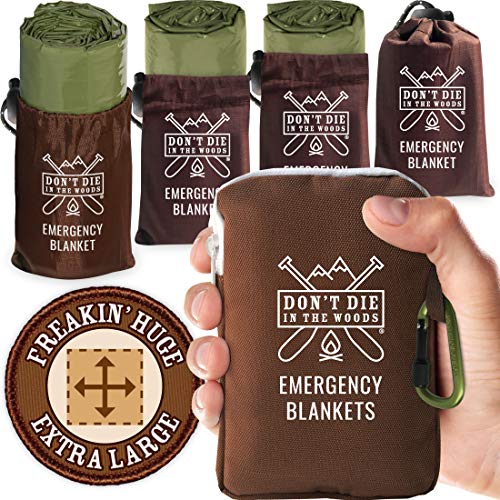
Don’t Die in The Woods Freakin’ Huge Emergency Blankets (Green)

AUIIAH Hand Warmers Rechargeable 2 Pack with LED Display

Arcturus Insulated Tarp Heavy Duty Thermal Survival Blanket 60x82in
Lerat Hand Warmers Rechargeable 2 Pack Max 131℉ Slim Pocket
A Deeper Look At The Lineup
The sundate portable heater pushes warmth through a carbon fiber tube rather than warming the surrounding air, which matters in a tent where air movement is limited. Radiant infrared heat transfers directly to people and objects, so you feel warmth the moment it powers on rather than waiting for the whole shelter to heat up.
For car campers running a portable power station, the 1500W draw is manageable, though a standard 15A household circuit handles it without strain. The eight heat levels and built-in timer let you dial in steady background warmth overnight instead of running full blast the entire time.
Where It Excels
- Carbon fiber heating element warms skin and gear directly, bypassing the slow process of heating tent air.
- Eight heat levels give you fine control from gentle background warmth to a stronger setting for pre-bed warmup.
- Eight-hour timer supports overnight use without leaving the unit running unattended for longer than intended.
- Tip-over and overheat protection cut power automatically if the heater tips or internal temps climb too high.
- Waterproof rating suits damp outdoor conditions common during shoulder-season camping.
Trade Offs
- Radiant heat has a directional sweet spot, so people outside the beam stay cold in larger shelters.
- 1500W draw drains a mid-size power station faster than smaller personal heaters, which matters for off-grid nights.
Built With In Mind
Campers with a family-sized tent, a reliable power source, and a need for real, ambient warmth rather than just personal hand heat.
Look Elsewhere When
Backpackers should skip this and grab the Don’t Die in The Woods Freakin’ Huge Emergency Blankets instead, since weight and power draw matter more than radiant output on the trail.
The Lerat rechargeable pair slips into a jacket pocket or sleeping bag and runs on a USB charge, which removes the hassle of disposable heat packs that die mid-trip. Three heat settings let you match output to the conditions rather than burning through battery on full power all night.
For tent camping specifically, a pair of these resting inside your sleeping bag keeps your core warm from the hands inward, which often matters more than tent air temperature. They also pull double duty on cold mornings when you need functional fingers to light a stove or tie boot laces.
What Helps Most
- USB rechargeable design eliminates ongoing cost and waste from disposable chemical warmers.
- Two-pack configuration covers both you and a tent partner on cold nights.
- Compact pocket form factor stashes easily inside a sleeping bag or glove.
- Three adjustable heat levels balance warmth against battery runtime depending on conditions.
Honest Caveats
- Battery runtime shrinks noticeably on the highest setting, so cold-weather campers may need to ration heat across the night.
- Hand warmers heat extremities only, leaving the tent air temperature unchanged for the rest of the body.
Who Should Grab It
Campers who already run a good sleeping bag but want targeted warmth for fingers and toes on cold nights.
Swap It Out When
Anyone wanting visible battery and temperature feedback should consider the AUIIAH Hand Warmers Rechargeable 2 Pack with LED Display instead.
The Don’t Die in The Woods emergency blanket is mylar (a reflective foil sheet that bounces body heat back toward you) sized generously enough to wrap a full adult, which sets it apart from the standard survival sheets that barely cover your torso. It weighs almost nothing and folds down to fit in a jacket pocket or pack lid.
For tent camping, the most practical use is as a sleeping bag liner on unexpectedly cold nights, where the reflective surface amplifies your bag’s existing insulation. It also works as a ground sheet or wind block, doubling its value on trips where weight matters more than durability.
Notable Upsides
- Generous dimensions cover a full adult body rather than leaving legs or feet exposed.
- Mylar construction reflects radiated body heat back toward you, lifting effective bag warmth.
- Featherweight packability adds negligible weight to a backpacking load.
- Multipurpose design works as a liner, ground sheet, or wind shelter in a pinch.
- Green coloring reduces glare compared to standard bright orange mylar.
Practical Considerations
- Mylar tears relatively easily against rough branches or rocks, so owners commonly report careful handling matters.
- Single-use perception is overstated but real: it will not survive repeated rough trips like the Arcturus tarp will.
Right Fit For
Backpackers and emergency kit builders who want a no-weight, no-cost backup layer for unexpected cold snaps.
Reach For A Different Pick When
Car campers wanting a reusable heat-retention layer should grab the Arcturus Insulated Tarp Heavy Duty Thermal Survival Blanket 60x82in for a more durable option.
The AUIIAH pair steps up from basic hand warmers with a visible LED screen showing remaining battery and current temperature, which removes the guesswork from overnight trips. A magnetic split design lets you use one unit solo or snap both together for shared warmth inside a jacket or sleeping bag.
Four heat levels reach their top setting quickly, giving you usable warmth without a long warmup delay. The form factor sits slightly chunkier than slimmer competitors like the Lerat Max 131℉ pair, but the trade-off is better information at a glance.
What It Does Well
- LED display shows battery percentage and exact heat level, useful for planning runtime across a cold night.
- Magnetic split design enables single-hand or combined use depending on the situation.
- Four heat settings deliver more granular control than typical three-level warmers.
- Fast heat-up means usable warmth within seconds of powering on.
Points To Note
- Bulkier body is less glove-friendly than the slim profile of the Lerat Max 131℉ pair.
- More features mean more buttons to learn, which can frustrate users who want simple one-button operation.
Who Will Love This
Campers who want at-a-glance battery data and prefer precise temperature control over slimmer pocket fit.
Not Your Match When
Gloved winter use calls for the Lerat Hand Warmers Rechargeable 2 Pack Max 131℉ Slim Pocket, which fits narrower pockets more easily.
The Arcturus tarp differs from standard mylar blankets by combining reflective foil with a rugged polypropylene (a tough woven plastic) outer layer, creating a 3-layer construction that holds up to repeated use. At 60×82 inches it doubles as a ground tarp, a shelter layer, or a heat-reflective wall inside a larger tent.
Reinforced grommets (metal eyelets punched through the edges for tying rope) let you rig it as an awning or wind break at camp, which adds versatility beyond simple body heat reflection. For basecamp use, this kind of durability matters more than the absolute lowest weight.
Strengths Worth Knowing
- 3-layer construction resists tearing and weather better than single-layer mylar sheets.
- Reflective surface bounces body heat back toward you, lifting sleeping bag or tent warmth noticeably.
- Waterproof and windproof properties block two of the biggest cold-weather threats in one layer.
- Reinforced grommets support rigging as a tarp shelter or wind break at camp.
- 60×82 inch dimensions cover a full adult or two kids lying side by side.
A Few Limitations
- Heavier and bulkier than the Don’t Die in The Woods emergency blanket, so backpackers may resist the extra pack weight.
- Reflective performance requires direct body contact or close proximity to be most effective.
Feature Snapshot
Best Suited To
Car campers and basecamp setups wanting a durable, reusable reflective layer rather than a disposable mylar sheet.
Consider Something Else When
Weight-conscious backpackers should reach for the Don’t Die in The Woods Freakin’ Huge Emergency Blankets instead.
The slim Lerat pair trims down on bulk while keeping three heat levels and a stated max output of 131℉, which suits glove pockets and lighter sleeping bag layers. Compared to the chunkier AUIIAH pair reviewed earlier, this one disappears into a pocket rather than bulking out a jacket.
For tent campers, the practical benefit is that these fit inside a mummy bag’s hand compartment without creating a cold spot around the device. Run time scales down at higher settings, so most users will want to start at medium and bump up only when needed.
Points In Its Favor
- Slim pocket-friendly profile fits inside gloves, jacket pockets, and sleeping bag hand pockets.
- Three heat levels span a useful range from gentle warmth to a higher 131℉ max for very cold conditions.
- Two-pack configuration warms both you and a partner at the same time.
- Rechargeable design avoids the recurring cost of disposable chemical warmers.
Some Limits To Know
- No LED display means you cannot check battery state at a glance like on the AUIIAH pair.
- Slimmer body holds less battery capacity than chunkier competitors, so runtime suffers on the highest level.
Perfect Match For
Gloved campers and winter sports users who want unobtrusive pocket warmth without a heavy, bulky device.
Where Another Pick Suits Better
Campers wanting battery and temperature readouts should pick the AUIIAH Hand Warmers Rechargeable 2 Pack with LED Display instead.
What Matters Most When Picking Camping Heat
Choosing the right heating setup starts with matching the heat source to your shelter type and trip style, not chasing the highest output. Car campers with a power station can run real electric heaters like the sundate infrared unit, while backpackers need to weigh every gram and lean on insulation layers plus pocket warmers instead.
Heat source and power source work together. Battery-powered hand warmers like the Lerat or AUIIAH pairs run on USB charging, which fits any camp with a power bank or solar panel. Electric radiant heaters demand serious wattage and stable power, which rules them out for most off-grid tent camping beyond a car-camped power station setup.
Insulation amplifies whatever heat you bring. A good sleeping bag rated for the expected low temperature matters more than any heater, and adding a reflective layer like the Arcturus tarp or a mylar sheet from Don’t Die in The Woods raises effective warmth without ongoing power draw. Relying on heat alone is a losing game once the battery dies.
Safety sensors matter in an enclosed shelter. Any heater used inside a tent needs tip-over and overheat protection like the sundate unit offers, plus enough clearance from sleeping bags, tent walls, and fabric. Carbon monoxide risk rules out combustion heaters in fully enclosed tents, so stick to electric radiant heat or personal warmers only.
Picking Smart Across This Lineup
Where Shoppers Go Wrong Buying a high-wattage electric heater without confirming your power source can actually run it overnight. A 1500W unit like the sundate infrared heater will drain most portable power stations in a few hours, leaving you colder than if you’d started with a layered insulation approach. Match the heat source to your realistic power budget before anything else.
When Paying More Pays Off Stepping up to the AUIIAH hand warmers over the basic Lerat pair buys you an LED display and magnetic split design, which sounds minor until you’re fumbling in a dark tent trying to check battery level. The extra cost also typically brings faster heat-up times and tighter temperature control, which adds real comfort on multi-day cold trips.
Frequently Asked Questions
Can you use a regular electric heater inside a tent? Only heaters rated for indoor or sheltered outdoor use with tip-over and overheat protection, like the sundate infrared unit, should go inside an enclosed shelter. Any combustion heater that burns fuel is unsafe in a sealed tent due to carbon monoxide risk.
Are rechargeable hand warmers worth it for tent camping? Yes, especially for sleeping bag use where the warmth radiates inward toward your core. A pair like the Lerat or AUIIAH models keeps your hands functional in the morning and adds comfort without requiring shelter power.
Do emergency mylar blankets work as sleeping bag liners? They add meaningful heat retention by reflecting body radiation back toward you, with the Don’t Die in The Woods blanket sized large enough to wrap your torso and legs inside a bag. They are not a replacement for a properly rated sleeping bag, but they buy you several degrees of effective warmth.
How do you heat a tent without electricity? Layer insulation first: a properly rated sleeping bag, a reflective ground sheet, and a mylar or tarp layer like the Arcturus Insulated Tarp for the tent interior. Add rechargeable hand warmers inside the sleeping bag for personal warmth and a hot water bottle at your feet for cheap radiant heat.
What is the safest heater for a family tent? An electric radiant unit with safety cutoffs like the sundate 1500W model, used on a stable surface with clearance from fabric and sleeping bags. For kids or unpredictable setups, reflective layers and rechargeable hand warmers carry zero burn or fire risk.
Wrap Up
The right camping heat setup depends on how you camp, not on raw output numbers. Backpackers get the most from mylar layers and pocket warmers, while car campers with serious power can lean on radiant electric heat. Match the gear to your shelter, your power source, and your expected lows, and cold nights stop being the reason a trip goes sideways.