
A good headlamp quietly disappears into your routine until you need it: the moment you fumble for the bear-hang rope, the dark mile back to the tent, or the broken zipper that needs both hands. The wrong one fights you with bouncing light, foggy lenses, or a battery that quits at midnight. The picks below cover a wide spread: ultralights for thru-hikers, helmet-mountable lights for climbers, dependable two-packs for a cabin or emergency bin, and a few workhorses for backpackers, runners, and storm prep.
Your Options, Compared

Nitecore NU25 360 Lumen Triple Output USB Rechargeable Headlamp
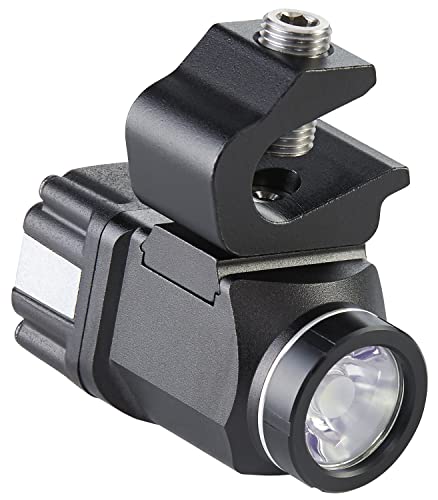
Streamlight 69331 Vantage II 350-Lumen Hands-Free Flashlight
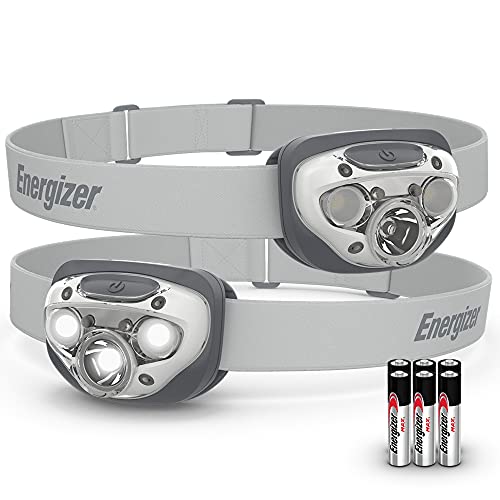
Energizer LED Headlamp PRO (2-Pack) IPX4

Energizer Universal LED Headlamp (2-Pack) IPX4

Energizer PRO-260 LED Headlamp (Forest Green)

Nitecore NU20 Classic 360 Lumen Ultralight Headlamp

Princeton Tec Vizz Tactical MPLS Headlamp 550 Lumens

Princeton Tec VIZZ 550 RGB AAA-Powered Headlamp
Princeton Tec Vizz Tactical LED Headlamp 550 Lumen

Princeton Tec Vizz Headlamp 550 Lumen Dimmable LED
2. More Details On Our Top Picks
The Nitecore NU25 earns its spot as the trail-running and thru-hiking pick because the weight disappears on your forehead. The body tips under an ounce without the strap, roughly 1.9 ounces with it, so it stays put on steep climbs without the classic bounce-and-slide problem that heavier units cause on jogs.
Three light sources handle most situations. A CREE XP-G2 S3 main LED (a high-efficiency LED rated for bright, focused output) drives a 360-lumen wide beam with an 88-yard throw, plenty for a dark trailhead or a trail cut through dense forest. A high CRI auxiliary LED (CRI stands for Color Rendering Index, and a higher score means colors look more natural, which helps with map reading and cooking). The red LED preserves night vision so you can check a topo map without torching your dark-adapted eyes.
A Strong Showing
- Triple-output setup covers trail, camp, and map tasks without swapping headlamps.
- USB-rechargeable battery removes the AAA scramble on multi-day trips.
- Sub-one-ounce body weight reduces neck strain on long days.
- Red LED mode keeps dark adaptation intact during shared tent time.
Worth Noting
- Plastic shell is light but less impact-resistant than aluminum-bodied tactical units.
- Charging port cover is widely reported to loosen over time on rough trails.
Who It Suits Best
Thru-hikers, ultralight backpackers, and trail runners who count every gram and want a rechargeable head they can forget they’re wearing.
Consider Something Else When
Helmet-mounted climbers should consider the Streamlight 69331 Vantage II 350-Lumen Hands-Free Flashlight, which clips to a hard hat with a much more focused industrial beam.
The Streamlight Vantage II is built for hard hats and helmets rather than bare heads. That changes who it suits: firefighters, tower workers, search volunteers, and climbers who already strap a helmet on. The housing integrates directly with modern industrial-style helmet brackets, so the beam tracks where your eyes go without slipping during rope work or chimney moves.
The 350-lumen output lands in the middle of the pack, but the candela (a measure of beam intensity) is tuned for cutting through smoke, dust, and fog rather than spreading wide. It feels harsh for casual camp reading, but rewarding when you need to pick out a distant trail marker at 2 a.m. Compared with the Nitecore NU25’s ultralight feel, this unit is more of a tool than an accessory.
Positive Points
- Helmet-mountable design frees both hands for technical rope and rescue work.
- High-candela beam pierces smoke, dust, and fog at long distances.
- Tough polymer body is rated to handle the rough life of fire and industrial gear.
Trade Offs
- Not the lightest option for casual backpacking, with most of the bulk going to the helmet bracket.
- Single-mode simplicity is great for jobs but limited for casual camp use.
Made For
Climbers, firefighters, and search-and-rescue volunteers who wear helmets and need a no-nonsense beam that follows their gaze.
Look Elsewhere When
Recreational campers who rarely strap on a helmet will find more useful features in the Energizer PRO-260 LED Headlamp (Forest Green), which offers multiple modes for varied camp tasks.
The Energizer LED Headlamp PRO 2-Pack wins on simple math: two working headlamps for one camping trip, or one for the cabin and one for the car. Families with kids who want their own headlamp for nighttime tent play will appreciate not having to argue over the one good light. IPX4 water resistance (a rating meaning the lamp survives splashes from any direction) handles rain and dew without panic.
The 260-lumen output is a noticeable step up from older coin-cell designs and stretches to about 80 meters on high. That covers most campsite tasks, from walking a dark path to finding dropped tent stakes. Compared with the heavier Princeton Tec Vizz line, this pair is friendlier for casual use, less so for serious backcountry work.
The Upside
- Two-lamp value covers a partner, the kids, or a backup stash.
- 260-lumen main beam handles most campsite and trail tasks.
- IPX4 splash rating survives rain and accidental drops in puddles.
- Comfortable strap fits a wide range of head sizes, including kids.
Points To Keep In Mind
- Plastic construction is light but can scratch and scuff with rough storage in a pack.
- Battery life on the highest mode drops faster than premium units with regulated output.
Right Fit For
Family campers, scout leaders, and casual car-campers who want a dependable spare or a shared set without paying tactical-light prices.
Swap It Out When
Backpackers cutting weight will get more from the Nitecore NU20 Classic 360 Lumen Ultralight Headlamp, which is lighter per unit and rechargeable on the trail.
The Energizer Universal Headlamp 2-Pack is the kind of gear you stuff in a closet bin and forget until the power goes out. The two-lamp format shines here: one for the kitchen drawer, one for the car, one for the bedside table when storms knock out the grid. Batteries ship in the box, so the headlamps work on day one without a charging routine.
The output is gentler than the PRO version, which makes sense for indoor and around-the-house tasks. You get a comfortable flood beam for navigating hallways, checking breakers, or reading by lantern light. Where the Streamlight Vantage II is a tool for specialists, this pair is a tool for everyone in the household.
Where It Delivers
- Two-lamp format suits household emergency kits, glove boxes, and shared cabins.
- Comfortable strap and low-profile housing work for kids and adults.
- IPX4 splash rating covers rain, snow, and bathroom steam without drama.
- Batteries included means grab-and-go readiness straight out of the box.
Smaller Caveats
- Lower output than the PRO model, so distances and detail tasks are limited.
- Uses replaceable batteries, so long-term ownership means stocking spares.
Best Suited To
Homeowners and renters building a basic emergency kit, plus drivers who want a dependable glove-box light that doesn’t need charging.
Reach For A Different Pick When
Campers who already own one solid headlamp should consider the Nitecore NU25 360 Lumen Triple Output instead, since its ultralight body and rechargeable battery are easier on a backpack.
The Energizer PRO-260 leans into versatility, which is why it shows up on lists for camping, running, and storm prep alike. The 260-lumen output reaches roughly 80 meters on high, plenty for trail work and campsite scouting. The mode list is unusually generous: high spot, low spot, high wide, low wide, plus a red mode for night vision. That lineup covers map reading, cook tent tasks, and dark-trail hiking from a single headlamp.
Batteries ship in the box, and the IPX4 housing shrugs off rain. Compared with the Princeton Tec Vizz Tactical line, the PRO-260 is heavier on features but lighter on ruggedness, so it suits backpackers more than helmet operators.
Where It Helps
- Five-plus lighting modes cover almost every campsite scenario from a single unit.
- Red night-vision mode preserves dark adaptation for shared tents.
- IPX4 splash rating handles rain and accidental drops in puddles.
- 260-lumen high output is enough for fast-moving trail running.
Things To Consider
- Battery life drops noticeably on the highest spot mode during long runs.
- Not as impact-rated as the Princeton Tec tactical units for hard professional use.
Who Should Grab It
Backpackers, distance runners, and storm-prepared households who want one headlamp that handles a wide mix of tasks without a learning curve.
Not Your Match When
Tactical and rescue operators should reach for the Princeton Tec Vizz Tactical LED Headlamp 550 Lumen, which offers IR mode and stronger regulated output.
The Nitecore NU20 Classic is the sibling pick to the NU25, and it lands at 1.34 ounces with a 360-lumen ceiling and roughly 119 yards of throw. The beam reaches a touch farther than the NU25, which matters on open ridge walks and lake-shore jogging where you want to spot a trail marker early.
Where it stands out is the safety layer: three brightness levels, SOS and Beacon modes, a soft reading light, and an auxiliary red light. Beacon and SOS are not just marketing. On a day hike gone wrong, those flashing modes help searchers find you when you cannot yell back. Charging is built in via USB, which keeps the kit simple for travelers who already carry a power bank.
Where It Excels
- 1.34-ounce body weight disappears on jogs and day hikes.
- 119-yard throw covers open ridge lines and lakeshore trails.
- Beacon and SOS modes add real safety value for solo hikers.
- USB-rechargeable design pairs well with a small power bank.
Honest Caveats
- Plastic shell is light but not as tough as aluminum-bodied tactical units.
- Charging port cover is widely reported to need gentle handling over time.
Built With In Mind
Day hikers, ultralight backpackers, and joggers who want an ultralight rechargeable headlamp with genuine safety modes built in.
A Better Fit Elsewhere
Families or car-campers who want a simple no-fuss spare will get more from the Energizer Universal LED Headlamp (2-Pack), which ships ready to use out of the box.
The Princeton Tec Vizz Tactical MPLS is the modular sibling in the Vizz lineup. The MPLS system (Modular Personal Lighting System) means the headlamp is built around swappable mounts: a head strap, a helmet bracket, an over-the-ear mount, and a clip-on plate. Operators running mixed gear can move one light body between platforms instead of buying dedicated units per setup.
Output climbs to 550 lumens with regulated brightness, so the beam stays steady as the battery drains rather than fading like unregulated lights. Multiple LED colors, including red, blue, green, and IR (infrared, which is invisible to the naked eye but readable through night-vision optics), cover map work, signaling, and night-vision-compatible tasks. That combination is the reason military, law enforcement, and rescue teams keep this model in their kit lists.
Practical Advantages
- Modular mounts let one light body move between helmet, head strap, and clip-on use.
- Multiple specialty LED colors handle map, signaling, and night-vision needs.
- Regulated output keeps brightness steady across the battery cycle.
- 550-lumen ceiling reaches farther than most ultralights.
Practical Considerations
- Modular mounts add weight and bulk compared with bare-head ultralights.
- IR capability is wasted unless you own compatible night-vision gear.
Whose Shelf It Belongs On
Search-and-rescue operators, tactical professionals, and serious outdoors people who already run helmet or MOLLE-style gear setups.
Where A Sibling Pick Shines
Recreational backpackers who do not need IR or modular mounts should consider the Princeton Tec Vizz Headlamp 550 Lumen Dimmable LED, which keeps the core performance in a simpler package.
The Princeton Tec VIZZ 550 RGB runs on three AAA batteries, which is a deliberate trade. Lithium rechargeables and power banks are great until they die in the field. AAA cells are available at every gas station, ranger station, and tiny mountain-town store. For weekenders who want a no-fuss spare-battery routine, that matters more than another 100 lumens.
On high, you get 550 lumens with a regulated circuit for about 2.5 hours. Drop to low and runtime stretches to 75 hours, which is enough to leave the lamp on a campsite table as a base-camp beacon for an entire weekend. The RGB cycling (red, green, blue) is button-controlled, so you can match the light to your task without scrolling menus. IPX7 waterproofing (submersible to one meter for 30 minutes) is a meaningful upgrade over the IPX4 camping norm.
What Works In Its Favor
- AAA power means field-replaceable batteries anywhere, with no charger needed.
- 75-hour low-mode runtime suits base-camp and emergency use.
- IPX7 waterproofing handles downpours and brief submersion.
- Dimmable white plus RGB cycling covers a wide task range.
Soft Spots
- 2.5-hour full-power runtime is short compared with rechargeable 360-lumen units.
- Carrying spare AAAs adds pack weight over USB-rechargeable models.
Who Will Love This
Weekend backpackers, hunters, and emergency-prep households who prefer the simplicity of swap-in batteries over charging cables.
Skip It When
Thru-hikers counting every ounce should consider the Nitecore NU20 Classic 360 Lumen Ultralight Headlamp, which trades AAA convenience for a lighter rechargeable body.
The Princeton Tec Vizz Tactical pushes 550 lumens with regulated output circuitry, which keeps brightness consistent as the battery drains instead of dimming the way unregulated lights do. That matters on long shifts: by hour six, an unregulated unit is half as bright, while this one still hits its spec.
Runtime stretches to 66 hours on lower modes, which is the headline number for SAR teams, hunters, and tactical operators running multi-day deployments. Specialty LED modes include red, blue, green, and IR, with a programmable order so the most-used color lands first in the cycle. The 92-gram weight is heavier than ultralights, but well-distributed for a hardhat-and-glove workflow.
Notable Upsides
- 66-hour runtime supports multi-day field operations on lower modes.
- Regulated output keeps brightness steady across the battery cycle.
- Programmable LED order lets you prioritize the modes you actually use.
- IPX7 waterproofing handles rain, snow, and brief water immersion.
A Few Limitations
- 92-gram weight is heavier than ultralight picks on long trail days.
- Specialty color programming adds a learning curve on first use.
Perfect Match For
Tactical operators, search-and-rescue volunteers, and hunters who need long regulated runtime and specialty LED modes for signaling and night-vision compatibility.
Another Choice May Suit
Backpackers who want similar 550-lumen power in a simpler format will find the Princeton Tec Vizz Headlamp 550 Lumen Dimmable LED easier to live with.
The Princeton Tec Vizz Headlamp rounds out the lineup as the all-purpose 550-lumen option in tan. It carries the same regulated output as the tactical sibling, so brightness holds steady as the battery drains. Programmable specialty color order keeps the experience customizable without the IR (infrared) overhead of the tactical unit.
IPX7 waterproofing covers rain and stream crossings, which is the kind of detail that matters more than people expect on multi-day trips. The tan finish and tactical-styled housing look at home on a hunting trip, a fishing camp, or a backcountry emergency kit. For campers who like the Princeton Tec build quality but do not need IR mode, this is the cleanest choice.
The Case For It
- Regulated 550-lumen output keeps brightness steady across the battery cycle.
- Programmable specialty color order avoids the IR overhead of the tactical version.
- IPX7 waterproofing handles rain, dew, and brief water immersion.
- Tan finish suits hunting, fishing, and backcountry aesthetics.
Where It May Fall Short
- Heavier than ultralight picks on long thru-hike days.
- Specialty color modes add complexity for users who only need white light.
Right Fit For
Backpackers, hunters, and safety-prepared campers who want premium regulated output and IPX7 waterproofing without the tactical IR feature set.
A Better Fit Elsewhere
Thru-hikers and ultralight backpackers will find the Nitecore NU25 360 Lumen Triple Output USB Rechargeable Headlamp easier on their pack weight over long-distance days.
What Matters Most Before Choosing Camping Headlamps
Match The Beam To The Job
Lumens tell you how bright a lamp is, but they do not tell you how the light is shaped. A wide flood beam is friendly for camp cooking and reading maps, while a tight spot beam reaches farther down a trail. CRI (Color Rendering Index) measures how naturally colors appear under the light, with 80+ considered good for tasks like cooking and map work, while 90+ reads almost like daylight.
Most modern headlamps offer both modes in one unit. Before you buy, think about what you actually do in the dark: trail hiking, tent setup, reading, or signaling. The right mode list saves you from cycling through wrong beams at the wrong moment.
Think About Power And Runtime
Rechargeable batteries cut weight and ongoing cost, but they fail without a charger. AAA or AA cells are heavier but available anywhere. Runtime claims on retail listings assume the lowest mode, so a 50-hour runtime number often means 4 hours at full power.
For a weekend trip, regulated output (a circuit that keeps brightness steady as the battery drains, rather than fading gradually) matters more than peak lumens. An unregulated 400-lumen lamp drops to 200 by hour three, while a regulated one stays near 400 until the battery quits.
Weight, Comfort, And Strap Design
A headlamp that bounces or pinches will end up in your pack. Anything over 3 ounces with a stiff strap becomes a problem on a long run or steep climb. Look for adjustable, slightly grippy straps and a centered battery design if you plan to move fast.
For kids or shared use, a wider strap and a lower profile housing fit more head shapes. Two-pack formats help when one person always grabs the good headlamp first.
Key Considerations Across These Picks
Where Shoppers Go Wrong
The most common mistake is chasing lumen counts without thinking about runtime or beam shape. A 1000-lumen lamp that runs for 40 minutes is less useful than a 300-lumen lamp that runs all night. The other trap is buying a tactical unit for casual camping: extra modes like IR and strobe look exciting on the box but clutter the daily interface. Match the light to your real routine.
Where The Extra Money Goes
Higher-tier models earn their cost with regulated output, longer runtimes, better waterproofing (IPX7 versus IPX4), and modular mounting systems. Aluminum bodies and better seals resist drops and stream crossings. For most casual campers, a mid-tier rechargeable unit is plenty. For backpackers, hunters, and operators, the upgrade pays for itself in fewer dead batteries and steadier beams.
Frequently Asked Questions
How Many Lumens Do You Need For A Camping Headlamp?
For general camp tasks and short trail sections, 200 to 350 lumens is plenty. Faster-paced hiking, running, or technical terrain usually calls for 400 to 550 lumens or more.
What Is The Best Battery Type For A Camping Headlamp?
Rechargeable lithium-ion batteries keep weight and cost down over time. Replaceable AAA or AA cells make sense for trips where charging is not an option, since you can swap in fresh batteries anywhere.
What Does IPX4 Versus IPX7 Waterproofing Mean?
IPX4 means the headlamp handles splashes from any direction, which covers rain and dew. IPX7 means it survives brief submersion in water up to one meter deep, useful for stream crossings or heavy downpours.
Why Are Red LED Modes Useful On Headlamps?
Red light preserves your natural night vision, so you can read a map or check on a tentmate without losing dark adaptation. It also attracts fewer insects than white light.
How Do You Clean And Maintain A Headlamp?
Wipe the lens with a soft dry cloth after dusty trips, check the battery contacts for corrosion, and store the unit in a cool dry place. For rechargeable models, top the battery off every few months during long storage.
The Takeaway
A camping headlamp earns its place by disappearing into your routine, lighting up only when you need it, and staying alive through rain, dust, and dropped batteries. Match the beam shape and runtime to how you actually camp, and resist the urge to over-buy on lumens you will rarely use. The right pick becomes the piece of gear you forget you are wearing, until you really need it.