
A damp pile of kindling, a stubborn matchbook, and ten minutes wasted before dinner. Anyone who has camped, grilled, or tried to coax a fire pit to life in the rain knows the sting of a starter that just won’t catch. The right fire starter turns that drag into a five-minute win, whether you’re firing up charcoal for burgers, a wood stove during a power outage, or a campfire at treeline.
Most folks reach for newspaper, lighter fluid, or scrunched-up cardboard. Those work, sometimes, until they don’t. A purpose-built starter removes the guesswork and gets flames going in damp wood, on windy ridges, or after a long day when your patience is shot. The ten options below cover backyard BBQ duty, survival-kit reliability, and bulk buys for cabin owners.
The Shortlist At A Glance

Weber Charcoal Lighter Cubes (96 Count)
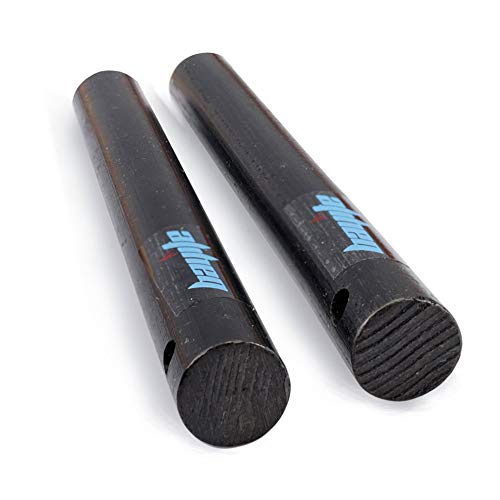
Bayite XL Ferro Rod Survival Fire Starter

SUNLIFER Natural Charcoal Fire Starters (150 pcs)

JDZKOMKE Waterproof Fire Starters (72 pcs)

JDZKOMKE Waterproof Fire Starters (216 pcs)

JDZKOMKE Waterproof Fire Starters (150 pcs)

JDZKOMKE Waterproof Fire Starters (110 pcs)

SUNLIFER Natural Wax and Sawdust Fire Starters (120 pcs)

SUNLIFER Natural Wax and Sawdust Fire Starters (200 pcs)

Rutland Fire Starter Squares
A Closer Look At Each Pick
Saturday-afternoon grill sessions usually start the same way: a chimney full of briquettes, a stubborn breeze, and a prayer to the charcoal gods. Weber’s lighter cubes take the prayer out of the equation.
Each wax-based cube is designed to ignite even in damp or windy conditions, then burn long enough to set a full chimney of coals glowing. For weekend grillers who want a set-it-and-forget-it charcoal start, this is the most familiar option on the list.
Useful Highlights
- 96 cubes per box, enough for a season of regular grilling.
- Wax-based formula lights reliably even when the cubes or surrounding charcoal have absorbed moisture.
- Odorless burn that won’t flavor steaks, burgers, or vegetables with lighter-fluid taste.
- Compact cubes fit easily in a chimney starter and store without taking over a shelf.
Honest Caveats
- A single cube is enough for a small fire, so you may end up using two for a chimney full of briquettes.
- Not designed for backpack carry, so it fits the backyard better than the backcountry.
- Wax residue on fingers after handling, especially in warm weather.
Key Product Details
Right Fit For
Home grillers who fire up a charcoal kettle most weekends and want a fuss-free ignition they can trust.
Reach For A Different Pick When
You’re packing a survival kit for serious backcountry use; the Bayite ferro rod is a much lighter, no-fuel option for that scenario.
A ferro rod, short for ferrocerium, is a metal alloy rod that throws a shower of hot sparks when scraped with a hard edge. It’s the classic bushcraft tool, and Bayite’s XL version goes big.
The 5-inch length and roughly 1/2-inch thickness translate to a rod that throws a serious spark shower, even in wind and wet weather. The drilled hole accepts a lanyard or toggle for attachment to a pack, belt loop, or bug-out bag.
The Case For It
- Thick rod delivers a heavier spark shower than slim pocket versions.
- Windproof and weather-resistant, a real edge at altitude or on coastal winds.
- Reusable for thousands of strikes, so one rod outlasts dozens of disposable options.
- No fuel to carry, no fumes, and no batteries to leak in your pack.
Points To Keep In Mind
- Requires a separate striker; cheap knife blades can chip or fail to spark reliably.
- Takes practice. First-timers often struggle to direct sparks into a tinder bundle.
- Bulkier than a matchbook, so it’s a pack item, not a pocket item.
Feature Snapshot
Made For
Hikers, hunters, and emergency-prep folks who want a fire-starting tool that works when lighters, matches, and batteries have all given up.
Look Elsewhere When
You mainly want a fire in the backyard and don’t want to learn a striking technique; Weber’s lighter cubes will get charcoal glowing with no learning curve.
The first time you open a bag of these, the smell tells the story: wood shavings and wax, nothing else. SUNLIFER’s natural tumbleweed starters lean hard into the chemical-free pitch, and for anyone grilling over charcoal or splitting wood for a fireplace, that matters.
The hand-woven shape holds together well, lights from a single match, and burns long enough to set even a stubborn charcoal pile going. They’re the kind of starter you toss in a bin next to the grill and forget about until the next cookout.
What Pays Off
- Natural wood and wax composition leaves no chemical aftertaste on grilled food.
- One or two pieces are typically enough to ignite a full charcoal chimney.
- 150-count bag stretches across most of a grilling season for a single household.
- Light enough to keep a handful in a camping kitchen box.
Practical Considerations
- Per-piece burn time is shorter than some larger cubes, so cold, wet wood may need two.
- Hand-woven shape can crumble if stored in a damp spot for too long.
Whose Shelf It Belongs On
Purists who want a chemical-free flame for charcoal grilling, fireplaces, or camping cook setups.
Consider Something Else When
You need to light a fire in steady rain or on damp kindling; the JDZKOMKE 216-pack is built for tougher, wetter conditions.
Smaller pack, same general formula. JDZKOMKE’s 72-piece box hits a sweet spot for tent campers, weekenders, and anyone who wants enough sticks for a season without committing to a full closet shelf of inventory.
Each starter is hand-woven from pine wood and food-grade wax, so the burn is clean and the ash is minimal. The big draw is wet-weather performance: a single piece is designed to ignite damp wood or charcoal, even in rain or snow.
Practical Advantages
- Compact 72-piece count stores easily in a camping tote or grill side table.
- Pine wood and food-grade wax leave no chemical residue on food.
- Each stick burns long enough to light damp kindling most nights.
Room For Improvement
- Smaller pack means you’ll restock sooner if you grill or camp often.
- Pine resin can pop and spark, so place sticks away from dry tinder piles.
Built With In Mind
Weekend campers, RV travelers, and tent campers who need a small, weatherproof supply to toss in a duffel.
A Better Fit Elsewhere
Cabin owners or households running multiple fire pits each month will want the JDZKOMKE 216-piece bulk pack instead.
This is the Costco-sized tub of the category. A 216-piece box covers most households through a full year of regular grill nights, plus a summer’s worth of fire pit evenings, plus the occasional emergency power-outage fire.
Same pine wood and food-grade wax blend as the smaller JDZKOMKE packs, but with enough inventory that you stop counting cubes after every cookout. The 12-minute burn per piece is enough to wake up damp logs without babysitting.
Bright Spots
- 216-piece box covers well over a year of typical household use.
- Per-piece burn time designed to ignite damp wood or charcoal reliably.
- Biodegradable, chemical-free formula won’t leave residue on food.
Some Limits To Know
- Bigger box means a dedicated storage bin or shelf space in the garage.
- Pine resin smell is noticeable during the first minute of burn.
Feature Rundown
Who Should Grab It
Cabin owners, large families, scout troops, and anyone running a wood stove or fire pit on a regular cadence.
Skip It When
You only need a handful of fires per year; the Weber 96-cube pack or JDZKOMKE 72-piece will be plenty.
The 150-piece box sits in the middle of the JDZKOMKE lineup and, for most households, lands right where it counts. It’s enough inventory to stop thinking about restocking, without the bulk-storage headache of the 216-piece tub.
The hand-woven pine-and-wax formula handles damp wood and charcoal reliably. For backyard fire pit hosts running two or three fires a month, this is a comfortable balance of supply and shelf footprint.
Features That Help
- 150-piece count is comfortable for moderate, year-round use.
- 12-minute per-piece burn easily wakes up a charcoal chimney or wood pile.
- All-natural composition keeps grills and food free of chemical residue.
Trade-Offs To Consider
- Larger count than the 72-piece means more storage planning upfront.
- Per-piece size is small, so very large bonfires may need three or four sticks.
Best Suited To
Regular backyard fire pit hosts and grillers who run a few fires a month across the year.
Where A Sibling Pick Shines
If you only burn a fire on occasional camping trips, the smaller JDZKOMKE 72-pack is a tighter fit and easier to store.
The 110-piece box is the under-the-radar middle child of the JDZKOMKE family: more than a small starter pack, less than a full stockpile. For a household that lights one fire pit night every other week and grills most weekends, it lands in a comfortable range.
It uses the same pine wood and food-grade wax blend as the larger and smaller sizes. The 12-minute burn per stick still handles damp kindling and stubborn charcoal without fuss.
The Practical Payoff
- Sub-bulk count covers family grilling and fire pit use through a full year.
- Biodegradable, chemical-free composition is friendly to food and the yard.
- Designed to ignite wet wood or charcoal without lighter fluid.
Worth Noting
- Not as widely stocked as the 72-piece or 150-piece sizes in some regions.
- Pine scent is faint but noticeable during lighting.
Who Will Love This
Family households and weekend hosts who fire up the grill or fire pit consistently but don’t run through full bulk inventory.
Not Your Match When
You want the lowest per-piece cost or you’re stocking a large cabin; the JDZKOMKE 216-piece offers more runway per box.
Most fire starters pick a lane: campfires, grills, or fireplaces. SUNLIFER’s wax-and-sawdust formula crosses all three without complaint. For homeowners who run a wood stove in winter, a grill in summer, and a fire pit whenever the grandkids visit, that versatility earns its place.
Each piece is molded from natural wax, sawdust, and hardwood fiber, so the burn profile is consistent and the ash output is light. The 120-piece count covers most households through a year of mixed use.
Key Advantages
- Multi-purpose design covers fireplace, grill, fire pit, and wood stove.
- Clean-burn formula leaves minimal ash and no chemical residue.
- Reliable ignition in damp conditions for wood and charcoal alike.
Less Ideal Details
- Per-piece burn time is shorter than bulkier cube-style starters.
- Hardwood scent lingers briefly in enclosed spaces like fireplaces.
Perfect Match For
Homeowners who split fire duty between a wood stove, a fireplace, and a grill, and want one starter that handles all three.
Swap It Out When
You primarily grill on charcoal and want maximum burn per piece; Weber’s lighter cubes are tuned for that specific job.
The 200-piece SUNLIFER box is the larger sibling of the 120-count and a smart match for frequent grillers, wood-stove households, and rental cabins. You’ll open a few pieces every week and still have inventory when spring rolls around.
Each molded stick burns up to around 10 minutes, which is plenty of runway for charcoal chimneys, fireplaces, and stubborn fire pit starts. The natural wax and sawdust formula is designed to handle damp conditions without a fuss.
A Few Strong Suits
- 200-piece box runs a household through most of a year without restocking.
- Approximately 10-minute burn per piece handles wood, charcoal, and fireplaces.
- No lighter fluid or matches needed once the first piece is lit.
Potential Drawbacks
- Larger pack requires dedicated storage space, ideally in a dry bin.
- Smaller sticks may struggle on a cold, wet fire pit if you only use one piece.
Who It Suits Best
Frequent grillers, wood stove owners, and rental property hosts who go through multiple fires each week.
Consider Something Else When
You’re a casual griller running only one or two fires a month; the SUNLIFER 120-count is a tighter fit for that pace.
Rutland’s fire starter squares have been a fixture of campgrounds, fireplaces, and backyard chimneys for decades. There’s a reason they’ve stuck around: they work, even when conditions don’t cooperate.
These non-toxic squares light when wet, require no kindling, and won’t flavor food cooked over them. For a wood stove owner, a fireplace regular, or a charcoal griller who wants a starter that just works, Rutland remains a familiar name.
Useful Touches
- Decades-long track record across grills, fireplaces, and campfires.
- Designed to ignite even when wet, useful in damp storage or rainy setups.
- Non-toxic composition won’t transfer off-flavors to grilled food.
Smaller Caveats
- Smaller pack count than bulk wax-and-sawdust sticks, so heavy users restock often.
- Some users find the squares produce a faint petrochemical scent during lighting.
Best Suited To
Traditionalists, wood stove owners, and anyone who values a familiar, time-tested fire starter over newer formulations.
Another Choice May Suit
If you want a chemical-free, biodegradable formula with a longer per-piece burn, the SUNLIFER 200-piece natural starter is a closer match.
How To Pick The Right Camping Fire Starter For Your Setup
The first question is always the same: where will you light the fire, and how often? Backyard grillers, weekend car campers, and serious backcountry hikers all need different things, and the wrong starter makes a familiar chore feel longer than it should.
For charcoal grills and smokers, cube-style wax starters like the Weber pack deliver a clean, fast ignition that won’t flavor your food. Wax-and-sawdust sticks like the SUNLIFER or JDZKOMKE lines work for grills, fireplaces, and fire pits with the same efficiency. Backcountry travelers should look at a ferro rod, since windproof performance and zero fuel weight matter more than burn time.
Match the count to your cadence. A 72-piece pack handles a few fires a season; 150 pieces covers a year of moderate use; 200-plus is for households running multiple fire sources each month. Storage matters, too: any natural starter benefits from a dry bin, since moisture softens the wax and shortens burn time over time.
Weather performance separates the categories. Lighters and matches quit in wind and rain. Wax-based cubes and sticks keep working when the deck is wet or the kindling has absorbed humidity. Ferro rods ignore weather entirely once you learn the technique.
What Separates Premium And Budget Camping Fire Starters
Wrong Turns To Avoid
The most common mistake is grabbing the cheapest cubes on the shelf and assuming all fire starters behave the same. Low-quality cubes often burn short, leave heavy ash, and may carry a chemical scent that ends up on grilled food.
Another trap is overbuying a bulk pack you’ll never finish. A 216-piece box only makes sense if you actually burn through a starter or two each week. Otherwise, you’ll end up with cracked, dry, or stale pieces that underperform fresh ones.
Finally, don’t assume waterproof ratings on the package mean “ignites instantly in a downpour.” Even the best wax-based sticks appreciate dry tinder underneath them in heavy rain. Stack dry kindling first, then light the starter.
When Paying More Pays Off
Higher-tier starters earn their keep through consistency and clean burn profiles. They use better-grade wax, denser wood fiber, and tighter weaves that hold shape longer in storage. That translates to a more reliable ignition in the moments that matter, like a charcoal chimney that just won’t catch or a fireplace on a cold night.
The premium tier also tends to invest in tighter packaging, which keeps moisture out and extends shelf life. For households that stock a starter bin in the garage and reach for it year-round, that longevity justifies the higher per-piece cost. For occasional users, the mid-tier packs hit the right balance of reliability and value.
Key Considerations Across These Picks
Pitfalls Shoppers Hit
Buying a 200-piece bulk pack for a household that lights one fire a year is the most common slip. Bulk inventory only makes sense if you actually burn through it before the wax dries out or the weave cracks. Smaller packs are easier to store and use while the pieces are still fresh.
Another trap is overlooking storage. Even waterproof starters absorb ambient humidity over time, which shortens burn time and weakens ignition. A sealed plastic bin or a dry shelf in the garage preserves starter quality far longer than leaving the bag open on a patio shelf.
What The Higher Tier Buys
Spending more per piece usually buys tighter weaves, denser wax content, and cleaner burn profiles. The result is a longer per-piece burn, less ash, and more reliable ignition on damp wood. For frequent users, those gains stack up across a season.
The extra cost also tends to buy better moisture protection in the packaging itself. That matters most for households that buy in bulk and store in an unheated garage or shed, where temperature swings can affect lower-tier wax formulas over time.
Frequently Asked Questions
How many fire starter pieces do I need per fire?
For most fireplaces and charcoal grills, one to two pieces is enough to get a fire going within a minute. Larger bonfires or wet kindling may need three or four pieces stacked under the wood.
Are natural wax fire starters safe for cooking food?
Yes. Natural wax-and-sawdust starters made from food-grade wax and untreated wood burn cleanly without flavoring grilled food. They leave minimal ash and no chemical aftertaste.
Can you light a fire in the rain with these starters?
Wax-based cubes and wax-and-sawdust sticks are designed to ignite damp wood and charcoal. Steady heavy rain still benefits from dry tinder underneath the starter, but the wax keeps burning where matches and paper would fail.
How should fire starters be stored?
Keep them in a sealed plastic bin or bag in a dry location. Moisture softens the wax and shortens burn time, even for starters labeled waterproof. A garage shelf in a lidded container works well.
How long do these fire starters last in storage?
Stored dry, wax-based starters typically stay effective for several years. Bulk packs that sit in a humid garage for two or three seasons may show reduced burn time compared to fresh inventory.
The Takeaway
The right fire starter depends on where you’re lighting and how often. Backyard grillers get a reliable ignition from Weber cubes. Backcountry travelers should carry a ferro rod. Everyone else lands somewhere in the wax-and-sawdust middle, where the JDZKOMKE and SUNLIFER packs cover fireplaces, grills, and fire pits with the same starter. Pick the count that matches your cadence, store it dry, and the next rainy cookout won’t be a battle.