
A good camp setup is less about gear obsession and more about quiet reliability: the towel that actually dries, the headlamp that survives a downpour, the radio that pulls in a weather band when the sky goes grey. This roundup focuses on compact, packable items that earn their space in a duffel without ceremony. Whether you car-camp with a toddler or hike light into the backcountry, the right mix of small essentials shapes how the trip feels.
A Side-By-Side Look

JUST TO GO Compressed Towel, Disposable Washcloths, 48 Count

PandaEar Collapsible Baby Bottles Wash Basin

Sodlar Fire Blanket 40″x40″, 2-Pack
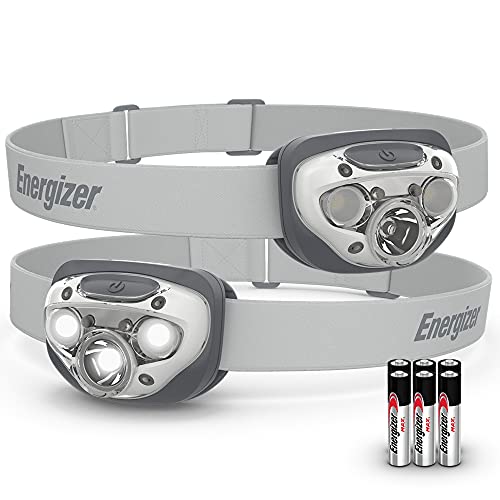
Energizer LED Headlamp PRO (2-Pack)

Energizer Universal LED Headlamp (2-Pack)

Energizer PRO-260 LED Headlamp

FosPower NOAA Emergency Weather Radio A1

FosPower NOAA Emergency Weather Radio A3

FosPower NOAA Emergency Weather Radio A6

FosPower Emergency Weather Radio D9
More Details On Our Top Picks
Camp towels are one of those items you only think about when the soggy one in your bag stops being useful. The JUST TO GO compressed towel solves that in a different way: each tablet arrives the size of a coin and opens into a roughly 10 x 12 inch cloth with a splash of water. For backpackers counting grams or parents packing a day bag, that small footprint matters more than plush thickness.
Made from plant-based viscose fibers, the towels are individually wrapped to stay hygienic until needed. They work equally well dry as a quick wipe or wet for a face wash. Compared to a bulky camp towel, this trade-off leans toward convenience and disposability over long-term re-use.
Practical Advantages
- Each tablet expands to roughly 10 x 12 inches, enough for a face wash or quick cleanup around the cookstove.
- Coin-size form factor frees up serious pack space for ultralight hikers and travelers.
- Plant-based viscose construction feels gentle on skin during repeated daily use.
- Individual wrapping keeps each towel clean and ready in a humid tent or dusty car.
- Works either dry as a wipe or wet as a full washcloth, useful in unpredictable conditions.
Honest Caveats
- These are single-use by design, so disposing of 48 wrappers matters if you camp in fragile environments.
- Thinner than a full camp towel, they are less effective for drying off after a swim.
Key Specs
Best Suited To
Pack-light travelers, backpackers, and day-hikers who value compact hygiene over plush comfort.
Reach For A Different Pick When
The PandaEar Collapsible Baby Bottles Wash Basin suits caregivers who need a reusable wash tub for bottles and infant gear.
Camping with a baby means cleaning bottles, pump parts, and small dishes far from a sink, and balancing those in a regular bowl usually ends with spillage. The PandaEar basin expands into a roughly 12.9 x 12.9 x 7.9 inch tub that holds multiple items at once, then folds flat for the drive home. The built-in drain plug and elevated feet make it feel designed for real outdoor mess rather than a quick rinse.
Where the JUST TO GO compressed towel handles personal hygiene, this one takes over for shared feeding gear. For parents who want a single container for the whole kit, that dual role keeps the packing list short.
Useful Touches
- 2.9 gallon capacity fits several bottles, pump parts, and small cups at once.
- Collapsible design folds down for storage in a diaper bag or car trunk.
- Built-in drain plug speeds up cleanup at sites without running water.
- Food-grade PP and TPR materials feel safe for infant feeding items.
- Deep square shape lets you scrub items from multiple angles.
Things To Consider
- Requires a flat surface to sit steady, which gravel campsites do not always offer.
- Limited to washing duty, not a replacement for a wider camp sink or table.
- Air-drying the basin before folding prevents mildew on longer trips.
Made For
Parents and caregivers who camp or travel with infants and need one tub for bottles, pump parts, and small dishes.
A Better Fit Elsewhere
Adult-only campers get more value from the JUST TO GO compressed towel for personal hygiene than from a dedicated wash basin.
Grease fires at the camp stove and stray sparks at the fire pit are the kind of emergencies where every second matters. The Sodlar fire blanket comes as a 2-pack of 40 x 40 inch fiberglass sheets designed to smother small flames by cutting off oxygen. Pulling a blanket over a pan is faster than digging out an extinguisher, and there is no residue to clean afterward.
While the Energizer headlamps cover light, this one covers the moments when light reveals something you would rather not see. Keeping a blanket in the camp kitchen and one in the vehicle covers both common fire sources.
A Few Highlights
- Two-layer fiberglass construction handles direct flame contact during small kitchen flare-ups.
- Large 40 x 40 inch size drapes over a stovetop, grill, or trash can fire.
- 2-pack lets you stage one at home and one in the vehicle or camp bin.
- Smothers fire by oxygen deprivation rather than chemical suppression, leaving no messy cleanup.
Small Caveats
- Designed for small, contained fires, not large structural blazes.
- Fiberglass can feel stiff in cold weather and may irritate bare hands during deployment.
Quick Facts
Whose Shelf It Belongs On
Camp cooks, grillers, and anyone with a fireplace or vehicle emergency kit who wants a quick first response tool.
Swap It Out When
Backpackers focused on ultralight weight should consider whether the bulk of a 2-pack blanket fits their kit.
Tents swallow flashlights, and holding a phone light while filtering water at 11pm gets old fast. The Energizer LED Headlamp PRO answers that with hands-free beam light rated at around 260 lumens and a beam distance the brand lists up to roughly 80 meters. The 2-pack format means you can stage one in the tent and one on the cooking table without arguing over who gets the light.
Where the Sodlar blanket covers fire risk, this covers the far more common problem of finding your way around after dark. The IPX4 rating means splashing rain and spilled coffee are not catastrophic.
Real Benefits
- Around 260 lumen output lights a wide campsite area for cooking and packing.
- Beam reach of up to 80 meters helps when scanning trails or fence lines.
- IPX4 water resistance shrugs off rain and accidental splashes.
- Two units in one purchase covers partners or multiple camp zones.
- Adjustable head strap fits over hats and beanies in cool weather.
Points To Note
- Higher brightness drains batteries faster than economy headlamps.
- Single on-off button can require cycling through modes mid-task.
Who Should Grab It
Car campers and backyard hosts who want bright, no-fuss hands-free light for cooking, packing, and tent routines.
Where Another Pick Suits Better
The Energizer Universal LED Headlamp suits shoppers who want a lighter, less beam-intensive option for casual indoor-outdoor use.
Not every camp task needs a 260 lumen searchlight. The Energizer Universal LED Headlamp is positioned as the lighter, more compact sibling in the line, comfortable enough to wear during a long dog walk or a quick tent repair. Batteries ship in the box, so you can hand one to a kid on arrival and let them read by tent light without setup drama.
Versus the more powerful Energizer PRO-260 covered later, this one trades peak brightness for a smaller head profile. That makes it a friendlier choice for everyday household bins, glove boxes, and short overnight trips.
The Helpful Details
- Compact housing sits low on the forehead, reducing bounce during walking and jogging.
- Batteries included, so the headlamp is usable out of the package.
- IPX4 water resistance handles rain and accidental splashes during camp chores.
- Twin pack format keeps a spare in the kitchen drawer or second vehicle.
- Lightweight build reduces fatigue on longer wear sessions.
Trade Offs
- Lower brightness than the Energizer PRO-260, so trail spotting is limited.
- Fewer beam modes than premium headlamps for fine-tuned lighting.
Who Will Love This
Casual campers, apartment dwellers, and parents who want a friendly headlamp for daily tasks and weekend trips.
Look Elsewhere When
The Energizer PRO-260 suits campers who run longer night sessions and want more beam reach.
When you actually need to see the trail markers at the far end of the campsite, the PRO-260 pulls out the big beam. The brand quotes around 260 lumens at high setting and roughly 80 meters of throw distance, with mode options that include a red night vision setting to preserve dark adaptation. The PRO in the name is not just marketing: this one is the more capable step up from the Universal model.
Compared to the earlier Energizer PRO 2-pack, this single-headlamp purchase suits anyone who already has a backup light and just wants one solid unit. The red mode in particular helps on stargazing nights and tent interiors.
Standout Benefits
- Red night vision mode preserves dark adaptation during map reading.
- Multiple beam settings allow switching between spot and wide flood.
- High mode rated around 260 lumens with up to 80 meter reach.
- IPX4 water resistance handles overnight rain and dewy mornings.
- Pivot head directs light where needed without repositioning the strap.
Points To Keep In Mind
- Single unit only, so a separate backup light is recommended for multi-night trips.
- Premium brightness draws batteries faster on extended outings.
Feature Snapshot
Who It Suits Best
Night hikers, storm-prep campers, and runners who want a single, capable headlamp with red mode.
Consider Something Else When
Shoppers wanting two units for shared use should consider the Energizer LED Headlamp PRO 2-Pack instead.
Cell coverage tends to vanish exactly when the sky turns interesting, which is why a dedicated weather radio still earns space in a pack. The FosPower A1 covers NOAA weather band along with AM and FM, and gives you three ways to keep it powered: built-in solar panel, hand crank, or USB input. The 7400mWh internal battery also doubles as a small power bank for a phone in a pinch.
Compared to the larger FosPower A3 reviewed next, this one leans toward minimalist weekend use. It is the unit to grab when you want weather alerts and a flashlight without adding much weight.
What Earns Its Place
- Three charging modes (solar, hand crank, USB) keep it running off-grid.
- NOAA weather band provides alerts when cell service is unreliable.
- Built-in flashlight covers tent reading and trail signal needs.
- Power bank function tops up a phone for emergency calls.
- Compact form factor fits in day packs and small duffels.
Where It May Fall Short
- 7400mWh battery tops up a phone only partially in most cases.
- Small solar panel charges slowly in overcast conditions.
- Hand crank requires patience for meaningful power gain.
Right Fit For
Weekend campers and hikers who want weather alerts, a flashlight, and a small phone boost in one compact unit.
Skip It When
Multi-day off-grid campers get more headroom from the FosPower A3 with its larger battery capacity.
The A3 doubles the battery capacity of the A1 to roughly 14800mWh, which starts to matter on multi-day trips where a partial phone top-up is not enough. The radio still covers NOAA weather band along with AM/FM, and the same trio of charging options (USB, solar, hand crank) keeps the unit alive when the grid does not. The SOS alarm and flashlight round out a small emergency hub.
Where the Energizer headlamps handle night visibility, this handles information visibility. It is the middle child of the FosPower line, sized for trips that run beyond a long weekend.
The Case For It
- 14800mWh battery provides meaningful phone charging for multi-day trips.
- NOAA, AM, and FM coverage handles weather alerts and entertainment.
- Three charging methods (USB, solar, crank) reduce dependency on any single source.
- SOS alarm adds a signaling option during roadside or trail emergencies.
- Built-in flashlight covers camp reading and tent movement.
Soft Spots
- Larger and heavier than the FosPower A1, which adds pack weight.
- Cranking generates enough power for radios and alerts, not a full phone charge.
Built With In Mind
Multi-day campers, road-trippers, and emergency kit builders who want a longer-lasting radio and power bank combo.
Not Your Match When
Lightweight day-hikers get more use from the smaller FosPower A1.
The A6 is the largest of the standard FosPower weather radios in this roundup, with a roughly 19240mWh battery that supports longer radio listening and meaningful phone top-ups across a multi-day stay. It still pulls NOAA, AM, and FM signals and charges via solar, hand crank, or USB, and adds an SOS alarm and flashlight for emergency signaling.
Compared to the A3 reviewed above, this one shifts further toward extended off-grid readiness. It is the right call for base camps and longer expeditions where charging a phone matters more than shaving pack weight.
What Stands Out
- 19240mWh capacity is the largest in this lineup, supporting longer radio use.
- Power bank function handles more than a partial phone top-up per session.
- Four-mode charging (USB, solar, crank, plus backup) covers varied conditions.
- NOAA weather alerts keep you informed when cell coverage drops.
- Bright flashlight and SOS alarm add a real safety layer.
Practical Considerations
- Heavier than the A1 and A3, which adds real pack weight.
- Hand cranking for a meaningful charge still takes steady effort.
Perfect Match For
Extended-stay campers and base-camp organizers who want longer battery life and stronger phone charging in one unit.
Another Choice May Suit
Travelers wanting more listening variety get shortwave and Bluetooth from the FosPower D9 model.
The Model D9 is where FosPower stops being just a weather radio and starts being a small communications hub. It still handles NOAA, AM, and FM, but adds shortwave for international signals and Bluetooth 5.4 for streaming from a phone. A 14800mWh battery, three charging modes, SOS alarm, flashlight, and IPX3 splash resistance round out a unit that suits hobbyists as much as campers.
Compared to the A3 and A6, this one trades pure battery capacity for listening flexibility. Shortwave in particular appeals to anyone who tunes international broadcasts, while Bluetooth makes it usable as a camp speaker when the weather clears.
Strengths Worth Knowing
- Shortwave reception adds international listening beyond standard AM and FM.
- Bluetooth 5.4 streaming turns the unit into a camp speaker.
- 14800mWh power bank covers phone charging for multi-day use.
- USB, solar, and hand crank charging cover varied off-grid conditions.
- SOS alarm and flashlight enhance safety signaling options.
Less-Strong Areas
- IPX3 splash resistance is less weather-sealed than IPX4-rated units.
- More menus and features create a learning curve for first-time users.
Who It Suits Best
Hobbyists, preppers, and remote campers who want shortwave listening and Bluetooth alongside weather alerts.
Look Elsewhere When
Backpackers focused on weight and simplicity may prefer the smaller FosPower A1.
Choosing Camping Essentials That Earn Their Space
Picking camping gear is mostly an exercise in cutting weight without cutting safety. Focus first on items that solve a problem you cannot solve with improvising: a fire blanket beats a wet towel for grease fires, and a weather radio outpaces a phone with no signal. After that, look at durability and weather sealing.
Consider how you actually camp. Car campers can carry more redundant items (two headlamps, two charging options) without consequence. Backpackers need to weigh every gram, which is where compressed towels and compact radios earn their spots.
Think about who else is in the tent. Parents and pet owners have specific cleaning and safety needs that solo travelers do not. A collapsible wash basin matters far more on a family trip than on a solo overnighter.
Finally, match the battery and charging profile to your environment. Weekend trips in sunny climates suit solar-topped units, while forested or coastal trips benefit from hand-crank backups that do not depend on light.
Things Worth Weighing Before You Buy
Pitfalls Shoppers Hit
A common mistake is treating every item as equally critical. A 2-pack fire blanket is wasted space for a tent-only backpacker, while a compressed towel is overkill for a car camper with full linens at home. Match each item to your trip type before buying.
Another trap is buying the cheapest headlamp without checking the IP rating. An IPX4 rating means real splash resistance, while lower ratings fail at the first downpour. Look at the actual water-sealing spec, not just the marketing.
Where The Extra Money Goes
Higher-tier weather radios cost more for added battery capacity and listening modes. For weekend trips, the base model handles the job. For multi-day or base-camp setups, the upgrade pays off in fewer charging worries and richer information access.
The same logic applies to headlamps. A premium unit adds red night vision and brighter spot modes, which matter if you actually hike at night. Casual campers rarely need that step up.
Frequently Asked Questions
What should I pack first for a camping trip? Start with safety items like a fire blanket and a light source, then add weather-awareness tools like a NOAA radio. Hygiene items and towels come next based on your group size and trip length.
How many headlamps do I need for a group of four? Two headlamps usually suffice for a small group, especially if you keep one in the tent and one by the cooking area. Larger groups or night hikers benefit from a third backup.
Are compressed towels better than regular towels? They save serious pack space and are great for travel or short trips, but they are thinner than a standard camp towel and are designed for single use. For longer stays, a reusable camp towel still wins.
Do I need a weather radio if I have a phone? Phones fail in dead zones, cold weather, and dead batteries. A dedicated radio with multiple charging options keeps you informed when the cell network cannot.
Closing Remarks
The right camping gear fades into the background: you forget the towel is there until you need it, the headlamp just works, the radio keeps you ahead of the weather. Start with the essentials that solve real problems, then add upgrades only when your trips demand them.