
You spend hours choosing the right tent, the right stove, the right chair, then collapse onto a thin pad and wonder why your back hurts at sunrise. The right camping cot mattress turns a restless night into the kind of deep sleep that makes the morning trail feel shorter. This guide covers eight well-built options across sizes, thicknesses, and use cases, from self-inflating foam pads that double as guest beds to oversized cots built for taller sleepers and car-camp comfort.
The Picks In Brief
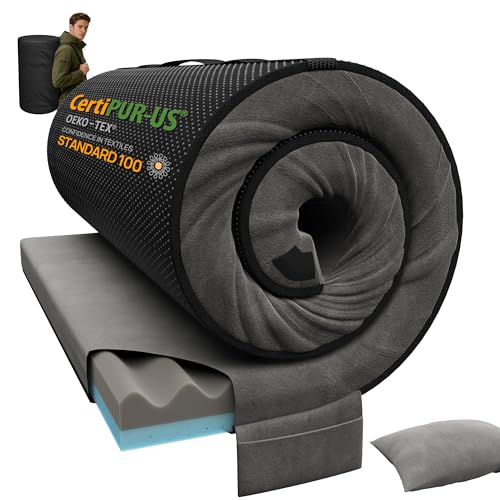
Releep 3 Inch Dual-Sided Memory Foam Camping Mattress

ONETIGRIS SUPRATIROS Extra Large Camping Cot

Lost Horizon Option3 Self-Inflating Mattress, Queen
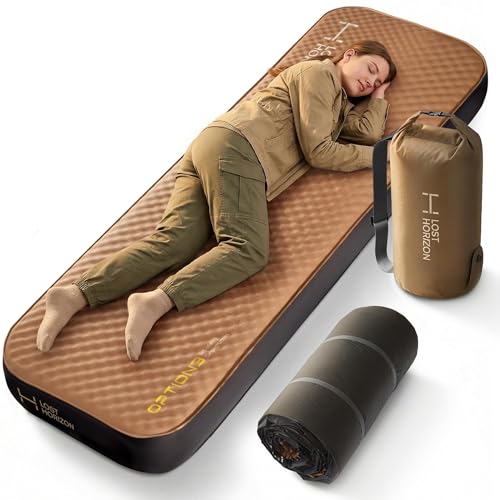
Lost Horizon Option3 Self-Inflating Mattress, Cot

Lost Horizon Option3 Self-Inflating Mattress, Twin

Lost Horizon Option3 Self-Inflating Mattress, Slim Single

Lost Horizon Option3 Self-Inflating Mattress, Full
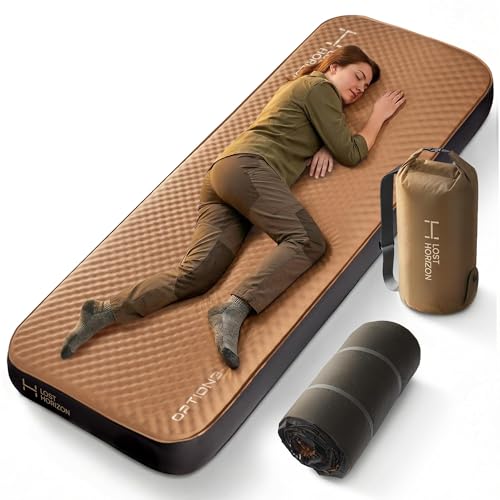
Lost Horizon Option3 Self-Inflating Mattress, Single
Taking A Closer Look At The Options
The Releep 3-Inch Dual-Sided Memory Foam Camping Mattress stands out because it pulls double duty between a memory-foam topper and a roll-up sleeping pad. The dual-sided foam design, where one side cradles pressure points and the firmer side delivers stable support, gives you options depending on how your body feels that night.
It rolls out flat on a cot, drops into a tent floor, or unfurls across a guest room when relatives visit. The included portable pillow and carry bag keep packing simple for campers who want one piece of gear to handle weekend trips and overnight guests alike. Compared with the bulkier self-inflating pads below, this one feels more like a slice of home you can take outside.
Reasons It Performs
- Dual-sided foam lets you flip between cushioned softness and firmer lumbar support as needed
- Three-inch thickness raises you off cold ground and rough terrain
- Water-resistant surface handles tent condensation and damp grass without soaking through
- Roll-up design with included carry bag fits in a car trunk without dominating cargo space
- Works equally well as a guest bed at home, saving you from storing a separate mattress
Things To Consider
- Memory foam runs warmer than self-inflating pads, which may matter on humid summer nights
- The rolled-up bundle is longer than a folded foam pad, so packing it in a backpack takes planning
Who It Suits Best
Weekend campers, road-trippers, and anyone hosting overnight guests who wants one comfortable surface that works indoors and out.
Where Another Pick Suits Better
Backpackers counting every ounce should look at the Lost Horizon Option3 Self-Inflating Mattress, Single, which is built for lighter loads on the trail.
The ONETIGRIS SUPRATIROS Extra Large Camping Cot earns its spot because it solves the most common complaint about standard cots: they feel short and narrow. At 31.5 inches wide and 86.6 inches long, this frame gives restless sleepers room to sprawl without their elbows leaving the bed.
The height-adjustable extending legs let you dial in a higher setup that mimics a real mattress, which makes getting in and out easier on stiff knees. The 300D Oxford fabric stretches across the frame with a tear-resistant weave that handles repeated setup cycles. Where the Releep pad above is a mattress, this is the cot that holds it, so the two pair naturally if you want layered comfort on a long car-camping trip.
Everyday Wins
- Oversized 31.5-by-86.6-inch sleeping surface accommodates tall sleepers and broad shoulders
- Adjustable leg height makes entry and exit easier for older campers or anyone with limited mobility
- Sturdy frame supports up to 400 pounds without flexing under load
- 300D Oxford fabric resists tearing, water, and general wear across many seasons
- Folds flat for transport, fitting across the back seat of most SUVs
Trade Offs
- Fabric alone gives a taut, slightly hammock-like feel without a foam layer on top
- Larger packed footprint than compact cots, which can crowd a small tent vestibule
- Assembly takes longer than a basic cot, so practice the setup at home before your first trip
Made For
Taller sleepers, side sleepers who shift around, and anyone car camping where comfort outweighs pack size.
Consider Something Else When
Travelers sleeping in the back of a compact SUV will find the Lost Horizon Option3 Self-Inflating Mattress, Slim Single easier to fit in a tight cargo area.
The Lost Horizon Option3 Self-Inflating Foam Camping Mattress in Queen size transforms a large family tent into something resembling a real bedroom. Four and a half inches of foam filling, around 13 pounds of it, creates the thickest, most residential-feeling sleep surface in this roundup.
The self-inflating design (you open the valve and open-cell foam does the rest, with a few breaths to top it off) means less wrestling at the campsite after a long drive. It handles up to 440 pounds, so two adults plus a dog landing on it at once will not bottom out the pad. Set it up in a backyard as a guest bed, then roll it into the car for the next trip.
The Value In It
- Queen footprint sleeps two adults comfortably without the squeeze of a twin
- 4.5-inch foam core provides real mattress depth, not just a thin layer over ground
- Self-inflating mechanism cuts setup time and eliminates the need for a pump
- 440-pound capacity handles couples plus gear weight without compressing flat
- Doubles as a guest-room mattress at home when not on a trip
Room For Improvement
- 13-pound foam weight is substantial for any hike from the parking lot to the campsite
- Queen size demands a large tent footprint, so smaller two-person tents will not fit it
Key Advantages
Best Suited To
Couples car camping in a roomy family tent and households wanting a queen that works indoors and out.
A Better Fit Elsewhere
Solo travelers will get the same foam comfort in a smaller package from the Lost Horizon Option3 Self-Inflating Mattress, Single.
The Lost Horizon Option3 Self-Inflating Foam Camping Mattress in the Cot size is purpose-built for owners who already have a cot frame and want to soften the taut fabric surface. The 4.5-inch thickness and 5.5-pound foam fill add real cushioning without ballooning your pack weight.
Unroll it across a standard cot, crack the valve, and watch the foam cells pull air in on their own. It tops out at a 220-pound capacity, which fits most solo sleepers comfortably. Where the ONETIGRIS cot above gives you height and a fabric sling, this pad sits on top of that sling to give you foam softness.
A Few Strong Suits
- Cot-specific dimensions match common cot frames without overhang or bunching
- 4.5-inch foam adds genuine padding over a taut fabric sling
- Self-inflating valve cuts setup to a single step plus a few breaths
- Lightweight 5.5-pound foam fill stays manageable for short walks from the car
Honest Caveats
- 220-pound capacity rules out two adults sharing one cot pad
- Requires a separate cot frame, so it is not a standalone sleep solution
Perfect Match For
Campers who already own a cot and want to upgrade from fabric-only sleeping to foam comfort on their next trip.
Look Elsewhere When
Sleepers without a cot frame should consider the Releep 3-Inch Dual-Sided Memory Foam Camping Mattress, which works directly on the ground.
The Lost Horizon Option3 Self-Inflating Foam Camping Mattress in Twin size hits a sweet spot for solo campers who want more room than a single pad offers. At 4.5 inches thick with 8.5 pounds of foam filling, it gives you extra elbow room without the bulk of a queen.
The 300-pound capacity handles heavier solo sleepers and gear piled at the foot of the bed. It drops neatly into a three-season tent and serves well as a permanent guest bed for a home office or studio. Self-inflation does the heavy lifting, leaving you to fine-tune firmness with a few breaths.
The Practical Payoff
- Twin footprint gives solo sleepers room to spread out without sharing
- 8.5-pound foam fill balances cushioning with manageable pack weight
- 300-pound capacity supports a wider range of body types
- Doubles as a bunk bed pad, guest mattress, or floor sleeper at home
Points To Keep In Mind
- Heavier than a true backpacking pad, so it suits car camping more than long trail walks
- Twin length may feel short for sleepers over six feet tall
Feature Snapshot
Right Fit For
Solo campers with room to spare in the car who want extra sleeping space without committing to a full queen.
Reach For A Different Pick When
Couples sharing a tent will appreciate the wider Lost Horizon Option3 Self-Inflating Mattress, Full instead.
The Lost Horizon Option3 Self-Inflating Foam Camping Mattress in Slim Single size solves the van-life and small-tent problem. At 62 by 26 inches, it slips into spaces where a regular single pad simply will not fit, like the back of an SUV or a one-person backpacking tent.
The 3-inch profile is thinner than the rest of the Option3 lineup, but the open-cell foam still insulates against cold ground and softens hard tent floors. It rolls up small enough to stash beside a cooler or under a seat. For campers prioritizing compact storage over plush depth, this pad hits the mark.
Where It Delivers
- 62-by-26-inch footprint fits narrow vehicle interiors and one-person tents
- 3-inch foam still provides meaningful insulation from cold ground
- Compact rolled size frees up cargo space for other gear
- Self-inflating valve keeps setup fast and pump-free
Practical Considerations
- Thinner profile means less cushioning for side sleepers with sharp hip pressure points
- Not wide enough for sleepers who shift or roll during the night
Whose Shelf It Belongs On
Van dwellers, solo road-trippers, and minimalist backpackers who need a foam pad that fits in tight spaces.
Swap It Out When
Campers with full-size tent space will sleep more comfortably on the Lost Horizon Option3 Self-Inflating Mattress, Single.
The Lost Horizon Option3 Self-Inflating Foam Camping Mattress in Full size lands in the middle of the lineup, smaller than a queen but roomier than a twin. The 4.5-inch thickness and 12-pound foam fill create a sleep surface that feels like a real bed, which matters when the campsite is also your home for two weeks.
With a 440-pound capacity, it handles two sleepers, a kid plus a parent, or one restless sleeper who treats every night like a rotation drill. Self-inflation means you skip the pump, and the foam stores rolled for months between trips without losing shape.
Useful Strengths
- Full-size dimensions balance sleeping room and tent compatibility
- 12-pound foam core delivers 4.5 inches of cushioning
- 440-pound weight capacity handles pairs of sleepers without flattening
- Self-inflating valve keeps setup quick after a long travel day
Where It Is Less Suited
- Full footprint still demands a larger tent than compact backpacking shelters
- 12-pound packed weight rules out long hike-ins from the trailhead
Who Should Grab It
Two sleepers sharing a tent who want foam comfort without stepping all the way up to a bulky queen.
Another Choice May Suit
Couples with extra tent space will appreciate the larger Lost Horizon Option3 Self-Inflating Mattress, Queen for more stretching room.
The Lost Horizon Option3 Self-Inflating Foam Camping Mattress in Single size wraps up the roundup as the most packable foam option. With 6.5 pounds of foam filling and a 4.5-inch profile, it carries deeper cushioning than most backpacking pads while staying manageable on the trail.
The 220-pound capacity fits a wide range of solo sleepers, and self-inflation cuts camp setup to a single step. It rolls tight enough to slide into a duffel or strapped to a pack lid. For campers who want foam comfort without hauling the weight of a full or queen, this is the practical answer.
Everyday Advantages
- 6.5-pound foam fill keeps pack weight reasonable for short hike-ins
- 4.5-inch cushioning outranks most ultralight inflatable pads
- Self-inflating design removes the pump from your packing list
- Single size slips into backpacking tents and hammock setups
Some Limits To Know
- 220-pound capacity rules out heavier sleepers or sharing the pad
- Foam absorbs moisture over time, so storing it bone-dry between trips extends its life
Built With In Mind
Solo backpackers and weekend campers who want foam comfort without the bulk of larger mattress sizes.
Skip It When
Sleepers who shift side to side all night will sleep better on the wider Lost Horizon Option3 Self-Inflating Mattress, Twin.
What To Weigh Before Choosing Camping Cot Mattresses
Matching Size To Sleep Style And Shelter
The right footprint depends on how you sleep and where you set up. Side sleepers and restless movers need at least a twin to avoid sliding off the edge. Campers squeezing into a one-person tent or van should measure the floor first, then check pad dimensions, since the Slim Single at 62 by 26 inches fills narrow spaces that a twin simply will not. Couples sharing a tent usually find the Full or Queen comfortable enough to feel like a real bed, while solo campers with extra room appreciate the elbow space a twin provides.
Thickness, Foam Density, And Ground Feel
A 4.5-inch foam pad feels dramatically different from a 3-inch one when you are lying on rocky ground for hours. Thicker pads insulate better against cold soil and soften pressure points at the hips and shoulders. The foam fill weight signals density, since pads with more foam per cubic inch tend to hold shape longer across many seasons. For occasional weekend use, a 3-inch pad gets the job done, but frequent campers usually find the upgrade to 4.5 inches worth it.
Capacity Ratings And Real-World Load
Weight capacity numbers describe the maximum load before the foam compresses flat. Solo campers up to around 200 pounds fit comfortably in pads rated for 220 pounds, while couples should look at the 440-pound Full and Queen options. Staying well under the stated capacity extends foam life and keeps the pad feeling springy over more nights.
Pack Weight, Storage, And Lifespan
Self-inflating foam pads weigh more than air-only inflatable mattresses, but they also tend to last longer and handle rougher use. Rolling them tight for storage rather than stuffing them into a bag preserves the foam cells. Drying the pad fully before long-term storage prevents mildew and keeps the foam from breaking down. Campers who treat gear kindly tend to get many seasons from a single pad.
Common Pitfalls And Smart Upgrades
Wrong Turns To Avoid
Many shoppers grab the thickest pad they see without checking the packed size, only to find it will not fit in their pack or car. Others pick a narrow pad because it saves space, then spend the night sliding off the edge. Buying a pad without checking the tent floor dimensions also leads to awkward overhang or wasted space.
Where The Extra Money Goes
Stepping up to a thicker pad with more foam fill weight delivers deeper cushioning and better cold-weather insulation. Higher capacity ratings typically reflect denser foam that bounces back after compression, which translates to a pad that feels new for more seasons. Premium pads often include better valve hardware and tougher outer fabrics, two details that show up the moment you wrestle the pad into and out of its storage bag night after night.
Frequently Asked Questions
How thick should a camping cot mattress be?
For most campers, 4.5 inches of foam delivers the comfort of a home mattress without excessive pack weight. Thinner 3-inch pads work for warm-weather trips and tight storage but feel firmer under the hips and shoulders.
Can I use a camping cot mattress at home as a guest bed?
Yes, most foam camping pads double as guest beds, especially the Full, Queen, and Twin sizes from the Lost Horizon lineup. The self-inflating design rolls out flat on any floor and stores away when visitors leave.
Do self-inflating pads need a pump?
No, you open the valve and the open-cell foam expands on its own. A few breaths through the valve top off the firmness, and closing the valve holds the air in place overnight.
How do I clean a foam camping pad?
Spot-clean the cover with mild soap and water, then air-dry the pad completely before rolling it up. Avoid soaking the foam, since trapped moisture can lead to mildew over time.
How long do foam camping cot mattresses last?
With proper care, including dry storage and gentle rolling rather than aggressive stuffing, foam camping pads typically last several seasons of regular use. Heavier foam fill weights tend to outlast thinner pads because the foam resists permanent compression.
The Takeaway
The right camping cot mattress comes down to where you sleep, how you sleep, and how much you haul. Car campers with room to spare get the most from a thick Full or Queen, backpackers benefit from the lighter Single, and anyone with an existing cot frame can layer foam comfort with the Cot-size pad. Pick the size and thickness that match your shelter and sleep style, store it dry between trips, and your next night outdoors will feel a lot closer to sleeping in your own bed.