
A good camping cooler does more than hold ice. It quietly decides whether your weekend tastes like cold drinks at sunset or warm sandwiches by noon. The seven picks below cover tailgates, base camps, work sites, and quick day trips, so you can match capacity, weight, and features to the way you actually camp.
A Snapshot Of The Selections

YETI Tundra Haul Portable Wheeled Cooler

Carhartt Insulated Dual Compartment Lunch Box
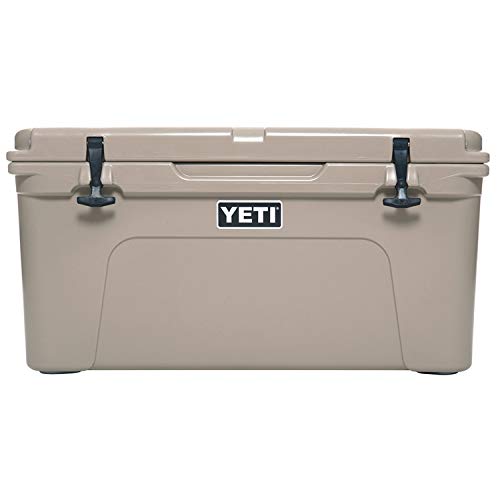
YETI Tundra 65 Cooler (Desert Tan)

Puffin The Spa Robe Insulated Can Cooler

Coleman Classic Series Insulated Portable Rolling Cooler

Dometic CFX Electric Portable Freezer

Coleman Classic Series Insulated Portable Cooler
The Details Behind The Selections
The Tundra Haul brings YETI’s signature rotomolded body onto wheels, a quiet nod to anyone tired of dead-arming a 50-pound cooler through a sandy parking lot. The wheeled frame turns a serious haul into a one-person job, which makes it useful far beyond the campsite, think beach days, river put-ins, and early-morning farmers’ runs.
Where this cooler earns its keep is on long walks between the truck and the fire pit. The insulation matches what you already trust from a standard Tundra, so cold retention is not the compromise. Compared with the Coleman rolling options below, you trade high capacity for a tougher shell and noticeably better ice life.
Notable Upsides
- Rotomolded, single-piece shell that resists cracking under rough loading
- Wheels and a pull handle let one person move a heavy load
- Matches YETI’s established ice retention in real outdoor heat
- Built to survive drops, scrapes, and the inside of a truck bed
Points Worth Weighing
- Heavier than soft coolers, even on wheels, so stair climbs take effort
- Capacity sits between compact day coolers and full tailgate beasts, limiting group use
Feature Card
Whose Trail This Belongs On
It suits campers who haul gear far from the parking lot and want a single cooler that can take a beating without losing ice life.
Consider Another Pick When
Feeding a full tailgate crew points you toward the Coleman Classic Series Insulated Portable Rolling Cooler instead, which trades shell strength for sheer volume.
The Carhartt lunch box earns its spot by being the kind of cooler you forget is there until the shift ends. The dual-compartment layout keeps a sandwich separate from a cold drink, so condensation on the bottle does not soak the bread. That small bit of layout logic makes a real difference on a 10-hour day.
It is not a tailgate cooler, and pretending otherwise will only disappoint. Where the Tundra Haul handles ice for days, this one handles a long workday in the dust. If your idea of “camping” includes a service road or a jobsite tailgate, this is the realistic pick.
Real Benefits
- Heavy-duty fabric that shrugs off grease, dirt, and abrasion
- Dual-zone storage separates food from drinks and ice packs
- Soft shell folds flat for storage in a drawer or locker
- Light enough to carry one-handed across a parking lot
Honest Caveats
- Insulation is sized for a single shift, not multi-day ice retention
- Too small to serve as a primary trip cooler for more than one person
Made For
It fits trades, contractors, and field workers who need a rugged lunch bag that survives the truck cab and the trailer hitch.
Reach For A Different Pick When
Anyone planning family-sized camp meals should jump to the Coleman Classic Series Insulated Portable Cooler for actual meal-scale capacity.
The Tundra 65 is the cooler most people picture when they hear the brand. Its rotomolded shell is built like a small tank, and the FatWall design adds serious foam thickness, helping ice last through long, hot days where softer coolers give up by lunchtime. The certified bear-resistant rating is a meaningful detail if you camp anywhere with active wildlife.
Pair that toughness with rubber T-Rex lid latches, and you get a cooler that takes rough handling without the latch failures that ruin cheaper boxes. It is heavier and slower to move than the wheeled Haul above, so think of this as a base-camp anchor rather than a hike-in companion.
Everyday Perks
- PermaFrost insulation with up to 3 inches of foam thickness for extended cold
- Bear-resistant certification useful in wilderness areas
- Heavy-duty rubber latches that resist breakage over years
- Spacious enough for a limit of fish or a packed family weekend
Trade-Offs To Consider
- Empty weight is substantial, so loading it solo takes planning
- Ice life claims depend on careful pre-chilling and shade, which you have to manage yourself
Feature Card
Right Fit For
It is built for base-camp campers, hunters, and anglers who want ice to last several days and a shell that survives hard use.
Look Elsewhere When
Overlanders running solar setups will get more flexibility from the Dometic CFX Electric Portable Freezer, which chills actively instead of just holding cold.
The Puffin sleeve is a different animal from anything else on this list. It wraps a single 12 or 16 oz can or bottle in thick insulation, turning a warm truck-cab drink into a properly cold one for the walk to the picnic blanket. Calling it a “cooler” is generous, but it solves a real problem that big hard coolers ignore.
Where the YETI and Coleman options are about volume, this is about one drink, kept right. It folds flat, weighs almost nothing, and slips into a daypack or a beach tote, which makes it a useful complement to a larger cooler rather than a replacement.
Advantages To Know
- Insulated sleeve keeps a single can colder longer than a bare hand ever could
- Snug fit for both 12 oz and 16 oz tall cans and bottles
- Packs flat for travel and everyday carry
- Useful for tailgates, boat decks, and poolside afternoons
Small Caveats
- Holds one drink at a time, so it does not replace a real cooler for group use
- Fabric insulation needs a quick rinse and air dry to avoid odor buildup
Feature Card
Who Will Love This
It fits day-trippers, beach goers, and anyone who wants one cold drink to survive a long walk without dragging a full cooler.
Not Your Match When
Feeding a family of four means stepping up to the Coleman Classic Series Insulated Portable Cooler for real food-grade capacity.
The rolling Coleman is the family-camp workhorse. Its 6-inch all-terrain wheels and dual tow handles let you pull a fully loaded cooler across gravel and grass without dragging it, which is the difference between an easy setup and a strained back. The large capacity is the real headline here, sized for group weekends and tailgates rather than solo trips.
It does not pretend to match the YETI shell for raw abuse, and that is fine. Where the Tundra 65 earns its keep in the backcountry, this Coleman earns its keep in the campground loop with electrical hookups and a quick drive back to the car.
Why It Works Well
- All-terrain wheels handle uneven campground and parking-lot surfaces
- Large capacity suited to family meals and full coolers of drinks
- Insulated body and lid designed for extended ice life in warm weather
- Dual tow handles give two-handed control on slopes and ramps
Points To Keep In Mind
- Bulkier than most soft coolers, so it takes real trunk space
- Best ice life requires pre-chilling and keeping the cooler in shade, a step some owners skip
Feature Card
Best Suited To
It is a natural fit for families, car campers, and tailgaters who prioritize capacity and easy rolling over heavy-duty shell strength.
Skip It When
Backcountry campers hauling gear into remote sites will find the Tundra 65 Cooler easier to pack into a truck and trust in rough terrain.
The Dometic CFX is a different category of cooler entirely. Instead of holding ice, it runs a compressor to actively chill its contents, meaning your food stays at a chosen temperature regardless of how warm the outside air gets. For van life, overlanding, or long trips where ice runs out, that active cooling is the whole point.
Power flexibility is the second big story. AC, DC, and solar compatibility let you run it from a wall outlet, a vehicle socket, or a panel on the roof, which is exactly what remote campers need. The 35L capacity is the sweet spot for a couple or a small family weekend.
The Case For It
- Compressor cooling keeps a precise temperature rather than just holding cold
- AC, DC, and solar power options for camp, car, or off-grid use
- 35L capacity fits a couple’s weekend or a solo long-haul trip
- Lower long-term power draw than a traditional home fridge in a small space
Practical Considerations
- Heavier than passive coolers of similar capacity
- Requires a power source or battery planning for every trip
- Ventilation clearance matters in enclosed truck canopies and tight tent setups
Feature Card
Perfect Match For
It serves overlanders, van dwellers, and off-grid campers who already plan around power and want real refrigeration on long trips.
A Better Fit Elsewhere
Anyone camping without a vehicle power source is better served by the Tundra 65 Cooler, which needs only ice and shade.
The Coleman Classic series is the cooler most people grew up using, and the modern version still earns its place. The fully insulated body and lid are rated for up to 5 days of ice retention in 90°F conditions, a number that lands well in real family-camping use when the cooler stays in the shade. The swing-up handles make two-handed lifting simple, and the have-a-seat lid adds a useful extra at the campsite.
Compared to the wheeled Coleman above, this static version is more packable and easier to store. You give up the rolling convenience, but you gain a smaller footprint that fits neatly in a trunk or a garage shelf.
Points In Its Favor
- Up to 5 days of ice retention in typical campground heat
- Swing-up handles keep the cooler compact when not in use
- Have-a-seat lid rated for typical sit-down weight at the campsite
- Multiple size options to match group size and trip length
Where It May Fall Short
- No wheels, so fully loaded sizes take two hands and a clear path
- Best ice life requires pre-chilling and shade, which adds setup steps
Who Should Grab It
It fits weekend family campers, RV users, and casual tailgaters who want dependable ice life without paying for premium shell construction.
Another Choice May Suit
Anyone hauling heavy loads across rough ground should look at the Coleman Classic Series Insulated Portable Rolling Cooler for wheels and tow handles.
Picking The Right Cooler For The Way You Camp
Match Size To Trip Length
A solo overnighter rarely needs more than a small cooler, while a family of four on a long weekend can empty a 70-quart box before sundown on day two. Capacity decisions shape everything else, from ice budget to trunk space, so anchor the size choice to your typical trip length and group rather than to a marketing number.
Choose Insulation That Matches Climate
Insulation depth, often called wall thickness, is the difference between ice that lasts through dinner and ice that gives up by lunch. Rotomolded coolers with thick foam walls handle heat far better than thin-walled budget boxes, but they also weigh more. For desert or southern summer camping, that weight is almost always worth it.
Decide Between Wheels, Handles, And Shoulder Carry
How you move the cooler matters as much as how cold it keeps things. Wheeled models like the YETI Haul and rolling Coleman save your back on long walks, while shoulder-strap soft coolers win on stairs and uneven trails. Match the carry style to the terrain between the parking lot and the campsite, not the store shelf.
Think About Power And Ice Logistics
Passive coolers run on ice, which means planning meltwater, refills, and a nearby ice source. Active electric coolers like the Dometic CFX run on batteries and panels, which means planning power capacity instead. Neither approach is universally better, but mixing them in your head is the fastest way to overpack.
What To Watch For Before You Buy
Pitfalls Shoppers Hit
Plenty of campers size up at the store and regret it on the trail. A cooler that swallows the trunk is hard to load around, while a too-small cooler forces extra ice runs that eat up the savings. Capacity also gets misread when shoppers ignore ice volume, since a half-full cooler of ice plus food is a different real-world count than the dry can number on the box.
Another common misstep is choosing a soft cooler for multi-day ice needs or a hard cooler for short hikes where weight matters more than ice life. Match the build to the trip length, not the other way around.
Where The Extra Money Goes
Higher-tier coolers earn their premium through thicker insulation, rotomolded construction, and hardware that survives years of rough use. Latches, hinges, and gaskets tend to be the first things to fail on cheaper boxes, so a cooler with stronger parts often outlasts two budget replacements. The trade-off is real weight and a higher upfront spend, so weigh it against how often you actually camp.
Frequently Asked Questions
How long should ice last in a quality camping cooler?
In shaded conditions with a full load, a well-built rotomolded cooler can hold ice for 3 to 5 days. Lighter hard-sided coolers typically manage 2 to 3 days, and soft coolers usually fall somewhere between 1 and 2 days.
Are wheeled coolerers harder to maneuver on uneven ground?
Wheels help a lot on flat pavement and firm dirt, but they struggle on loose sand, mud, and rocky slopes. For those surfaces, a traditional hard cooler with strong handles is often easier to manage.
Can a camping cooler double as a seat?
Some hard coolers advertise a have-a-seat lid, and many do support typical sit-down weight. Soft coolers should never be used as seating, since the frame is not designed to handle that load.
How do you clean a cooler after a trip?
Empty it, rinse with mild soap and warm water, and let it dry fully with the lid open. A baking soda rinse helps with odor, and storing it slightly open prevents musty smells between trips.
Do electric coolers really work off solar power?
A compressor cooler will run off solar when paired with a battery or a panel that matches its draw. Direct solar without a buffer struggles on cloudy days, so plan around realistic conditions rather than marketing claims.
Closing Remarks
The right camping cooler matches the way you actually camp, from quiet car-camping weekends to long-haul overland routes. Start with the trip you take most often, then build outward from there. A well-matched cooler quietly disappears into the trip, which is exactly what good gear should do.