
Cooking outdoors asks a lot from a blade. Humidity swings, dirty produce, and cramped prep tables mean your usual kitchen workhorse may not cut it at the campsite. This roundup pairs compact folders with full-size kitchen options, so you can find a cutter that travels well and still handles weeknight prep at home.
The Picks In Brief

Babish 6.5 Inch Santoku Knife High Carbon 1.4116 German Steel
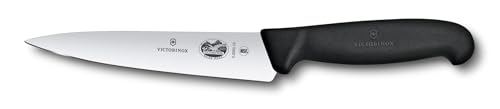
Victorinox Fibrox 6 Inch Straight Edge Chef’s Knife, Black

Victorinox Fibrox Pro 8 Inch Chef’s Knife, Black
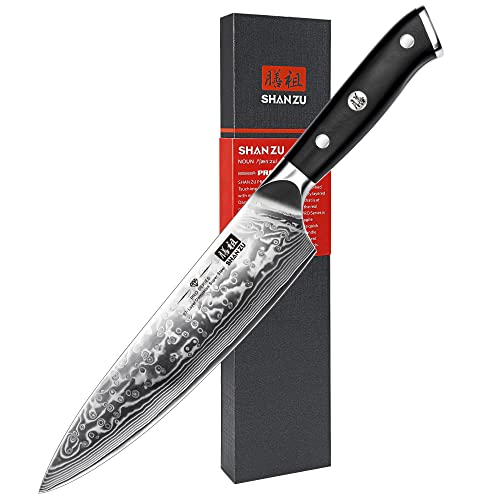
SHAN ZU 8 Inch Japanese Steel Damascus Chef Knife

Global 8 inch, 20cm Chef’s Knife, Silver

WÜSTHOF Classic 5″ Boning Knife, Black

imarku Japanese Chef Knife-Sharp Kitchen Knife 8 Inch
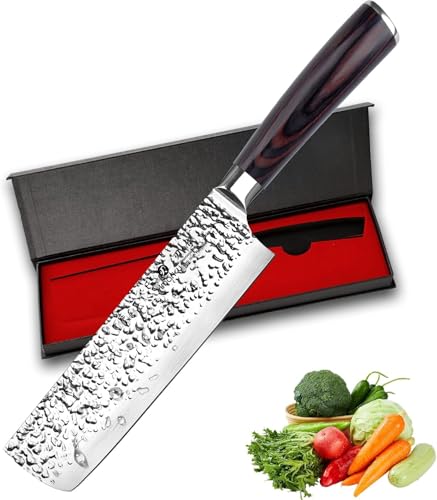
imarku 7 Inch Nakiri Knife, Razor Sharp Japanese
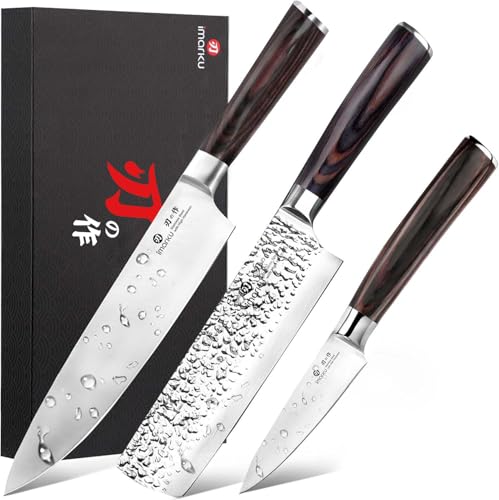
imarku 3-Piece HC Stainless Kitchen Knife Set, Pakkawood

TACRAY 4.4″ Folding Camping Chef Knife, G10 Handle
The Picks, Examined More Closely
The Babish 6.5-Inch Santoku packs a slim profile that suits tight prep corners, whether that’s a folding camp table or a small apartment counter. Its 1.4116 German steel core (a mid-range stainless formulation widely used in cutlery) gives you a balance between edge retention and corrosion resistance, which matters when humidity creeps up near a lake or coastal site.
Compared with the taller Victorinox Fibrox Pro, this blade sits shorter and flatter, so rock-chopping herbs and onions feels more controlled. You give up the rocking curve of a western chef’s knife, but you gain a lighter footprint that packs into a soft-sided kitchen bag without weighing you down.
Notable Upsides
- Slender 6.5-inch profile handles small cutting boards and crowded camp tables well.
- High-carbon 1.4116 steel holds a working edge through multi-meal prep sessions.
- Full-tang construction supports confident downward cuts on tougher produce.
- Lighter than full-size chef’s knives, so arm fatigue stays low during longer prep.
Things To Consider
- Hand-washing and prompt drying are widely recommended to prevent any staining along the high-carbon edge.
- The flat edge means less natural rocking motion than a curved chef’s knife.
Key Product Details
Built With In Mind
Home cooks who want one dependable knife for both weeknight dinners and shorter camp trips where counter space is tight.
Swap It Out When
Reach for the TACRAY Folding Kitchen Chef Knife when backpacking space matters more than a full chef’s profile.
The Victorinox Fibrox 6-Inch brings a textured Fibrox handle to the table, the same polymer grip that appears in many commercial kitchens. That non-slip surface pays off when hands are damp, greasy, or gloved at the cook tent.
Versus the Babish santoku, this is a straighter-edge western profile with a curved belly that supports rocking cuts. The 6-inch length lands between paring and full chef’s size, so it handles onions, mushrooms, and smaller proteins without dominating your kit bag.
What Stands Out
- Lightweight build reduces wrist strain during repeated prep at the campsite.
- Textured Fibrox handle stays grippy when wet or greasy.
- Compact 6-inch blade fits standard camp kitchen drawers and soft cases.
Worth Noting
- Edge retention falls behind higher-carbon blades, so expect more frequent honing on multi-day trips.
- Plastic handle feels less premium than full-tang wood or composite options.
Whose Shelf It Belongs On
Value-focused campers and small-space dwellers who want a kitchen-capable blade that travels light.
Look Elsewhere When
Pick the SHAN ZU Damascus Chef Knife if the visual style of layered steel and a longer 8-inch reach matter more to your setup.
The Fibrox Pro 8-Inch extends the same grippy handle into a longer western chef’s profile. The extra two inches over the 6-inch model give you more knuckle clearance and longer strokes for slicing roast, squash, or larger fruit.
Where the Babish santoku trades the rocking curve for a flat edge, this knife keeps that traditional belly. Cleanup ranks as one of its strengths, since the manufacturer rates it dishwasher safe, a practical perk after messy campfire cooks.
Where It Delivers
- 8-inch length covers most camp-meal proteins and produce with room to spare.
- Rated dishwasher safe for faster cleanup after multi-pot meals.
- Textured Fibrox grip supports confident cuts in wet, outdoor conditions.
Trade Offs
- Longer blade demands more cutting-board space than the 6-inch Fibrox.
- Stainless formula loses its edge faster than high-carbon options like the imarku gyutou.
The Right Fit
Family cooks and group-camp hosts who need one longer blade to handle varied meals and want simpler cleanup.
Not Your Match When
Step up to the imarku Nakiri Knife 7 Inch if vegetable prep dominates your menu and you prefer a flat-edge push cut.
The SHAN ZU Damascus uses a 10Cr15MoV core (a Chinese stainless steel comparable to Japanese VG-10 equivalents) wrapped in layered Damascus cladding. The result is a harder working edge than the Fibrox Pro, plus that signature wavy pattern on the blade face.
Compared with the Global 8-Inch below, this one relies on a Western-style handle for grip, while the Global goes handle-less with seamless stainless. You give up some of Global’s minimal weight, but you gain a more traditional grip for users who like a defined bolster.
Positive Points
- Higher hardness rating helps the edge stay sharp through multiple camp meals.
- Layered Damascus cladding adds corrosion resistance around the harder core.
- Western-style handle offers a familiar grip for newer owners.
Points To Note
- Harder steel can chip if you twist against bone or hard stems, common in campfire prep.
- Requires hand-washing and drying to keep the cladding pattern looking clean.
Best Suited To
Style-minded home cooks who split time between a fitted kitchen and a cabin or basecamp with proper cleaning access.
Consider Something Else When
Turn to the WÜSTHOF Classic 5″ Boning Knife when processing whole chickens or fish at camp is the main task.
The Global 8-Inch stands apart for its all-stainless construction: blade and handle are sanded into one continuous piece, with dimples along the grip for control. The molybdenum/vanadium steel (a stainless alloy known for edge retention) sits on the harder side of typical chef’s knives.
Set against the SHAN ZU’s patterned cladding, this knife reads as a single silver sweep. That seamless build reduces food traps at the handle joint, useful when washing up at a camp sink with limited soap.
Real-World Strengths
- Lightweight balance reduces arm fatigue during multi-course prep.
- Dimpled handle keeps grip secure even when hands are wet or oily.
- Seamless stainless build limits spots where residue can build up.
Honest Caveats
- All-metal handle feels cold and can be slippery with bare, dry hands.
- Hard steel demands careful use against bones to avoid chipping.
Feature Snapshot
Made For
Minimalist cooks who want a sleek, easy-to-sanitize blade for both home kitchens and clean basecamp setups.
Skip It When
Choose the Victorinox Fibrox 6-Inch if a lighter, shorter grip-friendly knife suits your pack better.
The WÜSTHOF Classic 5-Inch Boning Knife brings a narrow, curved blade designed to slide along bones. For campers who hunt, fish, or buy whole chickens at a rural market, that profile handles trimming work the broader chef’s knives can’t.
Versus the multi-purpose Victorinox Fibrox Pro, this is a focused tool rather than an all-rounder. The semi-flexible blade tracks ribcages and joints, while the full-tang, triple-riveted handle gives you the leverage to pop through cartilage.
The Value In It
- Curved 5-inch profile traces bones closely for cleaner meat yield.
- Full-tang, triple-riveted build supports heavy pressure cuts.
- Classic handle shape fits users who like a defined grip during long sessions.
Less Ideal Details
- Specialized shape means it can’t replace a chef’s knife for general produce prep.
- Smaller 5-inch reach limits its usefulness on very large cuts.
Who Will Love This
Hunters, anglers, and anyone breaking down whole proteins at camp or in a home butchery setup.
A Better Fit Elsewhere
Go with the imarku 3-Piece Knife Set if your camp menu is broader and you need a chef’s knife plus supporting blades in one bundle.
The imarku 8-Inch Gyutou leans into a Japanese-style profile with a flatter edge and a curved tip, blending push cuts with light rocking. The high-carbon stainless steel aims to keep a sharper working edge than entry-level western knives.
Set next to the Global 8-Inch, this blade uses a traditional Western-style handle rather than a seamless metal grip, which gives newer owners a more familiar hold. You trade some of Global’s minimalist look for an easier learning curve at the cutting board.
The Upside
- High-carbon stainless formula holds a keen edge for detailed slicing.
- 8-inch length suits most home and cabin kitchens.
- Multi-purpose gyutou shape handles proteins, vegetables, and fruit.
Potential Drawbacks
- Higher carbon content means prompt drying after washing is widely recommended.
- Factory edge may need a quick touch-up on a whetstone for best results.
Quick Facts
Perfect Match For
Newer cooks who want a sharper-feeling Japanese profile without stepping into custom-handle pricing.
Reach For A Different Pick When
Pick the imarku Nakiri Knife 7 Inch if your prep leans heavily toward vegetables and you prefer a flat, push-cut blade.
The imarku 7-Inch Nakiri uses a straight, flat edge with a 15-degree per side grind (an acute sharpening angle that favors precision over toughness). That profile excels at push-cutting through cabbage, carrots, and herbs without the rolling motion of a curved chef’s knife.
Compared with the imarku Gyutou above, this one drops the pointed tip in favor of a squared-off nose. You lose some utility for breaking down proteins, but you gain cleaner vertical cuts through stacks of vegetables, which suits plant-forward camp meals.
Well-Handled Touches
- Flat edge powers through dense vegetables with straight downward strokes.
- 15-degree acute grind supports very clean, paper-thin slices.
- 7-inch length balances blade control with usable cutting surface.
Soft Spots
- Acute edge geometry can chip on hard seeds, bones, or frozen food.
- Straight edge limits rocking cuts that a chef’s knife handles naturally.
Who Should Grab It
Plant-focused cooks and meal-preppers who slice big batches of vegetables at camp or at home.
Another Choice May Suit
Try the Babish 6.5 Inch Santoku when you want a flatter blade but still need a tip for occasional protein work.
The imarku 3-Piece Set bundles a chef’s knife, a utility blade, and a paring knife under one Pakkawood handle (a resin-impregnated hardwood that resists moisture). For a camper moving from kitchen to basecamp, that trio covers most prep tasks without buying blades one at a time.
Set against the single-blade picks above, this set spreads thinner across specialty roles. You pay a small premium over a single knife, but you skip the guesswork of matching blade shapes to your cooking style.
The Good Stuff
- Three blades cover slicing, trimming, and detail work in one bundle.
- Pakkawood handles resist moisture swings better than bare wood.
- 15-degree edges on each blade support clean cuts across the set.
Points To Keep In Mind
- Set pricing runs higher than a single mid-range chef’s knife like the Victorinox Fibrox Pro.
- Multiple blades mean more items to dry, store, and transport.
Right Fit For
First-time knife owners and newly outfitted campers who want a matched set rather than piecing blades together.
Where A Sibling Pick Shines
Pick the TACRAY Folding Kitchen Chef Knife if you’d rather carry one compact blade than a three-knife roll.
The TACRAY Folding Chef Knife is the only true folder on this list, packing a 4.4-inch blade into a G10 handle (a fiberglass-laminate grip valued for toughness and texture). The folding design keeps the edge covered during transport, which matters when you’re packing into a bear-aware camp or shared vehicle.
Compared with the full-size Victorinox Fibrox 8-Inch, this knife trades reach for portability. You give up the long strokes that big squash or roast demand, but you gain a blade that slips into a daypack pocket alongside a stove and spork.
Points In Its Favor
- Folding design keeps the edge shielded during transport.
- G10 handle texture stays grippy in cold or wet weather.
- 10Cr15MoV stainless steel balances hardness with corrosion resistance.
Where It May Fall Short
- 4.4-inch blade limits how much you can prep at once.
- Folding joints require periodic cleaning to keep out grit and food residue.
Feature Rundown
Made For
Backpackers, kayak campers, and road-trippers who want one blade that travels safely without a separate sheath or roll.
Not Your Match When
Pick the SHAN ZU Damascus Chef Knife if you’re cooking from a car camp with a full cutting board and want longer slicing strokes.
Choosing a Blade That Travels and Cooks Well
The right outdoor knife balances portability with cutting performance, and the trade-off shows up fast at a cramped camp table. Consider how you actually cook outdoors before picking a profile.
Blade Length and Pack Footprint
A 4.4-inch folding knife fits a backpack pocket, while an 8-inch chef’s blade needs a rigid sheath or knife roll. Longer blades cover more prep in fewer strokes, but they demand real cutting-board space. Campers cooking for two on a small table usually land somewhere in the 6-to-7-inch range, while solo backpackers tend to favor sub-5-inch folders.
Steel Type and Outdoor Wear
High-carbon stainless steels hold a keener edge but can show staining if left damp. Standard stainless forgives neglect but dulls faster, asking for more frequent honing on multi-day trips. Salt-air campers and rainforest travelers should weight corrosion resistance heavily, while dry-climate campers can prioritize edge retention without much worry.
Handle Grip in Wet Conditions
Polymer and G10 handles stay grippy when wet, while polished stainless can feel slick with bare, dry hands. A defined bolster helps newer cooks keep their grip aligned during push cuts. The handle choice matters more outdoors than at home, where humidity is steady and hands stay clean.
Intended Camp Menu
Vegetable-heavy cooking favors flat-edge nakiri and santoku profiles, while protein-heavy cooking leans toward curved chef’s knives and boning blades. Hunters and anglers should pair a folding chef’s knife with a dedicated boning blade, like the WÜSTHOF Classic 5-Inch reviewed above.
Key Considerations Across These Picks
Common Buying Slip Ups
The biggest miss is choosing a long, beautiful blade that doesn’t fit your pack or table. A 10-inch gyutou looks appealing but turns into dead weight on a backpacking trip. Another trap is ignoring grip material: a slippery handle on a damp morning can ruin a sharp steel choice. Match the knife to the actual cooking scenario, not the dream version of it.
Where the Extra Money Goes
Higher-tier picks like the SHAN ZU Damascus and the Global 8-Inch spend the premium on harder steel, refined grinds, and tighter tolerances. That translates to longer edge life and cleaner cuts, but it also raises maintenance expectations. The upgrade pays off for cooks who sharpen on whetstones and dry blades promptly; it adds friction for those who want a low-care tool.
Frequently Asked Questions
What size knife works best for camping?
A 6-to-7-inch blade hits the sweet spot for most campers. It handles onions, proteins, and vegetables without dominating a small prep area, and it fits standard camp kitchen kits. Backpackers who need to save space often step down to a 4-to-5-inch folder instead.
Can a regular kitchen chef’s knife work for camping?
Yes, a standard kitchen chef’s knife works well for car camping and basecamp cooking where you have a stable cutting surface and proper cleaning access. The catch comes during transport: rigid sheaths or knife rolls become necessary to protect the edge and your gear. For backpacking, a folding design is usually safer.
How do you keep a camping knife from rusting?
Hand-washing, prompt drying, and a light coat of food-safe oil before storage go a long way. Higher-carbon stainless steels like 10Cr15MoV resist rust better than basic stainless, but no blade is fully maintenance-free in damp outdoor conditions. A small cloth or paper towel takes seconds and prevents most corrosion issues.
Are folding kitchen knives safe for camp cooking?
Folding kitchen knives with a reliable locking mechanism are safe for camp cooking, provided you keep the joint clean and free of debris. The lock should hold the blade firmly open during use, and you should never force a fold with food or fingers still on the blade. A locked-open folder behaves like a fixed blade once deployed.
Should I bring a separate knife for meat and vegetables at camp?
One well-cleaned chef’s knife handles both roles for most campers, but a dedicated boning knife helps if you break down whole chickens or fish. Cross-contamination risk is lower outdoors with open-air drying, but wiping the blade between proteins and produce is still a sensible habit, especially in warm weather.
Closing Remarks
The best camping chef knife is the one you’ll actually pack, sharpen, and clean without fuss. Match the blade length and profile to your cooking style, pick a grip that holds up to damp hands, and your camp meals will go smoother from the very first night out.