
Setting up a base camp after sundown, sorting through a dark tent, or riding out a long power outage at home, all of it comes down to the same thing: light you can trust. A great camp lantern throws a wide, even glow without glare, runs long enough to forget about, and survives an accidental drop onto gravel. The seven picks below cover everything from heavy-duty rechargeable workhorses to compact retro-style accents, so you can match the right glow to your kind of trip.
The Leading Options At A Glance

Duracell Tri-Power Rechargeable Lantern 3000 Lumens
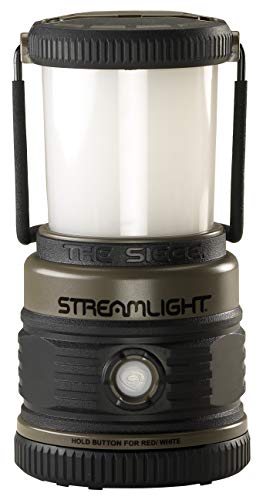
Streamlight 44931 Siege Compact Lantern (Coyote)
Consciot CL1 Mini Dual Light Sources LED Lantern

Yonktoo Camping Lantern Rechargeable 6400mAh
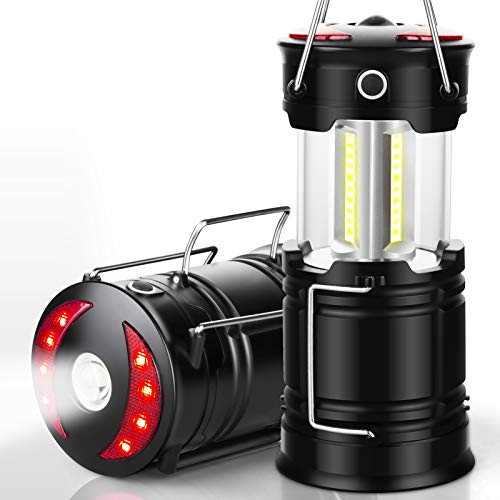
EZORKAS 2 Pack Camping Lanterns

ropelux LED Camping Lantern Rechargeable 1500lm

RadiantFlux Rechargeable Solar Camping Lantern
The Strengths Of Each Pick
The Duracell Tri-Power earns its spot by solving a real frustration: keeping a powerful lantern charged when you’re far from a wall outlet. It runs on solar, an internal rechargeable cell, or Qi wireless charging (a cable-free method where you set the device on a compatible pad), and you can drop in alkaline batteries as a backup. Three output modes stretch the runtime, with the lowest setting promising up to 50 days on standard cells.
At full power it pushes 3000 lumens (a lumen measures how much visible light a source emits), enough to flood a group campsite or light a garage during a long outage. The size is substantial, so this one belongs in a car trunk or a base-camp bin rather than a backpack. Where it really pulls ahead of the Streamlight on this list is charging flexibility; you can top it up from a power bank, a pad, or the sun, and skip carrying a proprietary cable.
Practical Advantages
- Three charging paths (solar, Qi, USB) plus alkaline backup reduce the chance of a dead lantern
- 3000-lumen high mode handles large group spaces and emergency rooms alike
- Eco mode stretches runtime dramatically, useful on extended blackout nights
- Sturdy housing suitable for indoor and outdoor use without babying
- Doubles as a versatile power solution: one device covers multiple charging preferences
Things To Consider
- Larger and heavier than compact picks like the Streamlight 44931
- Highest output drains the cell quickly, so plan around the lower modes for long sessions
Who It Suits Best
Group campers, families building an emergency kit, and anyone who wants one lantern that handles wall-power outages and remote trips without a separate charger.
Consider Something Else When
Backpackers counting ounces should reach for the Streamlight 44931 Siege Compact Lantern instead, since it shrinks the kit noticeably.
Where the Duracell is built for group base camps, the Streamlight 44931 Siege is built for packs, pelicans, and pickup seats. The Coyote version brings a warm, neutral tone that hides dirt and looks at ease in a vehicle or a wall tent. The body is engineered to take real abuse, and the rubber base keeps it planted on slick picnic tables or boat decks.
It pushes 540 lumens on high with a 360-degree pattern, which is plenty for reading, cooking, and lighting a two-person tent. Three white modes plus a red LED (red light preserves night vision, the chemical adaptation your eyes undergo in darkness) with steady and SOS (an internationally recognized distress flash pattern) give you real versatility for pre-dawn hikes or roadside breakdowns. Battery life is the headline feature here, though the exact runtime depends on which cells you load and which mode you run.
What Works In Its Favor
- Compact, packable body with a tough polymer shell that shrugs off drops
- Red night-vision mode with SOS flash for trail or emergency signaling
- Top hanging hook and bottom stows flat, very useful inside small tents
- Reasonable output for solo and small-group use without weighing you down
Worth Noting
- Brightness is modest next to the 3000-lumen Duracell
- Owners commonly report the rubber base attracts dust in dry, gritty environments
Made For
Solo backpackers, hunters, and anyone who needs a lantern they can toss in a pack and forget about until the trail goes dark.
A Better Fit Elsewhere
If you want a centerpiece lantern for a family campsite or a long power outage, the Duracell Tri-Power delivers far more output and charging options.
The Consciot CL1 is the mood lantern of the group, the one that earns a permanent spot on a bookshelf between trips. Its retro silhouette and warm glow feel more like a piece of decor than a piece of gear, but it still pulls duty as a working light. The dual-source design pairs a 6500K top LED (a “K” rating, or Kelvin, indicates color temperature, where 6500K is a cool, daylight-style white) for reading with a softer side panel for ambient evenings.
Stepless dimming (a continuous brightness slider with no fixed stops) gives you precise control rather than the typical three-mode jump. Battery power keeps it portable, and the compact form factor means you can carry it from tent to picnic table to porch without thinking. Compared with the heavy-duty Duracell at the top of this list, the CL1 trades brute output for charm and versatility, and most users will find the lumen count modest but the experience well considered.
The Good Stuff
- Retro styling that doubles as table decor at home or at camp
- Dual light sources cover both task lighting and warm ambient glow
- Stepless dimming lets you set the exact mood you want
- Compact size works on a bedside table or inside a small tent
Trade Offs
- Not built for large-area floodlighting like the ropelux or Duracell
- Battery-powered design means stocking cells for long trips
Right Fit For
Glampers, patio entertainers, and anyone who wants a lantern that looks as good as it performs.
Look Elsewhere When
Backcountry campers needing long runtime and weatherproofing should pick the Yonktoo Camping Lantern instead, since it offers a rechargeable battery and stronger ingress protection.
The Yonktoo is the workhorse for multi-day trips and storm-season basements. A 6400mAh internal battery (milliamp-hours, a measure of stored energy; higher numbers mean longer runtime) powers both the lantern and a USB-out port for topping up a phone in a pinch. Runtime stretches to roughly 300 hours on lower settings, which is enough to leave it running for a long weekend without a wall outlet.
IPX5 waterproofing means the lantern shrugs off rain and splashes (an IP rating classifies dust and water resistance; IPX5 handles jets of water but not full submersion). Five lighting modes, including a warm white and a red setting, cover everything from map reading to stargazing. You may find the brightest mode a touch dim compared with the Duracell Tri-Power, but the tradeoff is a much lighter pack footprint.
Where It Excels
- Multi-day runtime on lower modes, ideal for blackout kits
- Power bank function keeps a phone alive during an emergency
- IPX5 rating handles rain and accidental drops into puddles
- Red light mode protects night vision at trailheads or campsites
Honest Caveats
- Top-end brightness is well below the Duracell’s 3000-lumen ceiling
- USB charging cable adds another item to your packing checklist
Best Suited To
Car campers, hurricane-prep households, and frequent travelers who want a rechargeable lantern that pulls double duty as a backup charger.
Skip It When
Anyone chasing maximum brightness for a large area should pick the ropelux 1500lm lantern instead, since it floods a bigger space per charge.
The EZORKAS 2-Pack solves the “one lantern isn’t enough” problem without inflating the kit list. You get two collapsible COB LED units (COB, or “chip-on-board,” packs many small diodes into a single bright panel for wide, even light) that fold down small enough to live in a glove box or a kitchen drawer. Four lighting modes cover the usual camp tasks, and the lightweight shells are easy for kids or older kids at heart to handle.
360-degree coverage makes each unit a competent area light rather than a directional beam. The trade-off shows up in raw brightness: these aren’t going to out-shine the Duracell Tri-Power or even the ropelux. For family tents, gift bundles, or stashing one in the car and one at home, the value math works out well.
A Few Strong Suits
- Two-lantern bundle covers tent and cooking areas at once
- Collapsible design saves space in packs and drawers
- Rechargeable and battery-friendly operation for flexible use
- Strong fit for first-time campers learning the gear basics
Points To Note
- Light output is modest compared to single high-lumen options like the Duracell
- Plastic shells can scuff with heavy travel, so handle with reasonable care
Who Should Grab It
Families new to camping, gift shoppers, and anyone who wants a backup lantern in every closet without paying a premium per unit.
Reach For A Different Pick When
Solo adventurers chasing a single, durable, high-output light should pick the Streamlight 44931 instead, since it offers more ruggedness per ounce.
The ropelux lantern is the multi-tool of the list. Rather than a single 360-degree glow, it splits its output across a front beam, a taillight, and side floodlights, giving you eight distinct modes that handle everything from trail navigation to area lighting. At 1500 lumens on high, it sits comfortably between the modest Consciot and the heavy-hitting Duracell.
The red strobe on the taillight adds an emergency signaling option that the more decor-focused picks skip. Rechargeable battery power keeps it cord-free, and a roughly 12-hour standby claim on lower modes means it can sit in a roadside kit without frequent charging. Most users will find the mode count generous without being overwhelming once you learn the button pattern.
Everyday Perks
- Eight lighting modes cover task, area, and emergency use in one body
- 1500-lumen ceiling handles large tents and small trailheads
- Red strobe adds a signaling function for breakdowns
- Rechargeable cell cuts down on disposable battery waste
Room For Improvement
- More complex button layout takes a day to learn
- Heavier than the Streamlight, so backpackers will notice the weight
Whose Shelf It Belongs On
Preppers, roadside emergency kits, and campers who want a single lantern that doubles as a flashlight and a signaling device.
Swap It Out When
Backpackers who prize simplicity over versatility should pick the Streamlight 44931 instead, since its fewer modes are easier to operate one-handed on the trail.
The RadiantFlux closes the list with the most storm-ready profile in the group. IP65 waterproofing (dust-tight and protected against water jets, a step up from the Yonktoo’s IPX5 rating) means rain, sand, and the occasional drop into a puddle are all in a day’s work. A 6600mAh battery pairs with a built-in solar panel for topping off during the day, plus USB-C input for faster wall charging.
Three lighting modes keep operation simple, and 4000 lumens on the highest setting put it in the same conversation as the Duracell at the top of the list. The lantern also functions as a power bank with a USB-A output port, useful when a phone becomes a lifeline. Where it pulls ahead of the Yonktoo is ruggedness and ceiling brightness; the trade-off is a slightly heavier pack weight and a price tag that reflects the build.
What Earns Its Place
- IP65 weather sealing handles serious rain and dust storms
- 4000-lumen top mode competes with premium-tier lanterns
- Solar backup plus USB-C input covers long off-grid stretches
- Power bank output turns the lantern into a multi-day emergency hub
Points To Keep In Mind
- Heavier than minimalist picks like the Streamlight 44931
- Solar charging is slow, so plan to use USB-C for primary top-ups
Perfect Match For
Off-grid homesteads, hurricane-prep kits, and overlanders who need a single lantern that survives weather and recharges itself when possible.
Not Your Match When
Lightweight backpackers should pick the Yonktoo Camping Lantern instead, since it offers similar charging flexibility at a lower carry weight.
What To Weigh Before Choosing Camp Lanterns
Brightness is the first spec shoppers check, but it can mislead you. A 3000-lumen lantern sounds like a clear upgrade over a 540-lumen one, yet on a small picnic table it simply blasts everyone’s eyes. Match the output to the space: under 600 lumens for tent reading, 1000 to 1500 for a family table, and 2500-plus for group sites or living-room outage coverage.
Runtime deserves equal weight. Look for the lowest-mode hours, not the headline figure, since that’s how you’ll actually run the lantern for hours-long evenings. Rechargeable batteries save money long term, but verify the charging port type; USB-C has largely replaced older micro-USB on newer models.
Waterproofing matters more than marketing suggests. IPX5 (water jets) handles rain, while IP65 (dust-tight plus water jets) shrugs off storms and sand. Weight is the silent deal-breaker: every gram in a pack earns its place, so backpackers should look under 10 ounces and accept lower brightness as the trade.
Picking Through The Lantern Aisle
Pitfalls Shoppers Hit
Chasing the highest lumen number often leads to lanterns too bright for their actual use. A 3000-lumen beam bouncing off a tent wall creates glare instead of usable light. Pick the lumen band that matches your common space rather than the ceiling.
Ignoring ingress protection (the standardized IP rating that defines how well a lantern resists dust and water) is the second common miss. A lantern rated only for indoor use fails fast in a wet campsite or a damp basement. Look for at least IPX4 for occasional rain, IPX5 or better for serious weather exposure.
Where The Extra Money Goes
Premium lanterns usually spend the budget on three things: tougher housings, larger batteries, and refined charging options. A metal or reinforced polymer body survives drops a budget plastic shell does not, and a 6000mAh-plus cell keeps the lantern running through a multi-day outage.
Higher-tier models also tend to add solar backup, USB-C input, and power-bank outputs. The upgrade pays off for anyone using the lantern off-grid or as part of an emergency kit. For casual backyard use, the value picks still get the job done without the extras.