
A good camp burner stove turns a cold tent night into a hot meal, but the wrong one can leave you chasing a flame in the wind. Campers packing a sedan, backpackers counting ounces, and families feeding six at a tailgate all need different hardware. This lineup covers that full range, from solo canister systems to two-burner tabletop griddles.
A Side-By-Side Look

Coleman Cascade 18 1-Burner Camping Stove 8000 BTUs
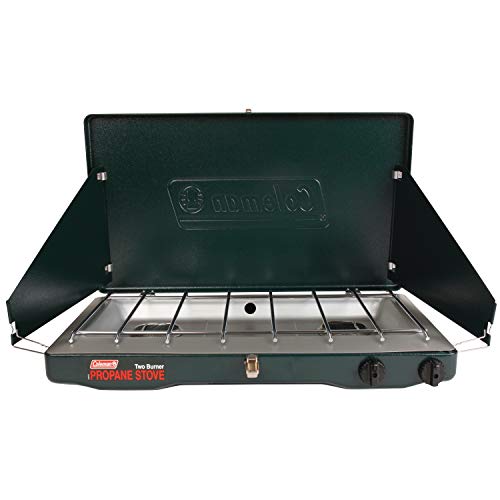
Coleman Classic Propane Camping Stove 2 Burner

Jetboil Jetpower Fuel 450g Canister

Jetboil MightyMo Ultralight Camping and Backpacking Stove

Jetboil Stainless Steel Pot Support

MSR PocketRocket 2 Ultralight Mini Stove Kit

Camp Chef Leg Levelers 4-Pack Black

Coleman Tabletop 2-in-1 Grill and Stove

Jetboil Flash 1.0L Portable Fast Boil Stove Mountainscape
A Deeper Look At The Lineup
The Cascade 18 is the kind of single-burner setup that earns its place in a trunk without crowding it. An aluminized steel cooktop sheds spills fast, and a knob rotation gives finer simmer control than older twist-valve camp stoves. Compared with the heftier Coleman Classic two-burner that follows, this one is built for the camper who only needs to boil water or fry a couple of eggs at a time.
Matchless rotary ignition is genuinely useful at dawn when your fingers are cold and matches are damp. The detached grate flips 180 degrees, which makes the whole unit pack flatter in your cargo area. For most weekend car campers, the 8000 BTU output handles a 10-inch skillet with no real complaint.
Useful Highlights
- Matchless rotary ignition removes the need to pack lighters or matches on short trips.
- Detachable grate and built-in regulator storage cut the packed footprint noticeably.
- Aluminized steel cooktop wipes down fast, which helps on multi-day trips without running water.
- Knob rotation is improved over older Coleman single-burner designs, giving real low-heat control.
- Wide enough to host a 12-inch pan without tipping, useful for one-pan family breakfasts.
Things To Consider
- Single-burner format means simultaneous coffee and eggs require juggling.
- Propane cylinder is sold separately, so plan for an extra purchase on day one.
Who It Suits Best
Solo car campers and couples who mostly want a reliable flame for coffee, soup, and a single skillet.
Where Another Pick Suits Better
Families cooking two pans at once will get more use out of the Coleman Classic Propane Camping Stove 2 Burner covered next.
This Coleman Classic has earned its reputation the slow way: by showing up at basecamps for decades. Two adjustable burners push up to 20000 total BTUs, enough to host a 12-inch and a 10-inch pan side by side. The wind-blocking panels do meaningful work on breezy ridges where the Cascade single-burner above would struggle.
Pressure-control technology is the part most shoppers overlook. It keeps flame output steady when the propane tank starts dipping in cold air, which matters when the morning temperature hovers near freezing. Runtime stretches about an hour on high from a 16.4 oz cylinder, so plan accordingly for dinner service.
Benefits That Matter
- Two independent burners let you run a main dish and a side without swapping pots.
- Wind-blocking panels keep the flame usable in conditions that kill lesser stoves.
- Pressure regulation smooths output in cold weather, an underrated feature for shoulder-season trips.
- Proven durability means many families hand these down across camping generations.
Worth Noting
- Bulky at 4.1 x 21.9 x 13.7 inches, so it eats real trunk space.
- No built-in ignition is mentioned, so a striker or long-reach lighter comes in handy.
- Hour-long runtime on high demands spare fuel for weekend trips.
Made For
Family basecamps and group sites that cook real meals and need two pans running at once.
Skip It When
Backpackers should reach for the Jetboil MightyMo instead, since this unit is built for vehicle-based camping.
Fuel canisters do not get flashy, but they decide whether your stove actually lights at altitude. The Jetboil JetPower blend mixes propane and isobutane to keep vapor pressure higher when temperatures drop. That chemistry matters more than the gram count for shoulder-season camping above the treeline.
The 450-gram size splits the difference between a weekend canister and an expedition refill. Most backpackers can carry one and still hit trail weight targets, then ship a second if the trip runs long. One safety note that owners commonly repeat: never try to swap a canister onto a hot or recently used burner.
Real Benefits
- Higher vapor pressure than pure butane, so cold mornings do not kill the flame.
- Standard thread works across the Jetboil lineup, including the MightyMo and Flash covered here.
- Compact cylinder fits upright in most pack side pockets without a stabilizer base.
Points To Note
- Not interchangeable with the 1-pound propane bottles that feed the Coleman Classic above.
- Air travel restrictions mean you usually source these at your destination, not in your checked bag.
Best Suited To
Anyone running a Jetboil system on overnight or multi-day trips into cold conditions.
Consider Something Else When
Vehicle campers using the Coleman Classic two-burner need standard 1-pound propane bottles, not Jetboil canisters.
The MightyMo earns its name by boiling water in roughly three minutes while drinking about half the fuel of older canister systems. The four-turn regulator is the standout detail, because it walks the flame from a true simmer up to a rolling boil instead of jumping between extremes. Backcountry cooks chasing sautéed vegetables or thickened sauces notice the difference fast.
Its open platform design separates it from the closed-system Jetboil Flash covered later. You can drop your own pan onto the burner, which means real one-pot dinners rather than just rehydrated meals. The trade-off is wind exposure without the integrated FluxRing pot, so a small windscreen becomes a smart add-on above the treeline.
Everyday Advantages
- Fuel efficiency reduces the number of canisters you carry on multi-day routes.
- Precise regulator control supports real cooking, not just boiling water.
- Open platform accepts your own cookware, which matters if you already own a favorite pot.
- Lightweight build keeps pack weight down for fast-and-light setups.
Honest Caveats
- Without the FluxRing pot, wind cuts flame output noticeably more than on closed systems.
- Relies on Jetboil canisters, so cold-weather performance still depends on fuel choice.
Feature Snapshot
Whose Trail It Belongs On
Backpackers who want to cook real food rather than only boil water, especially on multi-day routes.
Not Your Match When
Coffee-only campers chasing the simplest setup should consider the Jetboil Flash 1.0L, which is more beginner-friendly.
Accessories like this rarely get attention, but a Jetboil pot support turns a one-trick burner into a flexible cooking platform. The stainless steel arms lock onto the burner base with folding flanges, then fold flat for pack-down. That small step unlocks frying pans, the Jetboil 1.5L FluxRing pot, and most traditional camp cookware.
For anyone whose cooking style stretches beyond boiling, this is the cheapest upgrade on the list. Owners commonly mention leaving it attached between meals because swapping takes only a few seconds. The honest read is that it feels like an obvious add-on only after you have used a Jetboil system a few times.
Useful Touches
- Folding flanges lock securely and stow flat for tight pack space.
- Compatible with most Jetboil burners, including the MightyMo covered above.
- Opens the system to real pans and skillets, expanding meal variety at camp.
- Stainless steel resists corrosion after repeated exposure to flame and moisture.
Minor Gripes
- Adds a small weight penalty that ultralight counters may resent.
- Useful only with a Jetboil burner, so it pairs poorly with non-Jetboil systems.
Key Product Details
Right Fit For
Existing Jetboil owners who want to cook with their own pans instead of only the bundled cup.
A Better Fit Elsewhere
Stove-only shoppers without a Jetboil system will get more use from the MSR PocketRocket 2 kit covered next.
The PocketRocket 2 has long been the reference point for ultralight canister stoves, and this kit version wraps the burner in a small cook-and-eat system. The 0.75-liter aluminum pot, 16-ounce bowl, and lid-strainer combo collapse into a tight stuff sack. A solo hiker who counts every gram can fit the whole kit in a jacket pocket.
The burner itself boils a liter of water in about three and a half minutes, which is competitive with the Jetboil MightyMo covered above. The difference shows up in weight and footprint, not in speed. You give up the integrated FluxRing heat exchanger, but you gain a pot that doubles as a drinking vessel thanks to its insulated grip.
The Upside
- Tiny packed size suits thru-hikers and bikepackers with frame-bag-only packing.
- Pot doubles as a mug or bowl, cutting the need for extra dishware.
- Lid with straining ports simplifies pasta nights and dehydrated meals.
- Fast boil time keeps fuel use modest on short trips.
Worth Bearing In Mind
- No built-in ignition, so a lighter or matches are part of the kit.
- Open flame design loses heat to wind without a screen in exposed campsites.
- Pot capacity tops out at 0.75 liters, so group meals are off the table.
Built With In Mind
Minimalist solo backpackers and bikepackers prioritizing weight over meal size.
Look Elsewhere When
Couples cooking real dinners should look at the Coleman Tabletop 2-in-1 instead, since this kit is sized for one.
Leg levelers solve a problem you only think about once a stove tips over mid-pour. The threaded design adjusts each leg up to 2.5 inches, so a slanted picnic table or gravel campsite stops being a cooking hazard. The four-pack format covers the corners on most two-burner tables.
Installation is genuinely simple: you just insert each piece into the bottom of the stove leg and twist to set the height. Owners commonly report that once you start using levelers, they never come off the stove. The trade-off is one more piece to track when packing, though they weigh almost nothing.
The Helpful Details
- Adjusts up to 2.5 inches per leg, enough to handle most campsite slopes.
- Self-cleaning threaded design shrugs off grit and dust from travel.
- Easy-grip profile twists without needing extra tools in the field.
- Four-pack format matches common two-burner and table setups.
Small Caveats
- Not universal: confirm stove leg diameter matches before purchase.
- Mostly cosmetic and functional for tabletop stoves, less useful on canister systems.
Perfect Match For
Campers using two-burner tables on gravel, dirt, or sloped tent pads who hate chasing a rolling pot.
Swap It Out When
Backpackers running ultralight canister stoves like the MSR PocketRocket 2 do not need levelers since those systems rest on the ground.
The 2-in-1 design here is the real story: grill grates and a separate burner sit side by side, so burgers and a side dish happen at the same time. Push-button ignition saves the morning scramble for a striker. Compared with the Coleman Classic two-burner earlier in this list, this one trades a second stove burner for actual grilling surface area.
Wind guards on the sides help in the same conditions that challenge any open-flame setup. A grease tray catches drips for easier cleanup, which tailgaters especially appreciate when packing out at the end of a long afternoon. Non-skid feet keep the unit planted while you stir a pot.
What Makes Sense
- Grill and stove run independently, doubling what you can cook at once.
- Push-button starter removes the need for matches during early-morning sessions.
- Removable chrome-plated grate simplifies cleanup after greasy cooks.
- Wind guards protect burners from gusts that would otherwise snuff small flames.
Factors To Consider
- Grilling surface is smaller than a full-size camp grill, so plan portions accordingly.
- Grease tray and removable grate mean a few extra parts to clean and pack.
- Best suited to flat surfaces, since grill grates are awkward on uneven ground.
Feature Card
Who Should Grab It
Tailgate hosts and family campers who want burgers and a burner in one box.
Another Choice May Suit
Pure backpackers chasing fast boil times should reach for the Jetboil MightyMo instead of this tabletop format.
The Jetboil Flash closes this list the way many camping days actually start: with a half-twist of the knob and hot coffee in two minutes. One-step automatic ignition removes the need for matches entirely, which is a small but real upgrade over earlier Jetboil models. The 1.0L cooking cup doubles as a mug, so you skip packing a separate dish for sunrise.
Compared with the open-platform MightyMo above, this unit trades cooking flexibility for fast heat-transfer and wind resistance. The integrated FluxRing design wraps the burner in a tight heat-exchange cup, so fuel efficiency climbs in exposed camps. Anyone whose morning routine centers on coffee, oatmeal, or freeze-dried meals will appreciate the streamlined approach.
Real-World Strengths
- Auto ignition removes the cold-finger match ritual at dawn.
- Two-minute boil time gets hot drinks and meals in your hands quickly.
- Integrated FluxRing boosts fuel efficiency in windy alpine camps.
- Cooking cup doubles as a serving mug, trimming pack weight.
Less-Strong Areas
- Closed cup design limits cookware flexibility, so real sauté work is awkward.
- Relies on Jetboil canisters, which can be tricky to source in some regions.
The Right Fit
Coffee-first backpackers and minimalist campers who mostly heat water rather than cook full meals.
Reach For A Different Pick When
Camp cooks who want to simmer sauces or fry in their own pans should pivot to the Jetboil MightyMo instead.
Picking The Right Camp Burner Stove For Your Setup
The right camp burner stove depends less on a single feature than on how you actually cook outside. Backpackers counting ounces want canister systems like the MSR PocketRocket 2 or the Jetboil Flash, where every gram earns its keep. Family campers driving to a site can carry the heftier Coleman Classic two-burner or the Coleman Tabletop 2-in-1 grill without complaint. The Jetboil MightyMo sits in a useful middle ground for people who cook real meals but still want fuel efficiency.
Fuel type matters more than most newcomers expect. Standard 1-pound propane bottles power the Coleman two-burners and the Tabletop 2-in-1, which means easy sourcing at any hardware store. Jetboil and MSR canister stoves use threaded isobutane-propane blends that perform better in cold weather but require either buying ahead or sourcing in town. Wind performance is the other quiet differentiator: integrated cup designs and wind-blocking panels keep flames alive when open burners gutter out.
Build materials shape long-term ownership more than peak output does. Aluminized steel cooktops wipe clean fast, while chrome-plated grates handle grease but need a brush. Stainless steel pot supports and leg levelers tend to outlast their plastic counterparts, especially after a few seasons of pack-down abuse. Match the stove to your typical climate and cook style, and the rest tends to fall into place.
Quick Reference Points Across The Lineup
Wrong Turns To Avoid
A common trap is buying a stove based on peak BTU output alone. Higher numbers look impressive, but a 20000 BTU two-burner delivers no benefit if it sits unused because the camper only boils water. Another slip-up is ignoring fuel logistics: canister stoves can be hard to refill in remote areas, while propane-bottle stoves cannot board airplanes. Matching fuel availability to your travel plans prevents the most common field frustrations.
Why Top Tier Costs More
The premium tier in this category usually pays for fuel efficiency, wind performance, or integrated ignition rather than raw heat. A FluxRing-style cooking cup recirculates heat that would otherwise escape, which is why premium Jetboil systems stretch a small canister across multiple meals. Auto ignition and pressure regulation add convenience and cold-weather reliability, both of which matter on longer trips. The upgrade pays off when you actually use the stove in conditions that stress cheaper designs.