
Spending a long day on a trail without easy water access is one of those small miseries that can ruin an otherwise great outing. The right hydration pack quietly solves that, keeping fluid accessible without forcing you to stop, dig through a daypack, or skip a drink when you’re already thirsty. Trail runners, weekend hikers, mountain bikers, and parents wrangling kids on the path each face a slightly different carry problem, so this list covers a spread of options, from a no-frills replacement valve to a full-size pack with room for layers and snacks.
The Picks In Brief

MARCHWAY Tactical Molle Hydration Pack with 3L TPU Water Bladder

Outdoor Hydration Vest for Running & Hiking with 2.0L Bladder

CamelBak Big Bite Replacement Hydration Pack Valve
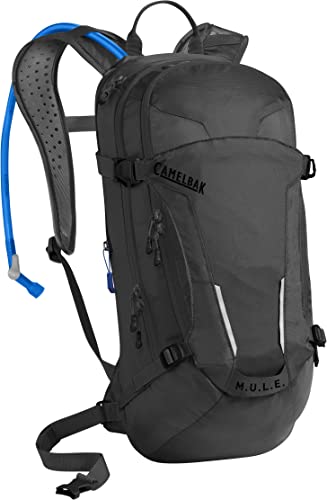
CamelBak M.U.L.E. Mountain Bike Hydration Pack

Criuage USA Patent Running Hydration Vest Backpack with 2.0L Bladder

Zelvot Kids Hydration Backpack with Water Bladder

CamelBak Cloud Walker 18 Crux Reservoir Hiking Hydration Backpack
What Each Pick Brings To The Table
The MARCHWAY pack earns its spot at the top for one simple reason: it stays put. The sculpted 19.5″x8.7″x2.6″ profile hugs the back, and the trio of adjustable sternum, waist, and shoulder straps keeps the load from swinging when the trail turns uneven. For anyone bouncing between hiking, cycling, and running, that locked-in feel matters more than a slightly bigger reservoir would.
There’s real thought behind the comfort details. Air-mesh on the back panel moves heat away from the spine, and the shoulder straps carry enough padding for a full-day load. The 3L TPU (thermoplastic polyurethane, a flexible, BPA-free plastic) bladder is roomy enough for long outings without forcing you to refill at every stream crossing.
Everyday Perks
- Stabilized three-point strap system keeps the pack from bouncing on technical terrain
- Air-mesh back panel improves airflow, useful on humid summer climbs
- Thick shoulder strap padding reduces hot spots over long distances
- 3L TPU bladder capacity handles most day hikes without a refill
- Tactical Molle webbing on the front offers attachment points for add-ons
Worth Noting
- Slim profile leaves little room for bulky layers or a packed lunch beyond the bladder sleeve
- Nylon shell can feel warm against bare skin on hot, dry stretches
- Tubing routing benefits from occasional repositioning mid-hike
Right Fit For
Multi-sport day-trippers who want one pack that handles a 10-mile hike, a bike loop, and a trail run without skipping a beat.
Swap It Out When
If your priority is full-day comfort with ventilation and room for layers, the CamelBak Cloud Walker 18 is the better match.
This Criuage vest sits closer to the body than the MARCHWAY, which makes it a natural pick for runners and anyone chasing vertical feet. The bounce-free chest harness is the headline feature here, and during fast descents or technical terrain, the difference between a swinging pack and a snug one is enormous.
The 2L bladder is enough for a 90-minute run or a short half-day hike, and the vest form factor spreads weight across the chest instead of the lower back. Unlike bulkier packs, this one stays cool under effort, which matters when your heart rate is already climbing.
What Helps Most
- Low-profile vest design reduces vertical bounce during trail running
- Lightweight construction feels closer to wearing a jersey than a pack
- 2L bladder suits most races and fast hikes without weighing you down
Soft Spots
- Limited storage beyond essentials, so carrying a rain shell is a squeeze
- Smaller bladder means refills on longer routes
Made For
Trail runners and marathon hikers who prize agility and don’t need to haul extra layers.
Consider Something Else When
For full-day outings where snacks, layers, and a rain shell matter, the CamelBak Cloud Walker 18 is the stronger pick.
Not every carry problem needs a new pack. The CamelBak Big Bite Valve is the part most likely to wear out first: the silicone mouthpiece that sees constant bite pressure, sun, and grit. Replacing it extends the life of an otherwise perfectly good reservoir, which is why it earns its spot here.
The patented one-piece silicone design delivers consistent flow and self-seals when released. For anyone with an older CamelBak whose valve has gone stiff, leaky, or just plain slow, this small swap restores the drinking feel of a brand-new pack.
Key Advantages
- Restores flow and seal on aging reservoirs without replacing the whole bladder
- Self-sealing design cuts drips in the pack and on clothing
- Standard CamelBak fit makes installation a straightforward swap
Honest Caveats
- Only useful for owners of compatible CamelBak reservoirs
- Silicone can stiffen over years of use, just like the original
Built With In Mind
Existing CamelBak owners whose pack is fine but whose valve has seen better days.
Where A Sibling Pick Shines
If your whole reservoir needs replacing, a fresh pack like the CamelBak Cloud Walker 18 makes more sense than a valve-only repair.
The M.U.L.E. is a long-running favorite among mountain bikers, and the current version earns that reputation. The Air Director back panel channels airflow across the spine, which matters when you’re climbing a fire road under a hot sun with the throttle wide open.
Inside, a 3-liter Crux reservoir (CamelBak’s higher-flow bladder design) delivers water faster than older CamelBak generations, so you spend less time biting and more time riding. The 12-liter total storage swallows tools, tubes, snacks, and a packable shell, which is exactly what a serious ride demands.
Positive Takeaways
- Air Director back panel keeps air moving across the back during long climbs
- Crux reservoir improves flow rate over earlier CamelBak designs
- Removable stability belt adds a second anchor point for rough terrain
- Integrated tool roll supports trail-side repair without digging around
Things To Consider
- Designed around mountain biking posture; hikers may find the shape slightly awkward on foot
- Heavier than the running-focused Criuage vest above
Feature Snapshot
Best Suited To
Singletrack mountain bikers who need tool storage, hydration, and ventilation in one rig.
Not Your Match When
For a pedal-free trail day, the MARCHWAY Tactical Molle is a more hiking-friendly shape.
Where the other Criuage entry leans toward serious racers, this sibling model is the casual everyday pick. The wide mesh shoulder pad takes pressure off the collarbone, and the adjustable chest straps let you dial in a fit that holds steady through varied activity. You get the same 2L bladder, just in a more forgiving harness.
For casual hikers who want hydration without a bulky backpack, this strikes a sensible middle ground. The lightweight build keeps it from feeling like luggage, and the chest-mounted design keeps water within easy reach.
What It Does Well
- Wide mesh shoulder pad eases collarbone pressure during longer wears
- Adjustable chest harness adapts to layered clothing across seasons
- Lightweight materials keep total carry weight modest
Trade Offs
- Storage is minimal, mostly suited to phone, keys, and a snack
- 2L bladder runs out before full-day hikes in dry heat
Who Should Grab It
Casual hikers, joggers, and beginners who want a low-fuss first hydration vest.
Look Elsewhere When
If you regularly log 15+ mile days, the CamelBak Cloud Walker 18’s bigger reservoir and storage will serve you better.
Most packs in this category are sized for adult frames. The Zelvot bucks that pattern with a kids-specific build, including a smaller 1L reservoir in the XS/S size and a high-flow bite valve that little hands can actually operate. For parents tired of carrying the water bottle their child refuses to hold, this can be a quiet lifesaver.
Bladder capacity scales by size: 1L in XS/S, 1.5L in M/L, and 2L in L/XL. The valve design is simple, pull up to drink, push down to close, so kids don’t need fine motor control to stay hydrated mid-stride.
Advantages To Know
- Sized for smaller torsos, with reservoirs matched to each size range
- Soft, high-flow bite valve is easy for kids to operate on the move
- Food-grade bladder is BPA-free and PVC-free, which parents tend to appreciate
Points To Keep In Mind
- Adults won’t get much use out of it, even at the L/XL size
- Smaller reservoir means refills on long family hikes
Quick Facts
Perfect Match For
Parents hiking with kids who’d rather run ahead than carry their own bottle.
Reach For A Different Pick When
If your trail crew is all adults, the MARCHWAY Tactical Molle covers more carrying capacity and adjustability.
The Cloud Walker is the most “complete” pack on this list. The 85oz Crux reservoir (about 2.5L) handles a long day on the trail, and the 18L main compartment swallows a rain shell, lunch, first-aid kit, and a layer without complaint. Compared to the MARCHWAY above, this one trades tactical styling for hiking-specific comfort.
The Air Support back panel uses body-mapping technology, which means the cushioning sits where pressure actually builds and ventilation runs where heat pools. After hours of walking, that kind of detail is what separates “fine” from “still comfortable.”
The Helpful Details
- 85oz Crux reservoir covers a full day of moderate hiking without refills
- Air Support back panel with body-mapped ventilation handles long carries well
- Side cargo pockets and compression straps keep loads from shifting on descents
- 18L main compartment fits layers, food, and a compact first-aid kit
Small Caveats
- Larger carry capacity means it’s overkill for short neighborhood walks
- Higher price tier than vest-only options on this list
Feature Rundown
Whose Shelf It Belongs On
All-day hikers who carry layers, food, and a hydration reservoir on long routes.
A Better Fit Elsewhere
For shorter trail runs where speed matters, the Criuage Running Vest keeps the carry lighter and tighter.
Picking The Right Hydration Pack For Your Trail
Match Capacity To Your Distance
Reservoir size is the first real fork in the road. A 2L bladder covers a 90-minute run or a short hike, while a 3L setup handles a full day in moderate heat. Underestimating capacity leaves you searching for stream refills; overestimating means hauling extra weight you don’t need. Match the bladder to your typical outing length and climate, not the longest day you can imagine.
Lock Down Fit And Stability
A pack that bounces is a pack that gets left at home. Look for adjustable sternum straps, a waist belt, and a snug torso profile. The MARCHWAY and the Criuage vest both emphasize stability, but they get there differently: the MARCHWAY with a full backpack harness, the Criuage with a low-profile chest rig. Runners usually prefer the chest rig, while hikers carrying layers benefit from the backpack format.
Think About Airflow On Hot Days
Back panels matter more than people expect. Mesh, channeled designs like the CamelBak Air Director and Air Support panels move heat away from the spine, which is the difference between finishing strong and cooking in your own sweat. Foam-only back panels are fine for cool weather but can feel clammy in summer.
Plan Storage Around What You Actually Carry
Vest packs are nimble but stingy on storage. Full daypack formats like the Cloud Walker 18 swallow layers and food but weigh more. A honest inventory of what you haul on a typical day, rain shell, snacks, phone, multitool, helps prevent both over-buying and under-buying.
Smart Buying Notes Across These Picks
Mistakes Worth Dodging
The most common slip is buying for an imaginary hike instead of a real one. Plenty of shoppers grab a giant reservoir and full pack, then realize their actual outings are under two hours. A vest-style option like the Criuage Running Vest often fits a real schedule better than a do-everything pack does. Another easy miss is ignoring torso fit, since most packs run on small-to-medium frames. Always check dimensions and adjustability before committing, especially if your torso runs long or short.
Where The Extra Money Goes
Higher-tier packs earn their keep in three places: reservoir flow rate, ventilation engineering, and storage organization. A Crux reservoir from CamelBak moves water faster than older bladders, the Air Support back panel uses body-mapped foam that cheaper copies skip, and the integrated tool rolls on the M.U.L.E. save fumbling at the trailhead. These details are worth the spend for frequent hikers and bikers, but casual walkers won’t notice them on a once-a-month outing.
Frequently Asked Questions
How much water should a hiking hydration pack hold?
For most day hikes, 2 to 3 liters covers a full day in moderate temperatures. Hot, dry, or strenuous routes benefit from 3 liters or a pack with space for additional bottles.
Are hydration vests better than backpacks for hiking?
Vests work best for fast, light outings where agility matters. Backpacks handle longer days, layered clothing, and gear storage more comfortably.
How do you clean a hydration bladder?
Most bladders can be rinsed with warm water and a mild cleaning tablet, then air-dried open. Thorough drying prevents mold and mildew between trips.
Can you replace just the bite valve on a hydration pack?
Yes, replacement valves like the CamelBak Big Bite are widely available and easy to swap. Replacing the valve alone extends the life of an otherwise functional reservoir.
Are kids’ hydration packs sized differently from adult ones?
Yes, kids’ packs like the Zelvot use smaller reservoirs and torso dimensions to fit smaller frames. Adult packs tend to ride poorly on children, even when straps are fully tightened.
The Takeaway
A hydration pack is one of those small upgrades that quietly improves every outing. Match the reservoir size to your typical day, prioritize fit and ventilation over flashy features, and you’ll spend less time fussing with gear and more time enjoying the trail. Any of the seven picks above will do the job; the right one depends on how you actually use it.