
Propane brings the heat without the charcoal hassle, and the right built-in setup turns a patio into a proper outdoor kitchen. Whether you’re feeding a crowd every weekend or just want weeknight burgers without babysitting coals, this list covers the propane grills that earn their keep. I’ve grouped picks by what they actually do well: modular islands, portable pizza ovens, tailgate-friendly tables, and full-size backyard workhorses.
The Choices Worth Comparing

Tytus 2-in-1 Gas Grill 4-Burner with Pellet Smoker and Prep Cart (721 sq in)
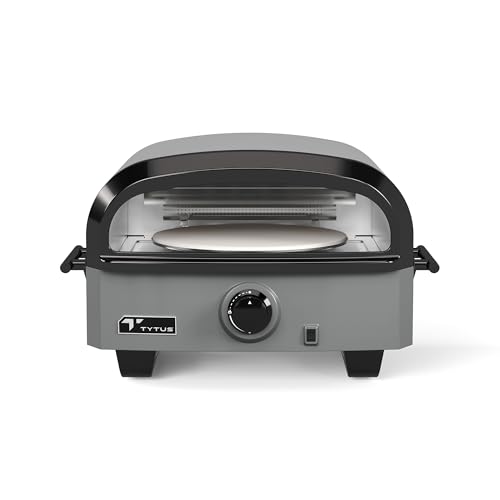
Tytus 14″ Tabletop Rotating Propane Gas Pizza Oven (18K BTU, 900°F)

Weber Q 2800N+ Portable Propane Grill (Midnight Black)

Monument Grills 35633 Propane Grill with Grill Cover Bundle

Sophia & William Propane Gas Grill and Griddle Combo

Monument Grills Mesa200S 2-Burner Stainless Steel Propane Grill

Sophia & William Charcoal and Gas Grill Combo with Side Burner

Blackstone 22″ Tabletop Propane Griddle (2 Burners, No Hood)

Tytus Fresno 66″ 5-Burner Propane or NG Grill with Cover and Pizza Stone

Sophia & William 6 Burner Propane Gas BBQ Grill with Side Burner (665 sq in)
The Details Behind The Selections
The Tytus 2-in-1 system is built for shoppers who want their grill to grow with their outdoor space rather than get replaced. At the core sits a 4-burner propane grill on porcelain-enameled cast iron grates (a coated iron cooking surface that resists rust and holds heat well), with 721 square inches of primary cooking room, a 12,000 BTU side burner for sauces and sides, and 8.2 cubic feet of enclosed storage underneath. The no-tool assembly claim matters if you’re setting it up solo on a Saturday morning.
The whole setup links together with the matching Anaheim grill, pellet smoker, and prep cart, so you can stage an island-style cookout without hiring a contractor. It suits homeowners serious about building a permanent patio kitchen, not renters or anyone tight on space.
Where It Helps
- 721 sq in of primary grilling space handles a full rack of ribs and burgers for six
- Modular link-up means the pellet smoker and prep cart attach without gaps
- Side burner removes the need to run back inside for boiling water or warming beans
- Enclosed cabinet storage keeps a propane tank out of sight and off the patio floor
Things To Consider
- Modular footprint is generous; smaller patios may feel crowded once everything links up
- Pellet smoker is a separate purchase, so the full system costs more than the grill alone
Who It Suits Best
Homeowners planning a permanent outdoor kitchen island with room to expand into smoking and prep over time.
Look Elsewhere When
The Tytus Fresno 5-Burner fits better if you want a single self-contained unit rather than building a modular system piece by piece.
Where the Tytus 2-in-1 above is built for a full backyard spread, this tabletop oven does one thing with serious focus: Neapolitan-style pizza in under five minutes. The 14-inch cordierite stone (a heat-retaining ceramic that crisps dough without scorching) sits inside a 304 stainless steel chamber, and 18,000 BTUs push the interior toward 900°F at full tilt, reaching 600°F in about ten minutes. A rotating deck means you don’t have to babysit the peel (the flat paddle used to slide pizzas in and out).
It suits folks who already own a primary grill and want to add a dedicated pizza station, or anyone in an apartment where a full-size grill isn’t an option. Tabletop placement also makes it portable enough for tailgates, though you’ll want a sturdy surface.
Positive Points
- 900°F ceiling delivers the blistering top heat Neapolitan crust needs
- Rotating stone removes the guesswork from even cooking on each pie
- 304 stainless interior shrugs off the high-heat abuse pizza ovens demand
- Tabletop footprint stores in a closet when pizza night isn’t on the calendar
Trade Offs
- Single-purpose: it won’t replace a grill for burgers or a griddle for pancakes
- High BTU draw means propane usage climbs during longer cooks
Quick Facts
Right Fit For
Home cooks who want restaurant-quality pizza without committing to a full outdoor kitchen build.
Reach For A Different Pick When
The Blackstone 22″ Tabletop Griddle suits you better if flat-top breakfasts and smash burgers matter more than pizza nights.
Weber’s Q series has a long reputation for travel-friendly grilling, and the 2800N+ adds the Plus burner, an adjustable secondary burner that lets you dial heat from a low 250°F bake/roast zone up to a 700°F sear. The porcelain-enameled cast iron grates hold heat for solid sear marks on steaks, and the unit is light enough to load into an SUV for a campsite cookout.
It works best for people who grill in motion, whether that’s a parking-lot tailgate or a weekend cabin, and who want real temperature range rather than just “hot” or “off.” Homeowners with small patios also find this sized right for two-to-four-person dinners.
Why It Works Well
- 250°F to 700°F range covers low-and-slow roasting and hard sears on one grate
- Porcelain-enameled cast iron grates retain heat for confident searing
- Portable frame fits car trunks and small patio corners alike
- Optional griddle insert broadens the cooking surface for pancakes or veggies
Points To Keep In Mind
- Compact grate area means larger gatherings need multiple batches
- Griddle insert is a separate add-on, not part of the base package
Made For
Tailgaters, campers, and apartment dwellers who want a real grill, not a tiny hibachi.
A Better Fit Elsewhere
The Monument Grills Mesa200S gives you more primary cooking area if your “portable” just means rolling it to the end of the patio.
The 35633 is the kind of grill that earns its space at big backyard parties. Four 304 stainless steel main burners handle the bulk of cooking, while a dedicated side burner and a high-heat sear burner give you extra stations for sauces and steakhouse-style crusts. The 723 square inches of total surface (513 primary plus 210 warming rack) lets you run ribs, chicken, and veggies at the same time without crowding.
It suits households that genuinely host: graduations, holidays, neighbor gatherings. If you’re cooking for two most nights but want headroom for guests, the included cover is a real bonus for keeping the unit protected through shoulder seasons.
Features That Help
- 723 sq in total surface feeds eight-plus without juggling batches
- Sear burner delivers steakhouse-grade crust without handing off to a cast iron pan
- 304 stainless main burners resist corrosion in coastal or humid climates
- Bundled cover protects the hood from weather between cookouts
Honest Caveats
- Six-burner layout needs a larger patio footprint than compact grills
- Multiple burner zones mean more propane consumption during long cooks
Quick Facts
Best Suited To
Frequent hosts running large gatherings and needing multiple heat zones running at once.
Swap It Out When
The Sophia & William 6 Burner fits better if you want even more capacity plus a side burner for dedicated sauce work.
This combo splits the difference most families run into: pancakes and eggs need a flat-top, but burgers and chicken want open flame. With independent burner controls on each side, you can sear steaks on the grill grate while simultaneously frying hash browns on the griddle plate. It’s a clever solution for breakfast-to-dinner cooking on one frame.
It makes sense for households that cook real meals outside, not just weekend burgers. The dual setup also helps when guests have preferences, since the griddle side handles fish or vegetables without flare-ups from fattier cuts on the grill side.
Strong Points
- Grill and griddle in one footprint replaces two separate appliances
- Independent burner zones let you run very different temps at the same time
- Open-flame side handles traditional burgers, chops, and skewers
- Flat-top side tackles eggs, pancakes, and smash burgers without a separate pan
Softer Spots
- Each side has less primary area than a dedicated grill or griddle would offer
- Two surfaces to clean after each cook rather than one
Who Will Love This
Families who want breakfast cooked outside as much as dinner and value one appliance doing both jobs.
Consider Something Else When
The Blackstone 22″ Tabletop Griddle suits tailgaters better, since it’s lighter and stores in tighter spaces.
The Mesa200S solves a problem a lot of patio dwellers don’t realize they have until delivery day: where do you put a full-size grill? Two foldable side shelves collapse down for tighter storage, and 450 square inches of total cooking area (320 primary plus 130 warming) covers four-person dinners without dominating the deck. The Clearview lid lets you check food without lifting and losing heat.
It suits small patios, townhouse balconies, or anyone whose outdoor space doubles as entertaining room. The 304 stainless burners also weather the off-season better than painted steel when you don’t have a cover on hand.
What Stands Out
- Foldable shelves drop the width significantly when stored against a wall
- 320 sq in primary grate handles a four-person dinner without crowding
- 304 stainless burners hold up to humidity and coastal air
- Clearview lid lets you monitor food without lifting and venting heat
Room For Improvement
- Two-burner setup means indirect cooking requires creative zone management
- Smaller footprint won’t satisfy a household that cooks for eight regularly
Quick Facts
Perfect Match For
Small-space grillers on balconies or narrow patios who don’t want to give up cookout traditions.
Not Your Match When
The Weber Q 2800N+ makes more sense if portability for trips matters as much as patio footprint.
Plenty of grillers love charcoal flavor but dread the lighting and cleanup. This dual-fuel combo keeps both options open: gas burners for weeknight speed and a charcoal side when you want that smoky edge. The three stainless gas burners deliver 28,650 BTU total, plus an 8,530 BTU side burner for pots and pans, so the gas side alone can handle a full dinner.
It suits shoppers who can’t decide between gas convenience and charcoal character, or households where one person wants quick weeknight meals and another insists on weekend low-and-smoke. You get both without buying two separate grills.
Strengths Worth Knowing
- Charcoal and gas in one unit eliminates choosing between flavor and convenience
- Side burner handles sauces and sides without running back to the kitchen
- Stainless gas burners start reliably for weeknight cooking
- Single footprint means one propane tank, one patio spot, one cover
Small Caveats
- Charcoal side requires ash disposal and longer preheating than gas alone
- Each side has less dedicated cooking area than single-fuel specialty grills
Right Fit For
Flavor-focused cooks who want charcoal option without giving up gas convenience for fast weeknight meals.
Another Choice May Suit
The Monument Grills 35633 works better if you’d rather direct all your burner capacity at propane-only cooking with maximum surface.
The Blackstone 22″ has built a following among campers and tailgaters for good reason: 352 square inches of flat-top surface on a frame that fits in a car trunk. Two H-style burners (a burner shape that distributes heat evenly across the plate) put out 24,000 BTU combined, with independent controls for two heat zones, so pancakes run low while bacon crisps hot at the same time. The rear grease trap keeps cleanup contained.
It suits people who don’t want a stationary patio grill and prefer the flexibility to cook anywhere: campground picnic tables, truck tailgates, driveways. The lack of a hood means it’s not ideal for roasting, but flat-top cooking rarely needs one.
Benefits That Matter
- 352 sq in flat-top feeds a family of four in one batch
- Two independently controlled zones handle different foods at different temps
- Rear grease trap simplifies post-cook cleanup away from home
- Tabletop form factor transports easily to campsites and tailgates
Areas To Watch
- No hood means windy days cool the cooking surface quickly
- Griddle-only format won’t satisfy shoppers wanting grill marks on steaks
Who Should Grab It
Travelers and tailgaters who cook full breakfasts and smash burgers away from home kitchens.
Where Another Pick Suits Better
The Sophia & William Grill and Griddle Combo fits better for stationary patio use where you want both surfaces on one frame.
The Fresno is what happens when a grill stops being just an appliance and becomes the centerpiece of a patio. The 66-inch cabinet frames 864 square inches of total cooking surface (510 main plus 209 warming rack), five heavy-duty 304 stainless burners, and 7mm porcelain-enameled cast iron grates that hold heat for serious searing. The double-walled hood keeps temperatures steady even on chilly evenings, and a built-in light extends cooking past sunset. The included pizza stone adds the Tytus pizza-oven angle to a full-size grill, a useful crossover for households that alternate between weeknight grilling and weekend pizza nights.
It suits homeowners with the patio space to host a permanent installation. If your outdoor area already functions as a kitchen extension, the Fresno pulls double duty as both a showpiece and a serious cooking platform.
Everyday Wins
- 864 sq in total surface runs a full party menu simultaneously
- 7mm grates retain heat for confident sear marks and even cooking
- Built-in hood light makes dusk cookouts practical
- Included pizza stone broadens the unit beyond standard grilling
Potential Drawbacks
- 66-inch cabinet demands significant patio square footage to anchor properly
- Five-burner capacity consumes propane faster during extended entertaining
Quick Facts
Built With In Mind
Homeowners with permanent patio setups and a taste for built-in-style outdoor kitchens without a custom build.
Skip It When
The Tytus 2-in-1 with Pellet Smoker fits better if you want a modular system that can expand rather than a single fixed unit.
Six burners, 665 square inches, and a dedicated side burner: this is the configuration for households that cook dinner outside as a default, not an exception. The porcelain-enameled cast iron grates resist rust and clean up easier than bare cast iron, while stainless steel burners and porcelain-enamel flame tamers spread heat evenly across the full surface. You can sear steaks, simmer a pot on the side burner, and toast buns simultaneously.
It fits families that genuinely feed a crowd most weekends and want six burner zones plus a side burner dedicated to sides and sauces. Compared to the smaller Mesa200S earlier, this unit trades patio footprint for cooking headroom.
The Upside
- Six burners give independent control over multiple dishes at once
- Side burner handles sauces, beans, or boiling corn without leaving the patio
- 665 sq in primary surface fits full family meals plus leftovers
- Porcelain-enameled grates clean up easier after sticky marinades
Less Ideal Details
- Large cabinet footprint requires significant patio space
- Six-burner output uses propane faster during multi-hour cooks
Whose Shelf It Belongs On
Multi-dish family cooks who run several heat zones simultaneously and entertain on a regular cadence.
Wrong Turns To Avoid
The Monument Grills Mesa200S is the better fit when your patio can only fit a 2-burner footprint, regardless of how ambitious your menus get.
Picking The Right Grill For Your Setup
Choosing a propane grill is mostly about matching the unit to your real cooking habits and the space you actually have, not the biggest number on the spec sheet. A 6-burner powerhouse delivers nothing if it dominates a small balcony you can barely walk around. Start by measuring your usable patio area and thinking honestly about how many people you typically cook for, because those two numbers decide most of the rest.
Burner material is worth a closer look than most shoppers give it. Stainless steel burners hold up to heat cycles and humidity better than aluminum or cast aluminum alternatives, especially in coastal climates. Porcelain-enameled cast iron grates are heavier and slower to heat but retain temperature better for searing, while porcelain-coated steel grates heat faster and weigh less, a real plus on portable units.
BTU ratings get thrown around like a scoreboard, but raw output matters less than how evenly burners distribute that heat across the cooking surface. A grill with fewer, well-engineered burners and proper heat tents (the angled plates that diffuse flame and prevent flare-ups) often outperforms a higher-BTU unit with poor airflow. Look for flame tamers, whether porcelain or stainless, because they protect burners from drippings and extend their service life.
Footprint and storage matter more than they seem at purchase time. Foldable shelves on smaller units like the Mesa200S make a real difference for townhouse patios, while modular systems like the Tytus lineup let you start with a grill and add components later instead of buying everything at once. If you cook primarily on weekends, a full island makes sense; if your grill sees action twice a week, the same money may serve you better in accessories and fuel.
Finally, think about fuel logistics. A built-in propane line means unlimited runtime but professional installation. A standard 20 lb propane tank is portable but limits cookout length to roughly 8 to 10 hours of typical grilling. Some models like the Tytus Fresno offer natural gas conversion, a real advantage if your home already has a gas line run to the patio.
Practical Notes For Built-In Grill Shoppers
Pitfalls Shoppers Hit
The most common mistake is buying based on total BTU output alone. Higher numbers sound impressive, but heat distribution, grate quality, and burner design matter far more for actual cooking results. A 60,000 BTU grill with poor airflow can run cooler at the grates than a 40,000 BTU unit with proper heat tents. Look at cooking surface area divided by BTU for a more honest sense of heat density, somewhere around 80 to 100 BTU per square inch tends to deliver solid performance.
Another trap is underestimating propane logistics. Standard 20 lb tanks run a typical grill for 8 to 10 hours of cooking, so a household that fires up twice a week may swap tanks every two months. If that sounds like a chore, factor in the cost of a larger tank or a natural gas conversion kit before choosing between models. Also worth noting: grates advertised as “cast iron” vary widely in actual iron content and coating quality, and lower-grade cast iron can flake or rust within a season if not seasoned and stored properly.
Where The Extra Money Goes
Stepping up to premium tier typically buys three things: heavier-gauge materials (stainless steel hoods instead of painted steel), better burner construction (304 stainless with longer warranties), and tighter fit and finish across moving parts. A premium grill’s hood closes with a satisfying thunk rather than a rattle, and the side shelves feel stable rather than flimsy.
The honest read: for households grilling two or three times a month, mid-tier models deliver most of the cooking experience at a fraction of the price. For weekly entertainers or anyone grilling year-round in tough weather, the upgrade to heavier stainless and better burners pays back through durability and lower maintenance over five-plus years. The question isn’t whether premium grills cook better; it’s whether your usage justifies the extra material cost.
Frequently Asked Questions
How many BTUs do I actually need for a family of four?
For most families, a grill with 40,000 to 50,000 total BTU across the main burners delivers enough heat for everyday cooking. Focus on even heat distribution and grate quality over raw output, since a well-designed 40,000 BTU grill outperforms a poorly distributed 60,000 BTU unit on actual cooking results.
What’s the real difference between cast iron and stainless steel grates?
Porcelain-enameled cast iron grates retain heat better for searing and create more pronounced grill marks, but they require seasoning and are heavier to handle during cleaning. Stainless steel grates heat up faster, weigh less, and clean easier, though they don’t hold searing heat quite as well. Both work well; the difference is maintenance preference and cooking style.
How often will I need to replace a propane tank?
A standard 20 lb propane tank lasts roughly 8 to 10 hours of typical grilling, so households grilling twice a week typically swap tanks every two months. Heavy users hosting multi-hour parties may go through a tank in a single weekend. Larger auxiliary tanks and natural gas conversions both reduce that frequency.
Can I convert a propane grill to natural gas?
Some models, including the Tytus Fresno, support natural gas conversion, but most do not. Never attempt a field conversion on a model not designed for it; fuel pressures differ enough that improper conversions create real safety hazards. If natural gas matters, choose a model rated for dual fuel from the start.
How long should a quality propane grill last?
Mid-tier grills typically run five to eight years with regular cleaning and a cover during off-seasons. Premium stainless models often reach 10 to 15 years with similar care. Burner replacement extends life further, since the frame and hood usually outlast the burners themselves.
Closing Remarks
The right propane grill comes down to your space, your cooking style, and how often you actually fire it up. A small patio benefits from foldable shelves and a tight footprint; a big backyard rewards a full-size island or modular system. Match the unit to your real habits rather than aspirational ones, and you’ll spend more time cooking and less time working around your grill.