
Two-burner propane camp stoves have come a long way from the classic green box your parents probably carried to the state park. Today the category spans everything from featherlight backpacking setups to full-on outdoor kitchens with windscreens and CSA-certified regulators. Car campers, overlanders, tailgaters, and basecamp cooks all want the same core thing: reliable flame, predictable simmer control, and a footprint that survives gravel, sand, and the back of a pickup. This roundup walks through six well-matched options for 2026, mixing high-output two-burner workhorses with fuel canisters and a single-burner system for fast-boil situations. Each pick calls out the real-world trade-offs, not just the brochure numbers.
A Side-By-Side Look

Pipopa 2 Burner Propane Camp Stove 150,000 BTU
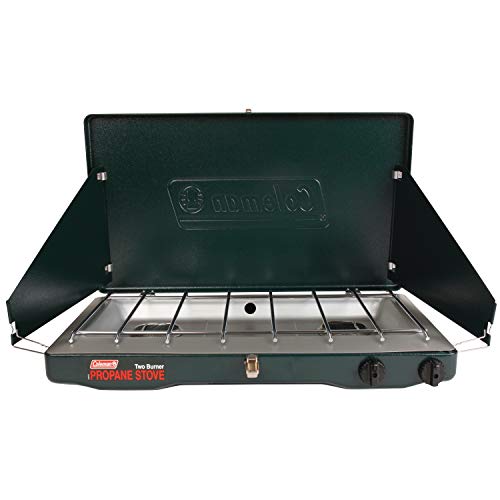
Coleman Classic Propane Camping Stove, 2 Burner

Jetboil JetPower Fuel Canister, 100g, 4-Pack

Bonnlo 2 Burner Portable Propane Stove 150,000 BTU

Pipopa 3 Burner Propane Camp Stove 225,000 BTU

Jetboil Flash 1.0L Fast Boil Camp Stove
Taking A Closer Look At The Options
The Pipopa 2 Burner Propane Camp Stove targets the car-camper who treats dinner like a real meal. Where the Coleman covered by Joe below relies on wind-blocking panels and modest BTUs, this Pipopa pushes a much higher heat ceiling through its high-pressure burners, so two pans can sear, boil, or fry without either burner starving the other.
Setup is essentially tabletop: place it on a flat surface, hook up a standard propane tank, and you are cooking. A dustproof cover is included, which matters more than it sounds for anyone storing the stove in a garage or truck bed between trips.
Useful Touches
- Combined output of around 150,000 BTU across both burners handles cast iron and stockpot cooking
- High-pressure burners maintain flame height in breezy conditions better than low-pressure designs
- Included protective cover reduces cleanup and keeps burner ports clear of grit and insects
- Two-burner layout lets you simmer a sauce while bringing pasta water to a rolling boil
- Tabletop footprint fits standard picnic table centers without dominating the eating space
Things To Consider
- Higher BTU ratings mean faster fuel burn, so plan on carrying a larger propane tank for multi-day trips
- Tabletop-only design requires a stable base, which limits use on uneven ground without a separate stand
Quick Facts
Made For
Car campers and basecamp cooks running a full dinner service for four to six people on a picnic table.
Look Elsewhere When
Solo backpackers counting grams should reach for the Jetboil Flash 1.0L Fast Boil Camp Stove instead, since this Pipopa is built for stationary cooking.
The Coleman Classic Propane Camping Stove is the green-box workhorse most people picture when they hear “camp stove.” At 4.1 by 21.9 by 13.7 inches unfolded, it slips easily into a car trunk and opens into a sturdy two-burner cooking platform that fits a 12-inch and a 10-inch pan at the same time.
It is the right pick for families who want predictable performance without managing wind kits or high-pressure regulators. Compared to the Pipopa above, the Coleman trades raw heat for steadier simmer control and a friendlier learning curve for first-time outdoor cooks.
A Strong Showing
- Two independently adjustable burners give precise flame control for saucepans and skillets
- Built-in wind-blocking panels shelter flames during gusty camp conditions
- Pressure-control technology maintains steady output even in extreme temperatures
- Wide cooking surface fits a 12-inch and a 10-inch pan simultaneously for family meals
Worth Noting
- Lower total BTU output than high-pressure camp stoves means longer water-boil times
- Relies on a separate 16.4 oz propane cylinder that must be purchased in addition to the stove
Right Fit For
Weekend campers, scout troops, and anyone who wants a familiar, low-maintenance two-burner setup for casual car camping.
Consider Something Else When
Overlanders cooking for large groups on longer trips will benefit more from the Pipopa 3 Burner Propane Camp Stove with its higher total output.
The Jetboil JetPower Fuel Canister is not a stove on its own, but no canister-fed cooking system runs without it. This 4-pack of 100-gram propane/isobutane blend canisters is sized for backpackers and thru-hikers who measure every ounce.
While the two-burner camp stoves above run off refillable propane cylinders, Jetboil systems thread directly onto these small canisters. Higher vapor pressure means the fuel keeps flowing in cold shoulder-season conditions where regular propane struggles.
Positive Takeaways
- Compact 100-gram size packs into bear canisters and small camp bags without wasted space
- Four-season propane/isobutane blend resists pressure drop in cold weather
- Standard threaded fitting works across the Jetboil product line and many other canister stoves
Trade Offs
- Must never be refilled while hot or attached to a burning device, since residual flame can cause flare-ups
- Small canisters burn out faster than 1 lb propane tanks, so longer trips require multiple spares
Feature Card
Best Suited To
Backpackers and ultralight campers running canister-fed stoves like the Jetboil Flash on multi-day trips.
Skip It When
Car campers running larger propane cylinders should pick up a standard refillable tank instead and skip the small-canister route entirely.
The Bonnlo 2 Burner Portable Propane Stove is built like a piece of patio equipment rather than a folding camp stove. A heavy-duty cast iron head, detachable stand legs, and adjustable firepower make it a strong match for hunters, fish-fry hosts, and tailgaters running oversized pots.
Where the Pipopa above keeps a slim tabletop profile, this Bonnlo raises cooking height to a comfortable counter level. Detachable legs break it into manageable pieces for transport, though you trade folding convenience for that stance.
Standout Benefits
- Cast iron burner head holds and radiates heat, supporting heavy stockpots and Dutch ovens
- Adjustable flame settings give you both high-output searing and low, controlled simmering
- Removable stand legs raise the cooking surface to a usable working height
- Pot bracket accepts a wide range of pot diameters, from small saucepans to large canning kettles
Points To Note
- Cast iron construction adds meaningful weight compared to steel-bodied camp stoves
- Two-piece leg assembly takes longer to set up than a folding tabletop design
- Open burner head has no integrated windscreen, so a separate shield helps in breezy conditions
Whose Shelf It Belongs On
Outdoor cooks running fish fries, crawfish boils, or large-batch stews on a tailgate or patio who want a sturdy, long-lasting burner.
A Better Fit Elsewhere
Backpackers should ignore this one and stick with the Jetboil JetPower Fuel Canister paired with a compact canister stove for trail-friendly cooking.
The Pipopa 3 Burner Propane Camp Stove takes the same high-pressure approach as the two-burner Pipopa earlier and stretches it into a full outdoor kitchen. Total output reaches 225,000 BTU across three burners, and the bundle includes foldable side shelves, a three-sided windscreen, a 600D Oxford cover, and a CSA-certified 20 PSI regulator.
It is the natural step up for crews cooking breakfast, lunch, and dinner at a basecamp, or for overlanders who treat the tailgate like a galley. Side shelves give you somewhere to set plates, pans, and seasoning, while the windscreen protects the flame ring from crosswinds.
What It Does Well
- Three burners handle a full meal at once, with space for a griddle, kettle, and skillet running together
- Foldable side shelves extend usable prep area when set up and collapse for transport
- CSA-certified 20 PSI regulator ensures safe, consistent propane delivery from a standard tank
- 600D Oxford cover protects the stove during transit and storage
- Three-sided windscreen keeps flame steady in breezy campsites
Honest Caveats
- Larger footprint than the two-burner Pipopa, so plan table or tailgate space accordingly
- Higher BTU demand burns through propane faster on full-burner cooking sessions
Spec Overview
Who Should Grab It
Group cooks, overlanders, and families running basecamp meals for six or more who want full galley functionality on a picnic table or tailgate.
Swap It Out When
Solo travelers or couples can save space and money with the Coleman Classic Propane Camping Stove, which is plenty for two-pan dinners.
The Jetboil Flash 1.0L Fast Boil Camp Stove closes the roundup with a single-burner integrated system that flips the script on traditional two-burner camp stoves. A 1.0-liter cooking cup threads onto a propane/isobutane burner, and one-step auto ignition lights the flame with a half-turn counterclockwise twist of the knob.
This is the right pick when hot drinks and dehydrated meals matter more than cooking for a crowd. Where the Coleman and Pipopa above spread out across a picnic table, the Jetboil condenses cooking into a backpacking-friendly package that fits in a pack lid pocket.
What Works In Its Favor
- Auto ignition removes the need for lighters or matches on damp mornings
- Integrated cooking cup captures heat efficiently for quick water boils
- Compact, packable design fits backpacking kit alongside the Jetboil JetPower Fuel Canister
Where It May Fall Short
- Single-burner design limits you to one pot at a time, so no simultaneous side dishes
- Requires Jetboil-compatible fuel canisters, which add to trip cost for first-time owners
Perfect Match For
Solo backpackers and thru-hikers prioritizing fast boil times and minimal pack weight over cooking versatility.
Another Choice May Suit
Weekend campers cooking full meals should consider the Pipopa 2 Burner Propane Camp Stove for genuine two-pan cooking capacity.
Choosing a 2 Burner Propane Camp Stove That Fits Your Trips
Match Output To Your Cooking Style
BTU ratings describe how much heat a burner can deliver per hour. Higher numbers, like the 150,000-plus figures on the Pipopa and Bonnlo models, mean faster water boils and stronger sear marks on cast iron. Lower-output stoves, such as the classic Coleman, run cooler and sip fuel more slowly, which suits simmer-heavy menus and longer trips where conserving propane matters. For most family car campers, total output in the 20,000 to 50,000 BTU range handles breakfast, lunch, and dinner without burning through a 16 oz cylinder in one sitting.
Decide Between High-Pressure And Low-Pressure Burners
High-pressure burners push more gas through the jet, producing taller flames that resist wind and recover heat faster when a cold pan hits the burner. Low-pressure stoves run on the gentler flow from a standard propane cylinder with a basic regulator, which keeps the hardware simple and affordable. If your campsites tend to be breezy lakeshores, ridgelines, or open plains, high-pressure is worth the extra cost. If you cook under a tarp or in calm wooded sites, a low-pressure stove like the Coleman is plenty.
Think About Size, Weight, And Setup
Tabletop stoves with folding covers, like the Coleman Classic and the Pipopa two-burner, store flat and travel well in a car trunk. Stoves with detachable legs, like the Bonnlo, add usable height but require assembly and a flat patch of ground. Backpackers should ignore both categories and step down to integrated systems like the Jetboil Flash paired with Jetboil JetPower Fuel Canisters, where size and weight matter more than cooking surface area.
Don’t Forget The Fuel Supply
A two-burner camp stove is only as good as the propane tank feeding it. Standard 16.4 oz cylinders are cheap and easy to find at any outdoor retailer, while larger refillable tanks cut down on per-trip cost for heavy-use cooks. Canister-fed stoves use small threaded propane/isobutane blends, which work better in cold weather but cost more per ounce of fuel. Match your stove to the fuel format you can actually source at your destination.
Key Considerations Across These Picks
Pitfalls Shoppers Hit
The most common mistake is buying a high-BTU stove and underestimating fuel use. A 150,000-BTU burner can empty a small 16 oz cylinder in well under an hour on full blast, so plan on carrying a larger tank for any multi-day outing. Another frequent trap is ignoring wind exposure, since even a solid stove struggles without a windscreen at exposed campsites. Forgetting fuel-canister compatibility also catches first-time buyers off guard, since threaded canisters for canister stoves are not interchangeable with standard propane cylinders.
Where The Extra Money Goes
Higher-tier models earn their cost through better materials, stronger regulators, and integrated accessories. CSA-certified regulators confirm that the propane delivery hardware has passed independent safety testing. Cast iron heads and reinforced frames outlast stamped-steel bodies on stoves that see frequent use. Bundled windscreens, side shelves, and protective covers turn a bare burner into a ready-to-cook station, which adds convenience worth paying for when you want to skip extra shopping trips before the trip.
Frequently Asked Questions
How Long Does A Propane Tank Last On A Two-Burner Camp Stove?
Runtime depends on flame setting and tank size, but a 16.4 oz cylinder typically fuels roughly an hour of high-output cooking on a single burner. Running both burners at moderate flame stretches that window for a typical family meal of about 30 to 45 minutes. Larger refillable tanks extend that range considerably for multi-day trips.
Can You Use A Two-Burner Camp Stove In Windy Conditions?
Most two-burner stoves handle light breezes with no issue, especially models with built-in wind-blocking panels or full windscreens. Higher-BTU burners also resist flame blowout better than low-pressure models. For very exposed sites, a separate windscreen or a sheltered cooking setup still helps.
Are Canister Stoves Compatible With Standard Propane Tanks?
No. Canister stoves like the Jetboil Flash use small threaded propane/isobutane canisters, which attach directly to the stove. Standard propane cylinders require a different regulator and hose setup that canister stoves do not support. Trying to force a connection risks leaks and equipment damage.
Is Cast Iron Better Than Steel For Camp Stove Burners?
Cast iron radiates heat more evenly and tolerates heavy pots, but it adds weight and needs seasoning to prevent rust. Steel burners are lighter and lower maintenance, though they can warp under extreme heat over time. Heavy-use outdoor cooks often prefer cast iron for its durability, while backpackers favor steel for the weight savings.
Do I Need A Regulator For A Two-Burner Propane Stove?
Yes, a regulator controls the propane pressure reaching the burners. Many stoves ship with a basic regulator included, but higher-end models like the Pipopa 3 Burner use CSA-certified 20 PSI regulators for added safety and performance. Always check that the regulator matches the tank type you plan to use.
Closing Remarks
The right 2 burner propane camp stove depends less on raw numbers and more on where and how you cook. Car campers running full dinners for a family will appreciate the steady output of the Coleman Classic, while basecamp chefs handling big-batch meals get more headroom from the Pipopa 3 Burner setup. Backpackers counting ounces belong in the Jetboil ecosystem, and heavy-use outdoor cooks gravitate toward the cast iron Bonnlo. Match the stove to your trip style, fuel access, and cooking habits, and the rest of the campsite dinner tends to take care of itself.