
Cooking outside should feel simple, not stressful. A good outdoor burner turns a tarp-and-cooler weekend into real meals, whether you’re boiling water for freeze-dried dinners at the trailhead or flipping pancakes at a tailgate. The trick is matching the stove to how you actually cook: car camping, backpacking, patio dinners, or full basecamp setups where you’re feeding four hungry friends.
This roundup sorts through six solid options that handle different scenarios, from a featherlight backpacking system to a three-burner monster that could feed a crew. Each pick has a clear job, and the trade-offs are spelled out so you can pick with confidence.
Your Options, Compared

Pipopa 2 Burner Propane Camp Stove 150,000 BTU
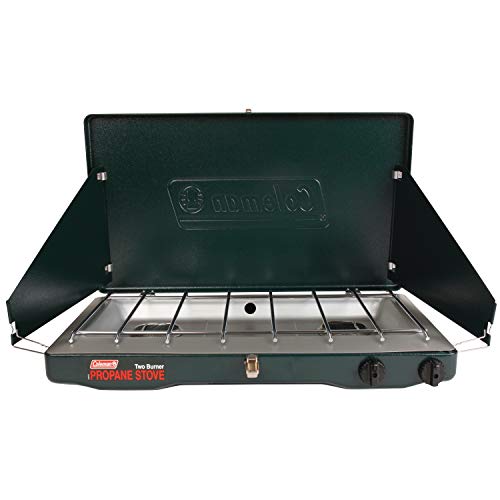
Coleman Classic Propane Stove, 2 Burner

Jetboil Jetpower Fuel Canister 100g (4-Pack)
Fire-Maple Fixed Star 1 Backpacking Stove System

Fire-Maple Petrel G2 Ultralight Camping Pot 800ml

Pipopa 3 Burner Propane Camp Stove 225,000 BTU
Inside Each Recommended Option
If your outdoor cooking leans toward boiling a full kettle of pasta water in under five minutes, this Pipopa dual burner handles serious heat. Each head puts out 75,000 BTU (a measure of heat energy per hour), so combined you get the kind of firepower usually reserved for small restaurant wok stations. A dustproof cover ships with the unit, which is a nice touch for anyone storing the stove in a garage or truck bed between trips.
Compared to the Coleman Classic later in this list, this option trades portability for raw output. The trade-off shows up in the footprint and weight, so it’s not a hiking stove. It’s a car-camping stove that wants a flat tailgate or a picnic table. For most weekend cooks feeding a small crew, the power difference is hard to ignore.
Practical Pluses
- Two high-pressure burners deliver enough heat to sear, wok-fry, or boil a large pot quickly
- Included dust cover shields the cooking surface from grit and debris during storage
- Separate burner controls let you run a gentle simmer on one side while blasting heat on the other
- Frame is built for stability, so larger Dutch ovens and stock pots sit safely over the flames
Trade Offs
- Size and weight make it impractical for backpackers or anyone packing into a site on foot
- Propane tank and hose are sold separately, adding to the total setup cost
- High BTU output can scorch delicate sauces if the simmer isn’t dialed down carefully
Quick Facts
Built With In Mind
Car campers, tailgaters, and anyone running a flat-surface cooking station who values heat over compact storage.
Reach For A Different Pick When
Backpackers counting every ounce should look at the Fire-Maple Fixed Star 1 instead, since it weighs a fraction of this and nests inside its own pot.
The Coleman Classic has been on campsite tables for decades for a good reason: it just works. Up to 20,000 total BTU across two adjustable burners is more than enough for pancakes, chili, and a full breakfast spread. Wind-blocking panels fold out to keep gusts off the flame, and the 4.1 x 21.9 x 13.7-inch frame fits a 12-inch and 10-inch pan at the same time.
Unlike the higher-output Pipopa above, the Classic runs cooler and quieter, which matters when you’re simmering eggs at dawn. Pressure-control technology helps the flame stay steady in temperature swings, a small detail that frequent campers tend to appreciate. It’s not exciting, but for family car camping it rarely needs to be.
A Strong Showing
- Two adjustable burners give precise temperature control for delicate and high-heat cooking alike
- Fits both a 12-inch and 10-inch pan simultaneously, useful for full breakfasts
- Built-in wind-blocking panels reduce flame blowout in breezy conditions
- Compact carry footprint stores easily in most car trunks and RV storage bays
Honest Caveats
- Output maxes around 20,000 BTU total, much lower than high-pressure camp stoves for wok-style cooking
- Runs roughly an hour on high from a 16.4 oz propane cylinder, so pack a backup for long weekends
Right Fit For
Family campers and weekend warriors who want a reliable, easy-to-use two-burner setup with minimal learning curve.
Where Another Pick Suits Better
Cooks who need serious heat for cast-iron searing or large-volume boiling will find the Pipopa 2 Burner Propane Camp Stove a stronger match.
Strictly speaking, this isn’t a stove at all. It’s the fuel that powers one. The Jetboil Jetpower 100g canisters use a propane/isobutane blend (a mix of two gases that vaporize easily even in cold weather) formulated for efficient, cold-weather performance, which matters more than most people realize on shoulder-season trips. The 450-gram four-pack gives you four small canisters, perfect for a single through-hike or splitting between two backpackers.
The honest read is that you only need this if you already own a Jetboil-system stove or one of the other canister-compatible systems like the Fire-Maple Fixed Star 1 reviewed next. A four-pack keeps a single thru-hiker boiling water for roughly a week of meals, depending on altitude and water temperature.
The Good Stuff
- Four-season fuel blend holds vapor pressure (a canister’s ability to push fuel as a gas) in cold conditions where pure propane struggles
- Small 100g size fits inside most backpacking cook pots for nesting
- Four-canister pack gives multi-day fuel supply for solo trips
Points To Keep In Mind
- Never attach to a hot or burning device: refueling a warm stove risks flare-ups
- Only fits stoves with the standard threaded EN417 valve (the universal camping fuel canister connection), not larger propane tanks
Perfect Match For
Backpackers and thru-hikers already running a Jetboil or compatible canister stove who need reliable multi-day fuel.
Swap It Out When
Car campers using larger propane appliances should pick up a standard refillable propane tank instead, since canisters burn out fast on two-burner cooktops.
The Fixed Star 1 is a complete cook kit in one tidy package. The heat exchanger (a ring around the burner that captures more heat from the flame and transfers it to the pot) wraps the flame and feeds energy back into the pot, which the brand claims cuts boil times by around 30 percent compared to traditional backpacking burners. At 18 ounces total and designed to nest a fuel canister, bowl, and stove inside the one-liter pot, it disappears into a pack.
Compared to the Jetboil fuel pack above, this is the actual cooking hardware, not just the gas. Note the fuel canister isn’t included, so plan on pairing it with a Jetboil-style canister. Compatibility is broad across most threaded canisters, though Coleman-brand canisters reportedly don’t fit.
Everyday Advantages
- Integrated heat exchanger speeds boil times, saving fuel on long trips
- Nesting design fits stove, bowl, and canister inside the one-liter pot
- Lightweight 18-oz total kit suits multi-day backpacking routes
Some Limits To Know
- Fuel canister not included, adding a separate purchase for first-time setup
- Not compatible with Coleman-brand fuel canisters, limiting some roadside refill options
Quick Facts
Made For
Solo backpackers and ultralight hikers who want a complete, low-fuss cooking system that lives entirely inside its own pot.
A Better Fit Elsewhere
Cooks needing to simmer sauces or fry in a pan should look at the Coleman Classic Propane Stove, which offers a flat cooking surface that this system doesn’t.
The Petrel G2 isn’t a stove either, but it’s a perfect teammate for one. At 184.5 grams, the aluminum pot with silicone accents folds down small enough to slip into a side pocket, and the foldable handle keeps the package tidy. The 800ml capacity (roughly 27 oz) fits a ramen block, a rehydration pouch, or a small freeze-dried meal with room to spare.
Pair this with the Fire-Maple Fixed Star 1 stove covered above and you’ve got an ultralight cook kit that can handle most trail meals. The pot itself works over canister stoves, small alcohol burners, or even a campfire grate, which adds real flexibility to a pack setup.
Points In Its Favor
- Ultralight 184.5-gram construction barely registers in a packed bag
- Foldable handle saves space and stays cool during normal cooking use
- Aluminum alloy body heats quickly, reducing fuel use on short boils
Worth Bearing In Mind
- Aluminum is lighter but dents more easily than titanium on rocky trips
- 800ml capacity limits batch cooking; only fits one meal at a time
Best Suited To
Minimalist backpackers and weight-conscious hikers who already own a separate stove and just need a compact pot to complete the kit.
Skip It When
Campers cooking for two should consider the Fire-Maple Fixed Star 1 system, which bundles a one-liter pot with a matching stove.
The 3 Burner Propane Camp Stove steps everything up. With 225,000 BTU total across three heads (75,000 each), you can run a full breakfast, soup, and side dish at the same time. The package includes foldable side shelves, a three-sided windscreen, a 600D Oxford (a thick, durable woven polyester fabric often used for outdoor gear) waterproof cover, and a CSA-certified (Certified Safety Standards, a Canadian product-safety certification) 20 PSI regulator.
That’s the difference between this and the two-burner Pipopa earlier in the list: real basecamp cooking capacity with all the supporting accessories in the box. You will still need a propane tank, since one isn’t included, but the regulator and windscreen save real setup time on arrival.
Real Benefits
- Three burners handle full multi-dish meals for groups of four to eight
- Included windscreen and folding shelves create a stable, organized cook station
- CSA-certified 20 PSI regulator provides consistent fuel pressure and safer operation
- 600D Oxford waterproof cover protects the stove during transport and storage
Things To Consider
- Large footprint demands a full table or tailgate; not practical for small sites
- Propane tank sold separately, adding to total cost
- Heat output can scorch cast iron if left unattended at full throttle
Feature Snapshot
Who It Suits Best
Group leaders, hunting camps, and large-family basecamps running a real outdoor kitchen where volume matters more than portability.
Consider Something Else When
Solo campers or couples should stick with the Pipopa 2 Burner Propane Camp Stove, which delivers enough power without the bulk.
What To Weigh Before Choosing Your Outdoor Cooker
Picking the right outdoor stove comes down to three questions: how you travel, what you cook, and how much heat you need. Backpackers and thru-hikers should focus on weight and nesting design. The Fire-Maple Fixed Star 1 and the Fire-Maple Petrel G2 both shine here, because they pack down small and shave ounces without sacrificing a real meal at the end of the day.
Heat And Capacity
BTU ratings tell you how fast a burner can bring water to a boil or sear a steak. For car camping and tailgates, higher output (75,000-plus BTU per burner) means shorter cook times and the ability to run a wok or large stockpot. For trail cooking, peak output matters less than efficiency, which is where integrated heat exchangers like the one on the Fixed Star 1 save fuel across a multi-day trip.
Cooking Surface And Pan Fit
Two-burner stoves handle two pans, but not every stove fits every pan. The Coleman Classic fits a 12-inch and 10-inch pan side by side, which covers most family breakfast setups. Backpacking pots and skillets are usually 800ml or smaller, so they don’t need that width, but they do need a stable pot support.
Fuel Type And Availability
Canister stoves run on small propane/isobutane canisters, which are easy to pack and work in cold weather. They burn out fast on two-burner cooktops, so car campers usually want a refillable propane tank instead. Match the fuel system to the trip length: through-hikes want canisters, basecamps want tanks.
Portability And Storage
Weight, folded size, and included storage cover all matter when you’re hauling gear. High-BTU stoves like the Pipopa units are big and need a vehicle, while integrated systems like the Fixed Star 1 disappear into a pack. A dustproof cover (like the one included with the Pipopa 2 Burner) keeps burners clean between trips and prevents grit from clogging the gas jets.
Cross-Cutting Points Across The Lineup
Common Shopping Slip Ups
Underestimating fuel needs is the most common mistake. A high-BTU stove drinks propane fast, and a small canister stove runs dry long before a long weekend ends. Map your trip length to your fuel supply, and always pack a backup canister or a refillable tank.
Where The Extra Money Goes
Higher-tier models cost more because of three things: better materials, included accessories, and stronger output. The Pipopa 3 Burner ships with a windscreen, side shelves, a waterproof cover, and a CSA-certified regulator, which would cost extra on cheaper stoves. Premium heat-exchanger systems like the Fire-Maple Fixed Star 1 also reduce long-term fuel costs by boiling faster. For frequent campers, that upgrade pays back across a season of trips.
Frequently Asked Questions
What size propane tank works with a 2 burner camp stove?
Most 2 burner propane stoves pair with a standard 20 lb BBQ-style tank using a hose and regulator. Smaller 1 lb green camping bottles work for brief trips but run out fast on high-BTU burners. Always check the regulator PSI before connecting.
Can a backpacking stove replace a 2 burner setup?
For solo or two-person trips on the trail, yes. Systems like the Fire-Maple Fixed Star 1 boil water fast and weigh a fraction of any 2 burner stove. For car camping or feeding a family, a 2 burner propane stove is far more practical.
How many BTU do you need for outdoor cooking?
Around 10,000 BTU per burner handles most simmering and boiling tasks. Higher output (75,000 BTU per burner) is useful for wok cooking, searing, and boiling large pots quickly. Most weekend campers don’t need extreme output unless they’re cooking for a crowd.
Are windscreens necessary for outdoor stoves?
Windscreens help in breezy conditions by preventing flame blowout and fuel waste. The 3 Burner Pipopa ships with one for exactly this reason. On calm evenings, the stove works fine without one, but you’ll burn through propane faster in any wind.
How do you clean and store an outdoor stove?
Wipe down burners and grates after each use, and let the stove cool fully before storing. A dustproof cover (included with the Pipopa models) keeps grit out of the gas jets during long-term storage. Store propane tanks upright in a ventilated area.
Closing Remarks
The right outdoor stove depends entirely on how you get outside. Backpackers will find their match in the Fire-Maple Fixed Star 1 or the Petrel G2 pot, while car campers cooking for a crowd should look hard at the Pipopa 2 Burner or the 3 Burner monster. The Coleman Classic remains a smart pick for families who want something dependable and uncomplicated. Pick the stove that fits your trip style, and dinner outdoors stops being a chore.