
A weekend on the boat, a sandbar stop with friends, or a quiet sunrise fishing trip all run on the same fuel: cold drinks and steady ice. The right boat ice chest keeps food safe through the heat, survives spray and dock bumps, and rolls or lifts without turning the trip into a workout. This roundup covers hard shells, soft-sided options, and a personal can cooler so you can match capacity and portability to how you actually boat.
The Lineup, Simplified

YETI Roadie 24 Cooler
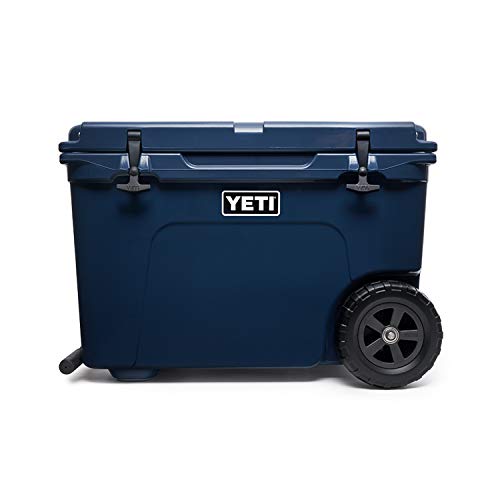
YETI Tundra Haul Portable Wheeled Cooler

Puffin Spa Robe Insulated Can Cooler

CORE Magnetic Leak Proof Soft Cooler

Laka 30QT Rolling Hard Cooler
Why These Options Stand Out
The YETI Roadie 24 Cooler earns its spot as a daily-boat favorite because the proportions just work for a center console or cuddy cabin. Its tall, slim footprint slips behind a leaning post or between seats, and the rotomolded (one-piece rotationally molded) polyethylene shell shrugs off the spray that drifts across the deck on a windy run.
Compared to the larger Tundra Haul that follows it on this list, the Roadie 24 trades raw capacity for portability, which suits small crews and day-trip itineraries. Owners commonly find the quick-latch design easier than a traditional T-handle when hands are wet or sunscreen-slick.
Positive Takeaways
- Slim profile fits behind boat seats and in tight cabin storage
- Rotomolded construction handles dock bumps and rough seas
- Stands tall enough for upright wine and 2-liter bottles
- One-piece gasket seal helps lock in cold over long afternoons
- Lighter carry weight than the wheeled Tundra Haul for short hauls
Things To Consider
- Capacity caps out for families or longer overnight trips
- No wheels, so loading from the parking lot takes effort
Quick Facts
Who It Suits Best
Day cruisers and small crews who need a tough, manageable chest that disappears into the boat rather than dominating it.
Where Another Pick Suits Better
Skippers running bigger groups or longer trips should look at the YETI Tundra Haul Portable Wheeled Cooler instead, since its wheels and larger volume ease the load.
The YETI Tundra Haul Portable Wheeled Cooler is the answer to the most common boat-day complaint: how to move a fully loaded hard cooler across a parking lot, down a dock, and onto a rolling deck. Its single-piece NeverFlat Wheels and welded aluminum StrongArm Handle were built specifically for that long pull, and they hold up to sun, sand, and saltwater spray.
Where the Roadie 24 favors compact day trips, the Tundra Haul opens up overnight and multi-day possibilities, depending on your ice and crew habits. You pay for that size in storage space, though, so smaller boats should measure first.
Where It Helps
- NeverFlat wheels roll over gravel, dock planks, and uneven pavement
- StrongArm handle telescopes and locks for controlled towing
- Thick rotomolded shell and gasket seal extend ice retention
- Generous capacity suits larger groups or multi-day charters
Trade Offs
- Larger footprint may not fit under leaning posts or in cuddy storage
- Higher cost than smaller YETI models
- Wheels add weight, so lifting into a boat still takes planning
Made For
Boaters running longer itineraries or hauling gear across rough marina surfaces who want YETI’s proven insulation without the shoulder strain.
Consider Something Else When
Tight storage and short day trips point toward the more compact YETI Roadie 24 Cooler, which fits where this wheeled unit cannot.
The Puffin Spa Robe Insulated Can Cooler is not a chest at all, and that is exactly why it earns a place here. It is a fabric sleeve that hugs a single 12 or 16 oz can, giving solo boaters a hands-free way to keep a drink cold without reaching into a wet cooler mid-troll. The sandy white finish also looks at home on a sun-bleached deck.
Unlike the hard-shell picks above, this one lives in a console cupholder or a beach bag. Treat it as a complement to a cooler rather than a replacement.
Notable Gains
- Insulated sleeve keeps a single can colder than bare metal
- Fits standard 12 and 16 oz cans and slim bottles
- Soft fabric protects hands and boat surfaces from condensation
- Folds flat for stowage in a console drawer
Worth Noting
- Holds only one drink at a time, so group trips need a real cooler too
- Fabric requires occasional rinsing to prevent mildew after salty trips
Best Suited To
Solo boaters, kayakers, and paddleboarders who want one perfectly cold drink within arm’s reach without cracking a larger chest.
Not Your Match When
Skippers feeding a crew should reach for the Laka 30QT Rolling Hard Cooler, which covers real meals and multiple cases.
The CORE Magnetic Leak Proof Soft Cooler solves a problem every boat owner recognizes: digging through a wet mess for one drink while the boat rolls. The magnetic MAGSNAP closure opens with a quick pull, the waterproof zipper seals out spray, and the welded, floatable body means an accidental overboard does not sink the whole bag.
Compared to the rigid rotomolded options earlier on this list, this soft cooler trades raw ice retention for storage flexibility. Stow it under a leaning post or behind a seat when empty.
Points In Its Favor
- Magnetic top lets you grab a drink without unzipping the full bag
- Waterproof zipper and welded seams keep saltwater out
- Floatable construction buys time if the cooler hits the water
- HYPERCOLD insulation with high-density EVA foam (a dense closed-cell cushioning layer) and reflective PET film (a shiny insulating liner) targets multi-day ice retention
- Soft sides collapse for stowage in tight boat compartments
Honest Caveats
- Soft body dents more easily than a rotomolded shell on sharp edges
- Long-term zipper care matters; rinsing after saltwater use helps prevent grit build-up
Key Product Details
Perfect Match For
Boaters who want quick, one-handed access to drinks and a packable cooler that stows under seats or in a cuddy cabin.
Look Elsewhere When
Anyone needing maximum ice time for a multi-day charter will find the YETI Tundra Haul Portable Wheeled Cooler’s rigid insulation more reassuring.
The Laka 30QT Rolling Hard Cooler brings rotomolded construction and a telescoping handle to a more accessible price point, which makes it attractive for skippers outfitting a boat on a budget. The 30-quart capacity swallows roughly 24 cans plus ice, and the built-in cup holders and bottle opener save you from digging around the deck for a flat surface.
Compared to the YETI Tundra Haul above, this Laka model skips the brand premium but still rolls, drains, and holds ice for multiple days in normal summer conditions. Rubber wheels handle dock planks and gravel without complaint.
Why It Works Well
- Rotomolded build with PU foam (closed-cell polyurethane insulation) targets multi-day ice retention
- Telescoping handle and rubber wheels ease transport over sand and docks
- Top cup holders and built-in bottle opener keep gear organized
- Drain plug simplifies melt-water clean-out at the end of the day
- More approachable price than flagship wheeled rotomolded coolers
A Few Limitations
- Insulation performance can lag behind premium brands in direct sun
- Brand ecosystem and replacement parts are smaller than the YETI lineup
Feature Snapshot
Who Should Grab It
Boaters outfitting a weekend charter or a family boat who want rotomolded durability and wheels without paying flagship prices.
A Better Fit Elsewhere
If you chase the longest possible ice retention and value a deep accessory ecosystem, the YETI Tundra Haul Portable Wheeled Cooler is the more proven path.
Choosing Boat Ice Chests That Fit How You Boat
Match Size to Crew and Trip Length
A 24-quart chest handles a small crew for a single day, while 30+ quarts covers overnight trips and feeding a family. Pick the smallest cooler that still holds your food, drinks, and ice for the full window, because extra space means extra warm air every time you open the lid.
Think About How It Gets From Car to Deck
Wheeled rotomolded (one-piece molded plastic shell) coolers earn their keep when you cross long marina parking lots or sandy beaches. A compact hard cooler with strong side handles suits smaller craft where every inch of storage matters. Soft-sided options collapse flat and fit where hard shells cannot.
Prioritize Real-World Ice Retention
Ice life depends on insulation thickness, gasket quality, and how often the lid opens. Pre-chill the chest and your drinks before loading, and pack blocks of ice on the bottom with cubed ice on top to slow melt. Drain melt water every few hours, since water conducts heat faster than air.
Plan for Saltwater and Sun
Welded seams, stainless hardware, and UV-resistant shells handle marine environments better than bargain soft coolers. A quick freshwater rinse after each trip protects zippers, gaskets, and finishes from salt corrosion.
Key Considerations Across These Picks
Where Shoppers Go Wrong
Boaters often buy a cooler sized for a tailgate rather than the boat, leaving no room for tackle, life jackets, or extra ice. Measure your available deck and storage space first, then choose capacity. Skipping a freshwater rinse after saltwater use is the other common slip-up, and it shortens zipper and gasket life fast.
When Paying More Pays Off
Higher-tier coolers earn their premium through thicker rotomolded walls, longer ice retention, and hardware that holds up to sun and salt. For full-time boaters and serious anglers, that durability and ice time pay back across years of trips. Casual weekend skippers may find a mid-tier rotomolded option like the Laka gives most of the benefit at a friendlier price.
Frequently Asked Questions
How long do boat ice chests actually keep ice?
Most rotomolded coolers hold ice for two to four days in normal summer conditions, and premium models stretch toward a week with careful packing. Pre-chilling the chest and using block ice under cubed ice noticeably extends life.
Can a soft cooler really survive on a boat?
Yes, when it is built with welded seams, a waterproof zipper, and a tough outer shell. Rinse it with fresh water after saltwater trips and dry the zipper track to prevent grit buildup.
Do I need wheels on a boat cooler?
Wheels help most across long marina parking lots and sandy launches rather than on the boat itself. For short carries from a vehicle parked near the dock, a compact cooler without wheels is easier to stow.
Is rotomolded plastic worth the cost?
Rotomolded (one-piece rotationally molded) shells resist cracking from dock impacts and insulate better than cheaper injection-molded plastic. For frequent boaters, the durability usually justifies the upgrade.
Where should I store my cooler during the off-season?
Empty, dry, and loosely latched in a shaded spot. A cracked lid under tension can warp a gasket over time, so leave it slightly open to let moisture escape.
The Takeaway
The right boat ice chest depends less on a single spec sheet and more on how you actually boat. Day-trippers on smaller craft will appreciate the slim YETI Roadie 24, while long-haul crews benefit from the wheeled Tundra Haul. Soft-sided, wheeled, and value options round out the shortlist so you can match insulation, portability, and price to your own deck.