
Walking into a backyard full of smoke can feel intimidating. Picking your first smoker is even harder, with electric, charcoal, propane, and stovetop options all promising tender results. This lineup narrows the field to models that handle the learning curve for you, so you can spend more time cooking ribs and less time guessing at temperatures.
A Fast Comparison Of The Options

EAST OAK 30″ Electric Smoker with Meat Probe & Viewing Window

EAST OAK 30″ Electric Smoker with Side Chip Loader

EAST OAK 30″ Electric Smoker with Digital Timer (Mist Silver)
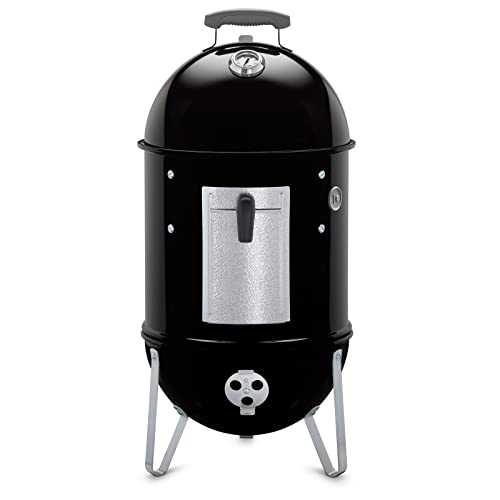
Weber Smokey Mountain Cooker 14″ Charcoal Smoker
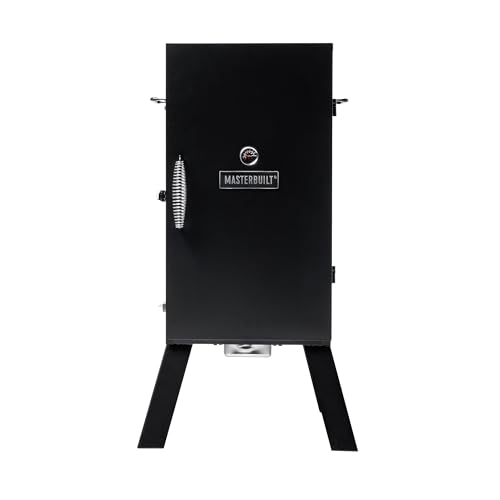
Masterbuilt 30″ Analog Electric Smoker (Black)

PIQUEBAR Vertical Propane Smoker with Cover

Char-Broil Bullet Charcoal Smoker 16″

Camerons Original Stovetop Smoker with Wood Chips
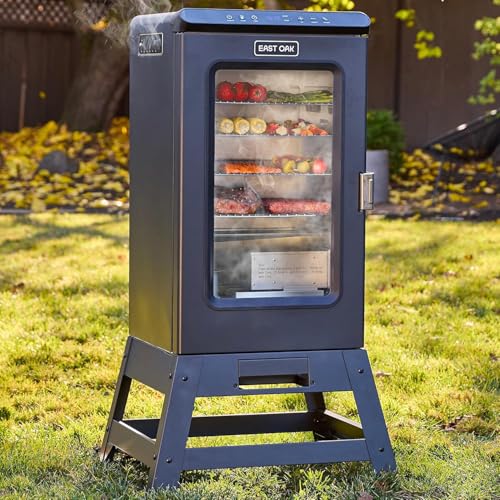
EAST OAK Ridgewood Pro 30″ Electric Smoker with Elevated Stand

Oklahoma Joe’s Bronco 18″ Drum Smoker and Grill
Taking A Closer Look At The Options
Electric smokers remove the biggest hurdle new cooks face: managing fire. The EAST OAK 30-inch vertical cabinet plugs into a standard outlet, holds a steady temperature through its 800W heating element, and lets you peek at progress through a front window without losing heat.
For most first-timers, the 725-square-inch interior is enough to smoke two pork butts or a full pack of ribs in one pass. Compared to the Masterbuilt analog model further down, this one adds a built-in probe that reads internal meat temperature, so you stop guessing when the brisket is actually done.
Everyday Wins
- Built-in meat probe displays internal temperature in real time, removing the need to crack the door and lose heat.
- Side wood chip loader lets you add chips without opening the main chamber, extending smoke sessions up to six times longer per load.
- Clear viewing window means you can monitor bark formation without releasing smoke or heat.
- 725-square-inch rack fits a whole brisket flat or multiple racks of ribs at once.
Things To Consider
- The exterior housing can show fingerprints and dust, so plan on wiping it down between cooks.
- Electric models need a grounded outdoor outlet nearby, which may require an extension cord run.
Feature Snapshot
Who It Suits Best
First-time smokers who want probe accuracy and a window to learn from without managing live coals.
Where Another Pick Suits Better
Charcoal traditionalists may prefer the Weber Smokey Mountain Cooker 14″ for a hands-on fire experience.
Stripped of the probe and window, this EAST OAK 30-inch model focuses purely on what most beginners actually need: a 725-square-inch cabinet, a side chip loader, and a simple dial control. The trade-off shows up on the feature list, but the core cooking experience stays the same as Item 1.
If your goal is pulled pork on a budget without a digital screen, this is the cleaner entry point. Where Item 1 helps you learn through visuals, this one forces you to trust the dial, which builds intuition faster for some cooks.
Reasons It Performs
- Same 725-square-inch cooking area as the higher-tier EAST OAK models for full-batch cooks.
- Side chip loader keeps smoke flowing for hours without door interruptions.
- Simplified control panel reduces the learning curve for anyone new to electric smoking.
- Analog-style operation costs less upfront than digital-equipped siblings.
Honest Caveats
- No internal probe means you’ll rely on a separate instant-read thermometer.
- Without a window, checking bark means cracking the door and losing a few degrees each time.
The Right Fit
Budget-conscious beginners who already own a thermometer and want the same cabinet footprint as premium EAST OAK models.
Swap It Out When
You’d rather watch the cook through glass and skip the door cracks, in which case the EAST OAK 30″ with Viewing Window is the better upgrade path.
The Mist Silver edition adds the one feature busy cooks ask about most: a 12-hour digital timer with an automatic Keep Warm mode. Set your target temperature up to 275°F, dial in a duration, and the smoker holds food at 120°F when the cook ends instead of overcooking overnight.
Compared to Item 2’s analog simplicity, this model trades a lower price for programmable peace of mind. The built-in probe still tracks internal temperature, which pairs well with the timer for hands-off overnight briskets.
Points In Its Favor
- 12-hour digital timer auto-switches to Keep Warm at 120°F, preventing overcooked overnight cooks.
- Integrated meat probe with a clear digital readout removes guesswork on doneness.
- Same 725-square-inch capacity as the rest of the EAST OAK 30-inch lineup.
- Side chip loader supports long, uninterrupted smoke sessions.
- Up to 275°F max temperature handles poultry and ribs with reliable convection heat.
Points To Note
- Digital controllers can occasionally need a reset after power blips, so a surge protector is wise.
- Cleaning the digital control panel requires a dry cloth; spray cleaners can damage the membrane.
Who Should Grab It
Cooks who want set-and-forget operation for overnight briskets or full-day ribs without hovering.
Skip It When
You prefer the tactile feel of analog dials, in which case the Masterbuilt 30-inch analog model is a more affordable alternative.
The Weber Smokey Mountain 14-inch is the charcoal smoker most people recommend when asked where to start. Its porcelain-enameled steel body holds heat well, and the adjustable dampers on the bottom and lid give you real-time control over airflow and temperature without electricity.
Unlike the electric EAST OAK models, this one teaches fire management from day one. Two cooking grates let you separate proteins from sides, and the iconic bullet shape circulates smoke efficiently around smaller cuts.
What Helps Most
- Adjustable top and bottom dampers let you fine-tune temperature without lifting the lid.
- Two cooking grates double your usable space for mixed smokes like ribs and wings.
- Porcelain-enameled steel construction resists rust and cleans up with a simple wipe-down.
- No electricity needed, making it portable for tailgates, camping, or off-grid cooking.
Some Limits To Know
- Charcoal requires lighting, monitoring, and refueling during long cooks.
- The 14-inch footprint is compact, so whole hogs or large briskets won’t fit comfortably.
Feature Snapshot
Whose Shelf It Belongs On
Traditionalists who want to learn charcoal fundamentals and don’t mind managing fire during long cooks.
Look Elsewhere When
You want plug-in simplicity, in which case the EAST OAK 30″ with Viewing Window removes the fire management entirely.
Masterbuilt has been the default name in vertical electric smokers for a reason. This 30-inch analog model strips the experience down to a temperature knob, a simple timer, and three chrome-coated smoking racks inside a 535-square-inch cabinet.
The catch is space. Compared to the EAST OAK 30-inch lineup’s 725-square-inch interiors, this cabinet runs tighter, which matters when smoking two full racks of ribs plus sides. For typical family meals, the capacity still works fine.
A Few Highlights
- Analog control panel is the simplest interface in this roundup, ideal for tech-averse beginners.
- Three chrome-coated smoking racks stack efficiently for ribs, chickens, or fish in separate zones.
- Wood chip tray slides out for fast refueling without losing cabinet heat.
- Plug-and-play setup requires no charcoal, propane, or fire starting.
Worth Noting
- Smaller 535-square-inch cooking area means fewer full-batch cooks than the 725-square-inch EAST OAK models.
- Analog dials require occasional calibration checks after extended use.
Made For
Anyone who values Masterbuilt’s reputation and wants a no-frills analog entry point for weekend smoking.
Consider Something Else When
Bigger family meals are the norm, in which case the EAST OAK 30″ Electric Smoker offers nearly 200 more square inches of cooking area.
Propane smokers split the difference between charcoal flavor and electric convenience. The PIQUEBAR vertical cabinet runs on a small propane tank, heats up faster than charcoal, and uses a wood chip tray over the burner for smoke generation. Three removable racks give you flexible batch sizes.
Where electric models need an outlet, propane needs a tank. The included cover protects the cabinet when it’s not in use, which helps patio smokers who leave their unit outdoors between sessions.
Standout Benefits
- Propane heats the cabinet faster than charcoal, reaching cooking temperatures in roughly 15 to 20 minutes.
- Three removable racks let you customize spacing for tall items like whole chickens or short ribs.
- Included weather cover protects the smoker during off-season storage on a patio or deck.
- Sealed-door design holds smoke steadily without the constant refueling of charcoal.
Practical Considerations
- Propane tanks require separate purchases and periodic refills at hardware stores.
- Burner soot can build up over time, so an annual deep clean of the burner area is recommended.
At A Glance
Best Suited To
Patio smokers who already have a propane tank and want faster startup than charcoal offers.
Not Your Match When
You don’t want to manage a propane tank, in which case the Masterbuilt 30-inch analog electric model is a simpler plug-in alternative.
The Char-Broil Bullet 16-inch is the friendliest charcoal smoker for small backyards. Its airflow control system simplifies temperature management through a bottom damper and top vent, and the porcelain-coated body keeps cleanup manageable after a long cook.
Compared to the Weber Smokey Mountain 14-inch, this model adds a removable ash pan that catches debris below the charcoal grate. That single addition saves a lot of mess during post-cook cleanup.
Positive Points
- Removable ash pan catches debris for quick, no-mess disposal after each cook.
- Porcelain-coated steel interior resists rust and wipes clean between sessions.
- Simple damper system on the lid and base keeps temperature adjustments approachable for beginners.
- 16-inch body fits two small racks of ribs or a whole chicken with room to spare.
Room For Improvement
- Smaller diameter than full-size cabinet smokers limits party-sized batches.
- Charcoal-only operation means lighting time and fuel management on every cook day.
Perfect Match For
Beginners with limited patio space who want charcoal flavor without committing to a large offset cooker.
Another Choice May Suit
The Weber Smokey Mountain Cooker 14″ is a better choice for shoppers who value Weber’s reputation and damper precision.
For anyone without a yard, the Camerons Stovetop Smoker turns any gas or electric burner into a smoke chamber. The 11 by 15-inch stainless steel pan holds a drip tray, a stick-free rack, and a lid that traps smoke around the food. It comes with apple, oak, and hickory wood chips and a recipe guide to get you started.
The format is unusual in this roundup. Where every other entry here is a full-size cabinet, this one lives in a kitchen drawer. You lose capacity but gain the ability to smoke a few salmon fillets or chicken breasts on a weeknight without leaving the apartment.
Notable Upsides
- Compact 11 by 15-inch footprint fits in a cabinet and sets up on any stovetop burner.
- Includes apple, oak, and hickory wood chips so you can experiment with flavors on day one.
- Doubles as a steamer, poacher, or roasting pan when not actively smoking.
- Stainless steel construction wipes clean and resists flavor carryover between cooks.
Practical Considerations
- Capacity is limited to small cuts; this is not the smoker for a full brisket or party-sized ribs.
- Indoor use requires proper kitchen ventilation since stovetop smoking does produce visible smoke.
Right Fit For
Apartment dwellers and renters who want real smoke flavor without owning a balcony-sized appliance.
A Better Fit Elsewhere
Anyone with outdoor space for a full cabinet smoker should look at the EAST OAK 30″ lineup for far greater capacity.
The Ridgewood Pro solves a problem most beginners don’t think about until their back hurts: it sits on an elevated stand, putting the cabinet door at a comfortable height for loading and unloading. The 725-square-inch interior matches the rest of the EAST OAK 30-inch family, and the built-in probe plus side chip loader carry over too.
Think of it as Item 1 with an ergonomic upgrade. Where the standard model sits low to the ground, this one is built for cooks who don’t want to crouch every time they check a brisket.
Where It Helps
- Elevated stand reduces bending, making long cooks easier on the back and knees.
- Built-in meat probe displays internal temperature for confident doneness checks.
- Same 725-square-inch cooking area and side chip loader as other EAST OAK 30-inch models.
- Night Blue finish adds a slightly more premium visual look for styled patios.
Trade-Offs
- Higher stand profile takes up more vertical clearance, which matters under patio covers.
- Stand assembly adds an extra step to initial setup compared to standard cabinet smokers.
Feature Rundown
Who Will Love This
Older cooks, tall cooks, or anyone who has felt the strain of loading a low-sitting cabinet smoker after a few hours.
Look Elsewhere When
Your patio cover has limited vertical clearance, in which case the standard EAST OAK 30″ without the elevated stand fits better.
The Oklahoma Joe’s Bronco is a hybrid that most beginners don’t expect. The 18-inch drum functions as a charcoal smoker for low-and-slow ribs and then converts into a high-heat grill for steaks and burgers. An included rib hanging kit adds a third cooking style for hanging briskets or sausage.
Compared to the Weber 14-inch bullet or Char-Broil 16-inch models, this one runs heavier and more involved. The trade-off is versatility: one piece of equipment covers smoking, grilling, and hanging cooks without a separate grill purchase.
What Makes Sense
- Doubles as a grill for high-heat searing without buying a second appliance.
- Included rib hanging kit supports hanging-style smoking for sausage and small briskets.
- Heavy-duty construction handles frequent use across multiple cooking styles.
- Drum format circulates smoke evenly around smaller cuts like chicken halves.
Points To Keep In Mind
- Heavier build makes it less portable than smaller bullet smokers for tailgates or camping.
- Multi-function design requires more setup time between smoking and grilling sessions.
Built With In Mind
Backyard multitaskers who want one piece of equipment that handles both smoking and grilling duty.
Reach For A Different Pick When
Simplicity matters most, in which case the Char-Broil Bullet 16″ stays focused on pure smoking without the grill conversion.
What Matters Most When Choosing Your First Smoker
Fuel type sets the tone for everything else. Electric models are the most forgiving because they regulate temperature through a heating element rather than fire, making them the natural starting point for anyone who hasn’t managed live coals. Charcoal smokers reward you with deeper smoke flavor but demand more attention during long cooks. Propane splits the difference and heats up faster, though it requires a separate tank.
Capacity should match your typical cook size. A 725-square-inch cabinet fits a full brisket flat or multiple racks of ribs at once, while a 14- to 18-inch bullet smoker handles one to two proteins comfortably. Cooks hosting parties or feeding large families benefit from extra rack space.
Reading The Spec Sheet
Voltage, wattage, and BTU ratings tell you how much heat a smoker can sustain. Electric smokers in the 800W range hold steady temperatures without recovery dips. Propane burners measured in BTUs reach cooking temperature faster than charcoal, which matters on busy weeknights.
Build Quality And Materials
Porcelain-enameled steel resists rust and wipes clean, which is why it shows up across Weber and Char-Broil models. Stainless steel components on accessories like drip trays last longer under frequent heat cycling. Heavier gauge metal retains heat more consistently but adds weight.
Ease Of Cleaning
Look for removable ash pans, slide-out drip trays, and accessible wood chip loaders. Beginners who avoid messy post-cook cleanup tend to use their smokers more often, which is the real path to improving your results.
Key Considerations Across These Picks
Pitfalls Shoppers Hit
Choosing the largest smoker you can afford often backfires for beginners. A bigger cabinet means more food to manage and longer cook times, which can discourage new pitmasters before they build confidence. Start with a model sized for two to four people and upgrade once you’ve mastered the basics.
Ignoring fuel logistics creates real headaches. Electric smokers need a grounded outdoor outlet within cord reach. Charcoal requires storage space for bags and kindling. Propane tanks need refill trips that interrupt weekend plans. Match the fuel type to your actual living situation before picking a model.
Where The Extra Money Goes
Premium tiers buy monitoring and convenience features rather than better smoke. Built-in meat probes eliminate guesswork on doneness, and digital timers with auto-warm modes prevent overcooking during overnight cooks. Side chip loaders extend smoke sessions without opening the main door.
You pay for material upgrades too. Thicker gauge steel holds heat more steadily, and porcelain-enameled finishes resist rust over years of outdoor exposure. For cooks who plan to use their smoker weekly, those build upgrades earn their keep over time.
Frequently Asked Questions
What Is The Easiest Smoker For A True Beginner?
Electric vertical smokers are generally the easiest entry point because they regulate temperature automatically. The EAST OAK 30-inch lineup and the Masterbuilt analog model both fit this profile, with simple dials and minimal fire management required.
How Long Does It Take To Learn Smoking?
Most beginners feel comfortable running a steady low-and-slow cook within three to five sessions. Starting with forgiving proteins like chicken thighs or pork shoulder gives you room to make small mistakes without ruining the meal.
Can Beginners Use A Charcoal Smoker?
Yes, though the learning curve is steeper. Bullet smokers like the Char-Broil 16-inch or Weber 14-inch use simple damper systems that make temperature control approachable once you understand how airflow affects heat.
What Wood Chips Should Beginners Start With?
Hickory and apple are two of the most forgiving flavors for new cooks. Hickory delivers a classic bold smoke that pairs with red meats, while apple gives a milder sweetness that works well on poultry and pork.
Do I Need A Meat Probe Right Away?
A separate instant-read thermometer is essential regardless of model. Built-in probes on smokers like the EAST OAK 30″ with Viewing Window add convenience, but learning to use a standalone thermometer builds better intuition for any smoker you use later.
Bottom Line
The best beginner smoker is the one that matches your living situation and willingness to learn. Electric cabinet models offer the smoothest entry, while charcoal bullet smokers teach fundamentals that pay off for years. Pick based on how much attention you want to give the cook, then commit to a few sessions before judging results.