
Yellow jackets are notoriously aggressive, and a standard cotton jacket won’t cut it when you’re working a nest or tending hives in late summer. The right bee suit acts like a second skin, sealing out stingers while letting enough airflow pass through to keep you from overheating. Whether you’re a hobbyist beekeeper, a pest-removal professional, or someone clearing out a backyard nest, the right protective gear makes the difference between a calm afternoon and a painful one.
A Side-By-Side Look
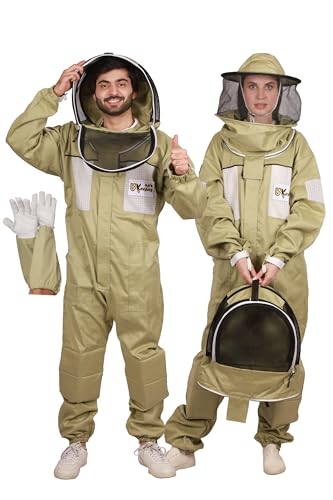
USKeepers Ultra-Ventilated Polycotton Beekeeping Suit (Olive, 2XL)
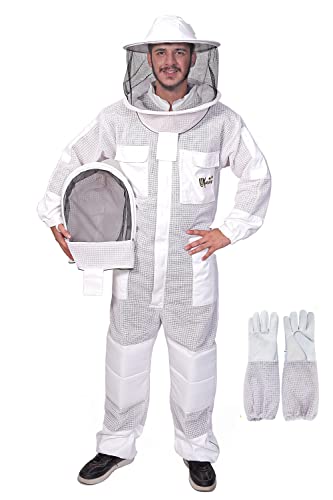
USKeepers 3-Layer Ultra Ventilated Sting Proof Bee Suit (White XL)

USKeepers 3 Layer Ventilated Sting Proof Bee Jacket (White J/L)

Forest Beekeeping Cotton Bee Jacket with Veil and Gloves

Bees & Co K74 Natural Cotton Beekeeper Jacket

Forest Beekeeping Ventilated 3-Layer Bee Jacket (Large)

YFFUSHI Men’s Slim Fit Casual Blazer Jacket

YFFUSHI Mens Slim Fit Blazer 2 Button Sport Coat
A Deeper Look At The Lineup
Full-body bee suits earn their keep when ground-nesting yellow jackets are part of the job, and this USKeepers option covers the full surface area from ankle to crown. The polycotton weave sits at 280 GSM (grams per square meter, a mid-weight fabric density), giving it enough heft to blunt stingers without feeling like a winter coat. For anyone running multiple hives on a property where yellow jackets forage aggressively in August, the leg coverage is non-negotiable.
The included gloves and two interchangeable veils give you a backup option the first time one veil gets snagged on a branch. Compared to the USKeepers 3-layer suit reviewed next, this version trades some airflow for a tighter weave and slightly more durable fabric over the long run.
Where It Delivers
- Full-body coverage protects ankles and lower legs from ground-nesting yellow jackets
- 280 GSM polycotton balances sting resistance with manageable weight
- Two veils included, so you always have a clean spare on hand
- Ventilation panels at the chest, back, and arms help sweat evaporate during long sessions
Things To Consider
- Heavier than a mesh-only suit, so it runs warmer in direct midday sun
- Polycotton requires prompt washing after heavy use to prevent odor buildup
Feature Snapshot
Who Will Love This
Beekeepers managing colonies in transitional seasons and property owners tackling ground-level yellow jacket nests will appreciate the full-leg protection and balanced fabric weight.
Look Elsewhere When
Anyone working hives in hot, humid climates may find the USKeepers 3-Layer Ultra Ventilated Sting Proof Bee Suit easier to wear for extended periods.
Three layers of mesh sound counterintuitive until you put this suit on: each layer creates a small air gap, and stacked together they still block a stinger while letting heat escape. For beekeepers in the Deep South or anyone running inspections through July and August, that airflow matters more than a slightly heavier fabric weight.
Compared to the USKeepers Ultra-Ventilated Polycotton suit above, this design sacrifices a bit of the smooth outer surface for dramatically better cooling. Two detachable veils and goatskin gloves round out a kit designed for repeated, prolonged use.
Key Advantages
- Three-layer mesh design creates air pockets that release body heat quickly
- Detachable veils simplify laundering and replacement if one veil wears out
- Full-body suit pattern eliminates the gap between jacket and trousers that bees exploit
- Light enough for hobbyists who only suit up a few times each month
Points To Note
- Mesh layers snag on rough branches and barbed-wire fencing more easily than smooth polycotton
- Light-colored fabric shows pollen and propolis stains after just a few hive visits
- Requires gentle washing to preserve the layered structure over time
Made For
Beekeepers in warm, humid regions and anyone running long summer inspections will get the most out of the three-layer cooling design.
Reach For A Different Pick When
Those working in cooler climates or around thorny brush may prefer the snag-resistant polycotton USKeepers Ultra-Ventilated suit reviewed first.
Jackets make sense when your lower half is already covered by sturdy trousers and the real sting risk sits up around the veil and collar. The USKeepers ventilated bee jacket delivers that targeted protection without the bulk of a full suit, and the brass YKK zippers (a premium zipper brand known for long-term durability) hold up to repeated tugging better than the molded plastic alternatives.
Compared to the full USKeepers suit in pick one, this jacket trades full-leg coverage for a lighter feel and quicker on-off cycles between inspections. Goatskin gloves with ventilated long cuffs seal the gap between sleeve and wrist.
Notable Gains
- Brass YKK zippers resist splitting after months of weekly use
- Three-layer mesh keeps the torso significantly cooler than a solid weave
- Ventilated glove cuffs slide over jacket sleeves without bunching
- Includes two interchangeable veils for routine cleaning and replacement
- Quick to remove between hive checks, so casual beekeepers stay comfortable
Worth Noting
- Leaves legs exposed, so it is not suitable for ground-nesting yellow jacket work
- White mesh shows grime and propolis quickly in working apiaries
Quick Facts
Best Suited To
Active beekeepers running frequent frame inspections and anyone who already owns sturdy work trousers will appreciate the jacket-only design.
A Better Fit Elsewhere
Property owners clearing ground-level yellow jacket nests should consider the full USKeepers Ultra-Ventilated Polycotton suit for proper leg protection.
Pure cotton feels familiar to anyone who has worn a work shirt, and that familiarity is exactly what new beekeepers need when they’re already nervous around a hive. Forest Beekeeping Supply keeps the design simple: a single-layer cotton jacket, a fencing veil, and a pair of gloves. The fire-retardant mesh in the veil adds a meaningful safety layer near smokers and lit hive tools.
Where the USKeepers three-layer jacket in pick three pushes cooling to the limit with stacked mesh, this Forest model leans on breathable cotton and a lower price to ease newcomers into protective gear.
What Stands Out
- 100% cotton construction feels soft against the skin and breaks in quickly
- Fire-retardant veil mesh adds protection around smokers and lit tools
- Fencing veil style keeps mesh away from the face for clearer sight lines
- Accessible price point suits first-time beekeepers testing the hobby
Honest Caveats
- Single-layer cotton runs hotter than three-layer ventilated mesh designs
- Cotton absorbs sweat and propolis, so it needs washing after every major session
- Jacket-only format leaves legs exposed during yellow jacket ground work
Key Product Details
Right Fit For
First-season beekeepers and hobbyists working a few backyard hives will find the cotton comfort and simple design easy to live with.
Swap It Out When
Anyone working through the heat of mid-summer may find the USKeepers 3 Layer Ventilated Sting Proof Bee Jacket more comfortable for extended sessions.
The K74 cuts a thoughtful middle path: natural cotton for breathability, an elasticated waist and cuffs to keep the fabric close to your body, and thumb loops that prevent sleeves from riding up when you reach into a deep frame. Three self-fastening pockets add real utility for carrying hive tools, a brush, or a phone.
For anyone wondering whether they even need a jacket over a basic hoodie, the K74 offers a smarter entry point than the Forest model above and pairs a unisex cut with sizing aimed at people between roughly 5’9″ and 5’10”.
Good Reasons To Consider
- Elastic thumb loops stop sleeves from sliding up while lifting frames
- Three pockets with self-fastening flaps hold hive tools securely
- Heavy-duty zippers handle repeated daily use without splitting
- Unisex cut and natural cotton suit a wide range of body types
A Few Limitations
- Single-layer cotton is heavier and warmer than three-layer ventilated alternatives
- Sizing targets a narrower height range, so taller or shorter users may need to size up
Whose Shelf It Belongs On
Casual beekeepers and budget-focused hobbyists who want a sturdy cotton jacket without paying for layered mesh technology will appreciate the K74’s practical build.
Consider Something Else When
Beekeepers in consistently hot weather should look at the USKeepers 3-Layer Ultra Ventilated Sting Proof Bee Suit for noticeable cooling benefits.
Forest Beekeeping Supply’s ventilated jacket takes the layered-mesh approach and adds sturdy brass zippers for users who treat their gear hard. The three intersecting mesh layers create enough separation that stingers rarely reach the skin, while the brass hardware shrugs off the kind of yanking that cracks plastic teeth on cheaper alternatives.
Where the Bees & Co K74 above leans on cotton comfort, this Forest design trades the natural-fiber feel for a tougher, more synthetic construction built around heavy seasonal use.
The Case For It
- Brass zippers resist corrosion and wear in humid bee yard conditions
- Three-layer mesh delivers meaningful airflow without sacrificing sting protection
- Detachable fencing veil simplifies cleaning and replacement
- Gloves included in the kit, so the jacket arrives ready to wear
- Hood design covers the neck and throat where defensive bees often target
Trade Offs
- Mesh fabric snags more easily than smooth cotton around branches and equipment
- Jacket-only coverage means trousers need to be sturdy for yellow jacket ground work
- Light color shows stains quickly without regular laundering
Built With In Mind
Working beekeepers managing aggressive colonies and anyone suiting up frequently through the warm months will appreciate the reinforced hardware and full torso coverage.
Where A Sibling Pick Shines
Those who prefer natural fibers against the skin may find the Bees & Co K74 Natural Cotton Beekeeper Jacket a softer everyday option.
Stepping out of the apiary for a moment, the YFFUSHI one-button blazer earns its spot in a category defined by lightweight layering. The slim cut and minimal hardware make it a straightforward choice for anyone needing a sharp jacket that doesn’t add bulk under a coat in cooler months.
This is not protective gear for stinging insects, but its inclusion in the broader category of full-coverage jackets speaks to how varied “jackets” can be as a product type. For office-to-evening wear, the slim profile and light fabric beat bulkier unstructured alternatives.
What Works In Its Favor
- Slim fit layers cleanly over a button-down without bunching at the shoulders
- Lightweight fabric makes it comfortable across spring and early fall
- Single-button closure keeps the silhouette uncluttered
Room For Improvement
- Not designed for protective use around bees or stinging insects
- Slim cut may feel restrictive over thicker sweaters in winter
The Right Fit
Anyone needing a sharp, low-maintenance blazer for office days, dinners, or casual events will find this style easy to wear.
Skip It When
Shoppers wanting maximum sting protection should return to the Forest Beekeeping Ventilated 3-Layer Bee Jacket for proper bee yard coverage.
The two-button sibling to the YFFUSHI blazer above offers a slightly more traditional closure that suits business-casual offices and weekend weddings equally well. Like the one-button version, the fabric stays light enough to wear across multiple seasons without overheating.
For shoppers comparing the two YFFUSHI blazers in this lineup, the difference comes down to styling preference: one-button reads modern and minimalist, while two-button leans classic and slightly more formal.
Strong Points
- Two-button closure delivers a versatile classic silhouette
- Lightweight build works across three-season wardrobes
- Slim fit layers smoothly without adding shoulder bulk
- Pairs easily with denim or trousers depending on the occasion
Things To Weigh Up
- Same caveat as the one-button blazer: not protective equipment for bee or wasp work
- Limited structure means it relies on the wearer for a crisp look
Who Should Grab It
Anyone building a flexible smart-casual wardrobe will appreciate a blazer that works for both office days and weekend events.
Another Choice May Suit
For a more minimal, contemporary silhouette, the YFFUSHI Men’s Slim Fit Casual Blazer Jacket offers a one-button alternative with the same lightweight feel.
What To Weigh Before Choosing Protective Gear
Ventilation And Layer Count
The single biggest comfort factor in any bee suit or jacket is how it manages heat. Single-layer cotton breathes well but offers minimal sting cushioning, while three-layer mesh creates intentional air gaps that release heat while keeping stingers away from the skin. Hot-climate beekeepers generally find layered mesh worth the slightly higher cost, and cold-climate users often prefer cotton for its familiar feel.
Full Suit Versus Jacket
Full-body suits protect the legs, which matters when yellow jackets nest in the ground or low shrubs. Jackets leave the legs to your own trousers, which is fine for routine hive inspections but risky during nest removal work. Matching the garment to the actual job prevents both over-protection (overheating during quick checks) and under-protection (exposed skin during aggressive work).
Hardware And Closure Quality
Zippers fail before fabric does on most protective gear. Metal zippers, particularly YKK brass designs, hold up to years of yanking and washing better than plastic alternatives. Elastic cuffs, thumb loops, and reinforced thumb areas extend the life of a jacket by reducing stress on the seam where the sleeve meets the wrist.
Veil Style And Visibility
Fencing veils pull mesh away from the face, which keeps glasses clear and vision unobstructed. Round veils sit closer to the head and offer a wider field of view but can press mesh against the nose and mouth in humid weather. Detachable veils simplify laundering and let you replace a single damaged component instead of the whole jacket.
Smart Considerations Across These Picks
Hidden Buying Traps
Sizing varies wildly across beekeeping brands, and a jacket that fits a casual blazer shopper may run tight over a hoodie in a bee yard. Reading the size chart carefully and accounting for the clothing you’ll wear underneath prevents returns. Another common slip: ordering a jacket-only style when yellow jacket nests in your area sit at ground level, where leg coverage matters more than torso airflow.
Where The Extra Money Goes
Premium-tier suits and jackets earn their higher cost through layered mesh ventilation, brass hardware, and goatskin gloves. For hobbyists running a handful of hives in mild climates, mid-tier cotton jackets deliver plenty of protection. For commercial beekeepers working long hours in summer heat, the upgrade to layered mesh and metal hardware pays off through reduced fatigue and longer gear lifespan.
Frequently Asked Questions
Can a beekeeping jacket handle yellow jackets effectively?
Yes, when the fabric weight, weave, and closure system are designed for aggressive stinging insects. Three-layer mesh and mid-weight polycotton both block stingers reliably, and elastic cuffs prevent insects from finding gaps at the wrists.
Do I need a full bee suit or just a jacket?
The choice depends on where the yellow jackets are. Hive inspections from above rarely require leg protection, while ground-nesting yellow jackets demand a full suit. Property owners removing nests should always choose full coverage.
How important is veil ventilation?
Very. A poorly ventilated veil fogs glasses and traps exhaled air against the face, which both reduces visibility and increases panic during close encounters with defensive bees. Fencing veils with raised mesh solve most of these problems.
Should I buy a ventilated mesh suit or a cotton one?
Ventilated mesh suits excel in hot, humid climates and during summer inspections. Cotton suits and jackets work better in cooler weather and for users who prefer natural fibers against the skin. For most hobbyists in temperate regions, a mid-weight cotton jacket with a good veil is a sensible starting point.
How should I clean and store my bee suit or jacket?
Most cotton and mesh garments can be machine-washed on a gentle cycle with mild detergent, then air-dried away from direct sunlight to protect elastic and veil mesh. Storing the suit clean and dry in a sealed bin prevents wax moth damage and keeps the fabric ready for the next inspection.
Closing Thoughts
The right bee suit or jacket turns a stressful yellow jacket encounter into a manageable one, and the eight options above cover the most common scenarios hobbyists and property owners face. Match the garment to your climate, the location of the insects, and the length of your typical session, and the gear will earn its keep for many seasons.