
Camping in bear country means layering smart, packing warm, and trusting your sleep system. The wrong bag turns a scenic weekend into a sleepless one, especially when temperatures drop hard after sundown. This guide rounds up six solid sleeping bags spanning cold-weather canvas, roomy family sizes, and even a baby wearable, so you can match the right shelter to your trip. Each pick reflects real ownership tradeoffs, not just spec-sheet bragging.
The Leading Options At A Glance

ALPS OutdoorZ Redwood -10°F Flannel Sleeping Bag
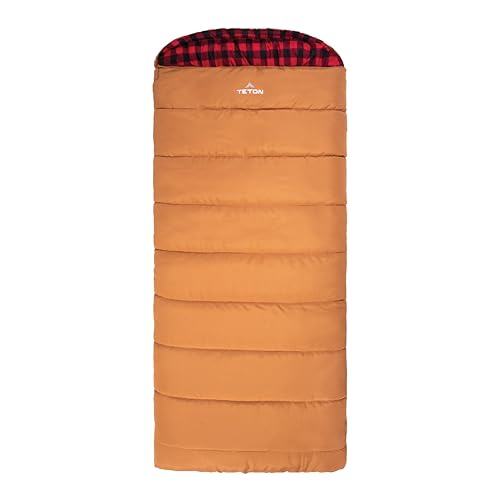
TETON Sports Deer Hunter Sleeping Bag

Hudson Baby Plush Faux Fur Sleeping Bag

COLIKESEA 3-4 Season Lightweight Sleeping Bag

Naturehike Big & Tall Flannel Sleeping Bag

Naturehike Double Sleeping Bag with Pillows
The Strengths Of Each Pick
Built for the kind of cold that wakes you up shivering at 2 a.m., the ALPS OutdoorZ Redwood delivers serious canvas-backed warmth in an oversized rectangle footprint. The cotton shell feels closer to a wool blanket than a slick nylon shell, which trades ultralight packability for genuine frost-weather resilience. Where the COLIKESEA and Naturehike bags aim for trail efficiency, the Redwood instead feels like a cabin-and-truck-camper kind of bag.
You trade compressibility for a flannel-lined interior and a heavy-gauge zipper system that doesn’t snag on itself mid-night. For hunters sitting in a wall tent or cold-weather campers parked at a base camp, that tradeoff pays off. For backpackers counting every ounce in their pack, it doesn’t.
Advantages To Know
- 100% cotton canvas shell shrugs off abrasion from truck beds, dog hair, and firewood debris.
- TechLoft® fiber fill delivers a -10°F comfort rating without the bulk of down clusters.
- Oversized rectangular cut gives restless sleepers room to sprawl without unzipping.
- Plaid flannel lining feels soft against bare skin, useful on cold nights when you strip layers fast.
- Heavy-duty zippers hold up to repeated entry and exit, common when nature calls at night.
Worth Noting
- Canvas shell adds real weight, so hauling it on a long trail hike gets tiring.
- Lofted fiber insulation takes longer to air out after humid nights, a typical cotton-bag trait.
- Bulk means it won’t compress into a tiny stuff sack for backpackers chasing ultralight setups.
Who Should Grab It
Hunters, ice anglers, and car campers who camp in shoulder-season or true winter conditions and want canvas durability over featherweight design.
Consider Something Else When
Long-distance backpackers should reach for the COLIKESEA 3-4 Season Lightweight Sleeping Bag instead, since trail weight and pack size matter more than sub-zero ratings.
The TETON Sports Deer Hunter sits in that sweet spot between old-school canvas toughness and modern sleeping-bag comfort. Its poly-cotton canvas shell takes a beating from rough terrain, firewood, and repeat use, while the mummy-style hood cinches around your head to trap heat where you lose it fastest. Compared to the ALPS Redwood’s pure cotton canvas, this bag blends synthetic fibers for easier cleaning and faster drying after wet nights.
It’s a bag built to outlast a decade of weekend trips rather than a few seasons. You might find the cut more relaxed than a technical mountaineering mummy, which suits people who toss and turn but still want hooded warmth. For a guest bunkhouse or a pickup-truck bed, this is the kind of bag you hand down.
The Value In It
- Poly-cotton blend dries quicker than pure cotton after damp morning dew.
- Fiber fill rated below freezing handles late-fall and early-winter trips.
- Cinch hood keeps your head warm without a separate beanie in moderate cold.
- Durable outer shell survives being dragged across gravel pads.
Trade Offs
- Heavier than synthetic mummy bags, so trail mileage adds up fast.
- Mummy cut feels snug for stomach sleepers who prefer flat-out sprawl.
Feature Snapshot
Right Fit For
Multi-year hunters and campers who want a hooded canvas bag that survives rough use without babying.
A Better Fit Elsewhere
Parents outfitting a nursery will find the Hudson Baby Plush Faux Fur Sleeping Bag far more practical for indoor infant sleep.
A bear sleeping bag earns its keep in the backcountry, but this Hudson Baby wearable shows the same blanket-sleep concept scales down to infants. The plush faux-fur build keeps little ones warm without loose bedding, which matters in nurseries where safe-sleep guidelines rule out traditional comforters. Where the ALPS and TETON bags serve adults in cold forests, this one solves a totally different problem on a nursery floor.
It’s a wearable blanket, not a camping shell, so the value here is everyday home use during nap time and overnight sleep. Parents chasing a softer, cozier sleep setup for cooler bedrooms will appreciate the long-sleeve cut. For camping itself, look at the other picks in this roundup.
What Helps Most
- Faux-fur inner layer holds body heat without overheating warm sleepers.
- Wearable design replaces loose blankets, which pediatricians discourage for infant safety.
- Plush outer fabric is gentle against sensitive baby skin.
Points To Note
- Sizing runs by age range, so check the size chart before settling on a fit.
- Faux-fur texture requires gentle washing cycles to avoid matting over many washes.
Made For
New parents outfitting cooler nurseries who prefer wearable blankets over loose bedding for safer infant sleep.
Skip It When
Adult campers headed into bear territory will want the ALPS OutdoorZ Redwood or TETON Deer Hunter instead.
When the trail demands ounces, the COLIKESEA 3-4 Season bag sheds the canvas weight that makes the ALPS and TETON bags feel like hauling a wool horse blanket. Its waterproof shell handles surprise showers on spring and fall ridges, where the 50-80°F comfort range covers three-season backpacking. This is a backpacker’s pick, not a base-camp pick.
At roughly 86 by 31.5 inches, it fits adults up to about 5’11” with enough shoulder room for restless sleepers. You trade sub-zero capability for packability, so winter campers in true cold should still look at the canvas picks above. For everything from late-spring weekends to fall-color hikes, it’s a sensible midweight compromise.
Notable Upsides
- Waterproof shell handles damp ground and unexpected weather on trail.
- Lightweight design keeps pack weight manageable on long mileage days.
- Wide 50-80°F comfort range suits spring, summer, and fall conditions.
- Versatile sizing works for adults, teens, and older kids in growing families.
Room For Improvement
- Temperature rating bottoms out around 50°F, so winter trips require layering.
- Mummy-style cut feels tight for stomach sleepers used to rectangular bags.
Feature Card
Best Suited To
Backpackers and weekend trail campers chasing pack-friendly weight across spring through fall conditions.
Look Elsewhere When
Car campers prioritizing space should consider the Naturehike Double Sleeping Bag with Pillows, which trades trail efficiency for family comfort.
The Naturehike Big & Tall earns its name by giving taller and broader sleepers room to breathe. At roughly 86.6 by 39.4 inches, it stretches wider than a standard mummy and longer than most entry-level bags, so side-sleepers and big-shouldered folks stop feeling like they’re packed into a sausage casing. Where the COLIKESEA aims at backpackers, this one prioritizes roomy comfort for car camping and cabin trips.
The 210T pongee shell (a tightly woven polyester fabric treated to shed light moisture) handles splash and dew, while the flannel lining feels softer than slick nylon. The independent bottom zipper opens the footbox for ventilation on warm evenings, useful for campers chasing shoulder-season trips where nights swing from cool to mild.
Strong Points
- Extra width and length fit larger adults without forcing a fetal position.
- Flannel lining feels softer against skin than nylon-only competitors.
- Water-repellent shell sheds light rain and morning dew on tent floors.
- Bottom zipper opens the footbox for ventilation on warm nights.
Small Caveats
- Right-side zipper only, so left-handed sleepers may need to adjust their setup.
- Wider footprint means it eats more pack space than tighter-fitting options.
Who Will Love This
Taller and broader adults, plus side-sleepers who need room to sprawl without unzipping mid-night.
Swap It Out When
Couples or family campers will get more use out of the Naturehike Double Sleeping Bag with Pillows for shared overnight comfort.
The Naturehike Double Sleeping Bag answers a problem solo bags ignore, which is what to do when two people want to share warmth without zipping into separate cocoons. At roughly 87 by 63 inches, it unfolds larger than a queen mattress, easily fitting a couple or a parent cuddling with kids. Where the Big & Tall single prioritizes solo sprawl, this one trades solo space for shared comfort.
It comes with pillows, which removes one more thing from the gear pile. The 210T pongee shell shares the same splash-resistant treatment as the single bag, so dew and light rain stay outside the lining. Couples who want genuine bed-like comfort at a campsite will appreciate the roomy cut.
Good Reasons To Consider
- Queen-size width fits two adults or a parent-and-kid setup comfortably.
- Included pillows save packing space and weight in the car.
- Bottom zipper opens for ventilation or quick footroom adjustments.
- Splash-resistant shell handles tent-floor condensation and light rain.
Practical Considerations
- Larger packed size than single bags, so storage in small apartments gets tight.
- Heat syncs between two sleepers, which can run warm in summer conditions.
Whose Shelf It Belongs On
Couples, car campers, and parents sharing tent space with little ones on family trips.
Where A Sibling Pick Shines
Solo backpackers needing trail-friendly weight should reach for the COLIKESEA 3-4 Season Lightweight Sleeping Bag instead.
Picking The Right Sleeping Bag For Your Trip
Choosing a sleeping bag starts with honest answers about where you sleep, not what looks impressive on paper. Temperature rating, shell material, and packed size each solve different problems, and matching the bag to your real trip matters more than chasing a single number.
Match The Rating To Your Coldest Night
Manufacturers rate bags by the lowest comfortable temperature, so build your decision around the worst night you expect, not the average. Sub-freezing canvas bags like the ALPS Redwood and TETON Deer Hunter handle late-fall hunts, while 50-80°F synthetic shells suit spring and summer trails. Bringing too-warm a bag causes sweaty sleep, while too-cold a bag ruins a trip fast.
Shell Material Changes Everything
Cotton canvas breathes well and shrugs off abrasion but weighs more and dries slowly after wet nights. Synthetic polyester (often labeled 210T pongee) sheds water and packs lighter but can feel clammy against skin in humid conditions. Poly-cotton blends split the difference, which is why older-style bags still earn repeat shoppers decades in.
Size And Shape Drive Real Sleep Quality
Rectangular bags give room to sprawl but weigh more and pack bulkier. Mummy cuts shave weight and trap heat but feel tight for restless or stomach sleepers. Double bags solve the partner-and-kid problem entirely, while wearable blankets serve infants in nurseries, not adults on trails.
Common Shopping Slip Ups And Upgrade Tradeoffs
Where Shoppers Go Wrong
The biggest mistake is buying for the wrong climate, meaning picking a sub-zero canvas bag for a July car-camp trip or a lightweight 50°F bag for an October deer hunt. Another common slip is ignoring packed size, which only matters once you carry the bag to a trailhead or up a flight of stairs to storage. People also forget that bag width matters as much as length for taller, broader sleepers.
When Paying More Pays Off
Premium canvas shells and heavier insulation cost more because they survive real abuse, year after year, instead of wearing through after a few seasons. The upgrade pays off when you camp often, store the bag roughly in a garage or truck, and want something to hand down rather than replace. For occasional fair-weather trips, lighter and cheaper handles the job just fine.