
Finding a grill that actually fits how you cook, where you live, and how often you fire it up is harder than scrolling through a dozen options that all look the same on screen. A weekend cook in a small courtyard has totally different needs than someone hosting block parties every Saturday. This list cuts through the noise with seven grills that earn their place, from a charcoal classic to a propane workhorse with a side burner, so you can match a grill to your actual space and habits.
A Side-By-Side Look
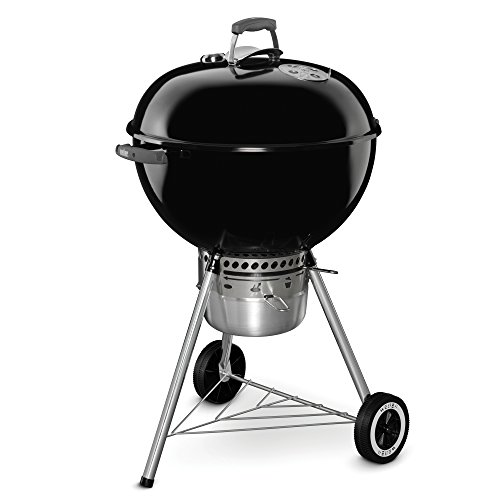
Weber Original Kettle Premium Charcoal Grill 22-Inch
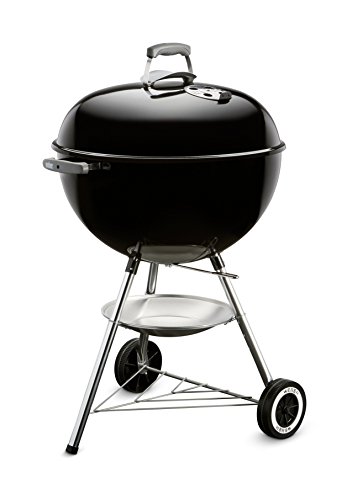
Weber Original Kettle Charcoal Grill 22-Inch

Weber Jumbo Joe Charcoal Grill 18-Inch

Old Smokey Charcoal Grill #18 Medium

Old Smokey Charcoal Grill #14 Small

4-Burner Propane BBQ Gas Grill with Side Burner

La Bolata 3-Burner Propane Gas Grill 252 Sq. In.
Taking A Closer Look At The Options
For most suburban backyards, this 22-inch kettle hits the sweet spot between classic charcoal character and everyday usability. The signature upgrade is a hinged cooking grate, a small detail that transforms the experience: you can add fresh charcoal or adjust a log without lifting the entire grate or losing your heat and smoke. The porcelain-enameled bowl and lid retain heat well enough to handle long indirect cooks, which means you can move beyond basic burgers into low-and-slow ribs without swapping grills.
Versus the more stripped-down Original Kettle further down this list, the Premium model earns its place by removing the one annoyance that drives people off charcoal in the first place: fighting with the grate mid-cook. For a family of four cooking two to three nights a week, it carries the workload comfortably.
Everyday Wins
- Hinged grate lets you add fuel mid-cook without disrupting the food.
- Porcelain-enameled bowl and lid handle weather and heat cycling year after year.
- One-Touch ash system sweeps debris into a high-capacity catcher, which cuts cleanup noticeably.
- 22-inch grate area handles about a dozen burgers or two full racks of ribs at once.
- Wheeled design rolls across a patio without needing two people to move it.
Things To Consider
- Charcoal-only design means waiting 20 to 30 minutes for coals to ash over before cooking.
- Requires dedicated storage space or a weatherproof cover in wet climates.
Who It Suits Best
Backyard cooks who want real charcoal flavor and the flexibility to sear steaks one night and slow-cook ribs the next without overthinking the setup.
Where Another Pick Suits Better
The Weber Original Kettle Charcoal Grill 22-Inch is a better fit for purists who do not need the hinged grate and prefer the simpler, lower-cost package.
This is the kettle that built the category, and decades of refinements show in how it cooks. The porcelain-enameled lid and bowl reflect heat back onto the food, which gives you a remarkably even cook for a grill at this level. Bottom and top dampers let you dial in temperature precisely, so you can run a steady 225°F for chicken thighs or push the vents open for a hard sear on a ribeye.
Compare it to the Premium model above: you lose the hinged grate and gain a simpler, lighter package that many longtime charcoal fans actually prefer. The One-Touch cleaning system is still there, making ash removal a two-minute job rather than a dreaded cleanup ritual.
Well-Handled Touches
- Proven design with decades of refinement behind every curve and vent.
- Top and bottom dampers give you real temperature control, not just on or off.
- Porcelain-enameled exterior holds up to rain, sun, and storage outdoors.
- Compact enough for a small yard but large enough to feed six people comfortably.
Trade Offs
- Standard grate means lifting the whole cooking surface to add more charcoal mid-cook.
- No built-in thermometer on the lid, so an aftermarket probe is a worthwhile add-on.
- Charcoal cost and lighting time add up compared to a propane setup for daily cooking.
Built With In Mind
Charcoal purists who appreciate a no-frills, time-tested design and do not mind the small extra effort of lifting the grate to manage fuel.
Consider Something Else When
The Weber Jumbo Joe Charcoal Grill 18-Inch makes more sense for anyone who needs a grill that disappears into a car trunk for tailgates and beach days.
The Jumbo Joe pulls off a neat trick: it feels like a portable grill until you actually lay food on it. The 18.5-inch plated steel cooking grate delivers around 240 square inches of space, enough for eight burgers or a full pack of brats with room to spare. It folds into a compact package with a handle on top, so it sits in a trunk or back seat without dominating your cargo area.
Tailgaters, campers, and anyone grilling in a rental with a strict “no permanent grill” rule tend to gravitate here. The porcelain-enameled lid and bowl match the durability of Weber’s full-size kettles, which means you do not sacrifice build quality just to gain portability.
Practical Advantages
- 240 square inches of cooking area, generous for an 18-inch portable.
- Folding legs and lid handle make transport and storage genuinely simple.
- Rust-resistant aluminum dampers and ash catcher handle humid and salty environments.
- Glass-reinforced nylon handles stay cool and resist cracking over time.
Worth Noting
- Smaller grate means cooking in batches for groups larger than six.
- No wheels, so you carry it fully loaded, which adds up on longer walks from the parking lot.
Feature Snapshot
Made For
Tailgaters, campers, and renters who want a real charcoal cook in a package that fits in a car and sets up in minutes.
Look Elsewhere When
The Old Smokey Charcoal Grill #18 Medium is a better fit for anyone who wants a stationary backyard grill with a simple, no-frills design.
Old Smokey grills have a cult following for one reason: the build is almost indestructible. The #18 Medium uses aluminized steel, a material that shrugs off rust far better than standard painted steel, which is why these grills get handed down rather than replaced. There is nothing fancy here, no side tables, no thermometers, no wheels. Just a bowl, a grate, and a lid that do their job for years.
For someone who wants a charcoal grill that lives outside year-round and gets used hard, this is the kind of tool that earns its space. Compared to the Weber kettles, the trade is fewer features for longer life and a lower ongoing cost.
Key Advantages
- Aluminized steel construction resists corrosion in humid and coastal climates.
- Lightweight enough to move around the yard without wrestling it.
- Simple assembly means you are grilling within minutes of unboxing.
- Made in USA from a mix of domestic and imported parts.
Worth Bearing In Mind
- No wheels, side handles, or ash management features beyond the basics.
- Minimal insulation means the exterior runs hotter than porcelain-enameled kettles.
- Smaller dealer network means replacement parts can take longer to source than major brands.
Right Fit For
Cooks who value durability over features and want a charcoal grill that handles weather and time without babying it.
Swap It Out When
The Weber Original Kettle Premium Charcoal Grill 22-Inch is a better fit for someone who wants more cooking area and modern conveniences like a hinged grate.
When a full-size kettle feels like overkill, the #14 Small steps in. The roughly 14.5-inch diameter footprint slips onto a tiny balcony or sits on a picnic table without crowding the space. It is the same aluminized steel construction as its larger sibling, so you are not giving up the longevity Old Smokey is known for, you are simply scaling it down for one or two people.
Singles, couples, and apartment dwellers who want real charcoal flavor without a permanent patio fixture tend to land here. Compared to the Weber Jumbo Joe, you lose folding portability but gain a smaller overall profile for tight storage closets.
Positive Takeaways
- Compact 14.5-inch diameter fits on small balconies and even sturdy outdoor tables.
- Aluminized steel build means it shrugs off weather despite its smaller size.
- Lightweight design makes it easy to bring out and stow in one trip.
- Minimal assembly required, with straightforward setup for first-time grillers.
Possible Compromises
- Small grate limits you to about four to six burgers per cook.
- No lid handle heat shield, so you want a basic oven mitt on hand.
Best Suited To
Apartment dwellers, couples, and small-space cooks who want a real charcoal grill without sacrificing precious patio square footage.
Another Choice May Suit
The Old Smokey Charcoal Grill #18 Medium makes more sense for anyone with a bit more space who wants to cook for four to six people at once.
Propane brings a different kind of convenience to grilling, and this four-burner setup leans into the entertaining side hard. A reversible cast iron griddle plate slots onto either side of the main cooking area, so pancakes, fajitas, and seared fish can happen at the same time as burgers on the main grate. A dedicated side burner handles pots and sauces while the main grill stays focused on the protein.
The cast iron wire cooking grate holds heat well, and the stainless steel warming rack keeps finished food from going cold while you finish the next round. For someone who hosts family cookouts and wants more than a basic gas box, the layout here earns its footprint.
Strengths Worth Knowing
- Four main burners plus a side burner create a full outdoor kitchen in one footprint.
- Reversible griddle plate adds genuine versatility for breakfast, veggies, and seafood.
- Stainless steel warming rack keeps finished food hot without overcooking it.
- Cast iron wire grate delivers solid sear marks and even heat distribution.
A Few Limitations
- Propane tank storage is a separate consideration and adds bulk to your outdoor setup.
- Larger footprint demands a dedicated patio or deck space rather than a small balcony.
Quick Facts
Who Should Grab It
Backyard hosts who cook for crowds regularly and want a propane setup that handles full meals, not just grilled meat on a single grate.
Reach For A Different Pick When
The La Bolata 3-Burner Propane Gas Grill 252 Sq. In. suits smaller households that want propane convenience without the full entertaining footprint.
This 3-burner propane grill keeps things focused. Three stainless steel burners put out a combined 30,000 BTU across 252 square inches of cooking space, which is plenty for a family of four running burgers, chicken, and veggies without constant rotation. The cast iron grates hold heat reliably, so a hot sear on a steak is well within reach.
Foldable side tables are the small touch that changes how usable the grill feels day to day. In a smaller yard or on a covered patio, the ability to fold them down makes storage and repositioning far less of a hassle. The easy-clean system targets one of propane grilling’s main pain points, grease buildup, with a design that simplifies post-cook maintenance.
Real-World Strengths
- 30,000 BTU output across three burners hits a strong power-to-size ratio.
- Cast iron grates hold heat for reliable searing and even cooking.
- Foldable side tables save space when the grill is not in use.
- 252 square inches of cooking area fits a family dinner without feeling cramped.
Some Limits To Know
- No side burner, so sauce and side dishes still need a separate pot on the stove.
- Cast iron grates need oiling and care to prevent rust over the long run.
- Propane tank sold separately, which adds to the overall setup cost.
Perfect Match For
Small-to-medium households who want propane convenience and cast iron searing without stepping up to a full entertaining-size grill.
A Better Fit Elsewhere
The 4-Burner Propane BBQ Gas Grill with Side Burner is the smarter pick for regular hosts who need a side burner and larger cooking area for bigger gatherings.
What To Weigh Before Choosing A Bbq Grill
Fuel Type Sets The Tone
Charcoal delivers the smoky flavor and ritual that many grillers live for, but it demands more time, more cleanup, and a steady supply of briquettes or lump. Propane trades some of that flavor for push-button ignition, fast temperature changes, and weekday convenience. The honest read is that charcoal rewards patience and propane rewards frequency, so think about how often you actually fire up a grill before committing.
Size And Cooking Area
A 22-inch kettle handles most family dinners comfortably, while an 18-inch portable makes sense for trips and tight spaces. Propane options typically list cooking area in square inches, and 250 to 400 square inches covers most households. Going too small creates batch-cooking fatigue, and going too large means wasted fuel and slower preheats.
Build Materials And Weather Resistance
Porcelain-enameled steel resists rust and cleans easily, which is why it shows up on quality kettles. Aluminized steel, like the Old Smokey line uses, handles humidity and coastal air well. Cast iron grates sear beautifully but need oiling and care. Match the materials to your climate and how much maintenance you actually want to do.
Portability Versus Permanence
Wheeled kettles work for stationary backyards, but if you tailgate, camp, or move often, folding legs and lighter builds pay off. For propane, foldable side tables and compact frames help in smaller yards and covered patios where every inch counts.
Key Considerations Across These Picks
Where Shoppers Go Wrong
The most common slip is choosing a grill that is either too big or too small for the space and crowd. Big grills on small patios crowd the cook, and small grills for big groups lead to endless batch cooking. Another pitfall is ignoring storage and weather exposure: a grill that lives outside year-round needs materials and a cover plan, while a grill that comes out weekly can get away with lighter-duty construction. Forgetting about fuel logistics also bites people, propane tanks, charcoal supply, and lighter fluid all add ongoing cost and storage needs.
What The Higher Tier Buys
Stepping up to a premium charcoal kettle typically buys a hinged grate, better dampers, and tighter temperature control, which matters once you move beyond basic burgers into indirect and low-and-slow cooks. Higher-tier propane grills add features like side burners, griddle plates, and sturdier cast iron grates that hold heat longer and sear better. The honest case for spending up is simple: you pay for fewer workarounds during the cook and longer service life across the years, which tends to matter most for anyone grilling more than once a week.
Frequently Asked Questions
How often should I clean my grill?
A quick brush of the grates after each cook while they are still warm prevents buildup, and a deeper clean every few uses keeps airflow and flavor on point.
Is charcoal or propane better for beginners?
Propane is more forgiving for beginners because it heats up fast and recovers quickly, while charcoal rewards those willing to learn fire management.
What size grill do I need for a family of four?
A grill with 250 to 400 square inches of cooking area handles a family of four comfortably, with room for a main protein and a couple of sides at the same time.
Can I leave my grill outside year-round?
Most grills handle outdoor storage with a weatherproof cover, though regular exposure to rain accelerates wear on unprotected steel components.
How long does a charcoal grill typically last?
A well-built charcoal grill can last a decade or longer with basic care, especially models with porcelain-enameled or aluminized steel bowls and lids.
The Takeaway
The right grill is the one that matches your space, your cooking style, and how often you actually plan to use it. Charcoal delivers flavor and ritual for cooks who enjoy the process, while propane offers speed and control for weeknight dinners and larger gatherings. Pick the fuel and size that fit your reality, and the rest tends to fall into place.