
A dead battery on a Saturday morning can derail a whole weekend of yard work. The category is a strange mix: tiny lithium packs for cordless push mowers, beefy AGM (Absorbent Glass Mat, a sealed lead-acid design that resists vibration and needs no maintenance) slabs for garden tractors, plus dedicated chargers that round out the system. Picking the right one comes down to chemistry, footprint, cold cranking amps (CCA, a measure of how much current a battery can deliver at 0°F for 30 seconds), and whether your mower is a 21-inch cordless or a 42-inch ride-on. This shortlist covers both worlds, with care taken to flag compatibility so you do not order the wrong shape, voltage, or terminal layout for your machine.
The Leading Options At A Glance
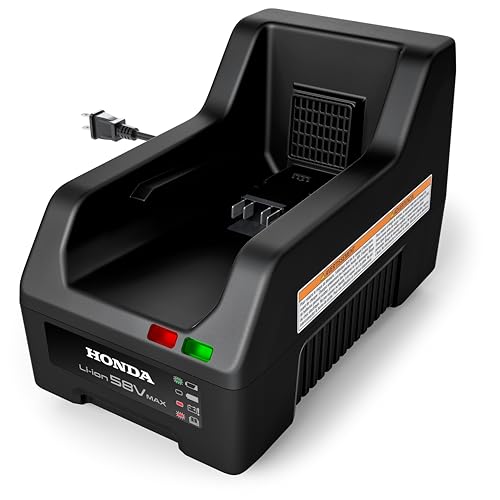
Honda CV5080N1U Fast Electric Lawn Mower Battery Charger

Reoben 7.5Ah Battery + CH2100 Charger Kit
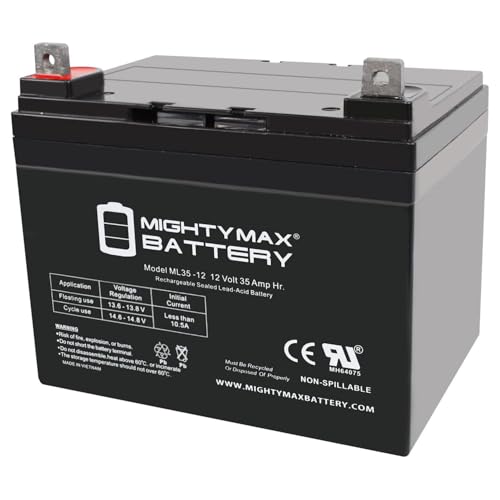
Mighty Max 12V 35Ah SLA Tractor Battery

UPLUS U1 Riding Lawn Mower Battery 12V 330CCA

Autocessking AGM Group U1 320CCA Battery

BRS U1 AGM Battery 12V 300CCA

POWTREE 2-Pack 7000mAh 40V Ryobi Replacement

Honda DP5080 8Ah Lawn Mower Battery
Inside Each Recommended Option
The CV5080N1U is a purpose-built charger for Honda’s cordless push mower line, designed around the brand’s patented battery interface. For owners who already run a Honda DP-series mower, this is the simplest way to add a second charger to a shed or garage so the workflow stops bottlenecking on a single outlet.
It pushes 58.8V at 8A, which trims charge times substantially compared to first-gen Honda chargers. In a small lawn, you can realistically mow, swap packs, and get back to cutting before lunch. It is worth noting though that this is a Honda-ecosystem item; if you run a different cordless brand, skip it and look at the Reoben kit below instead.
Strengths Worth Knowing
- 8A output refills the 8Ah pack in roughly 60 minutes and the 12Ah pack in about 90.
- Wall-mount ready, so it can live on a shed wall instead of cluttering the floor.
- Patented connector dock matches Honda batteries snugly, with no wiggle or weak contact.
- Lets you stage a second charging point, helpful during peak mowing season.
Points To Note
- Compatible only with Honda DP5080 and DP50120 packs, not cross-brand tools.
- Bulkier than a phone charger, so it needs a dedicated shelf or wall spot.
Who It Suits Best
Honda push mower owners with two batteries who want a second dock for a garage or shed setup.
A Better Fit Elsewhere
Anyone running Ryobi 40V gear should reach for the POWTREE 2-Pack 7000mAh 40V Ryobi Replacement instead, since this Honda unit is locked to the Honda ecosystem.
Reoben’s 7.5Ah pack is a third-party alternative for EGO’s 56V cordless yard lineup, sold with a CH2100 charger in the box. That bundle matters, because it gives a complete swap-in if your original EGO pack has started losing capacity after a few seasons of storage.
Capacity is the headline here: 7.5Ah outlasts EGO’s older 5.0Ah packs, which translates into longer mowing runs before a swap. Compatibility spans BA2800, BA1400, BA2800T, BA1400T, and BA4200T models, plus CH2100, CH7000, CH2800D, and CH5500 chargers. The catch is straightforward though, since it is an aftermarket unit, expect a slightly bulkier shell and weight than factory EGO packs.
The Case For It
- 7.5Ah capacity runs noticeably longer than stock 5.0Ah EGO packs.
- Wide model coverage across BA1400, BA2800, BA4200T batteries and CH-series chargers.
- Kit pricing is friendlier than buying a single OEM pack and charger separately.
- Useful for reviving an EGO mower whose original battery is no longer holding charge.
Less Ideal Details
- Aftermarket build, so physical fit and finish may not match OEM precision exactly.
- Confirm your specific EGO charger model is on the supported list before ordering.
Made For
EGO 56V mower owners who want a runtime boost without buying a whole new mower setup.
Where Another Pick Suits Better
Honda cordless users get a better native experience from the Honda DP5080 8Ah Lawn Mower Battery reviewed further down, which carries a brand-trusted fit.
Mighty Max’s 12V 35Ah sealed lead-acid battery is the old-school workhorse on this list, designed as a direct replacement for John Deere lawn tractor models like the 108. It carries 35Ah of capacity, which is generous for riding mowers that draw hard on the cranking battery during spring startup.
Dimensions sit at roughly 7.76 by 5.12 by 7.01 inches, so it slots into many stock trays without modification. The SLA/AGM construction resists spills and recovers from deep discharge, which matters in a tractor that sits in a cold shed for months. The honest read is that the listing ships the battery and screws only, with no harness, so factor in a few extra minutes for install.
Notable Upsides
- 35Ah capacity outclasses most U1-group lawn tractor batteries for longer crank cycles.
- Sealed lead-acid AGM design handles vibration across rough yard terrain.
- Recovers from deep discharge, useful for tractors parked through winter.
- Compact 7.76-inch length fits common OEM battery trays.
Small Caveats
- No wire harness or mounting accessories in the box, plan for a quick parts run.
- Heavier than newer lithium replacements, which matters on smaller mower decks.
Best Suited To
Owners of older John Deere riding mowers who want a straightforward, high-capacity OEM-style replacement.
Reach For A Different Pick When
Cold-climate users with multiple machines may prefer the BRS U1 AGM Battery 12V 300CCA, which pairs sealed design with stronger cold-weather cranking performance.
UPLUS targets the U1 form factor that dominates garden tractors, putting out 12V at 330 cold cranking amps. That 330 CCA figure, a measurement of how much current the battery can deliver at freezing temperatures, gives it a comfortable margin over typical OEM batteries, so spring starts on chilly mornings are less of a gamble. It is a sealed AGM unit, so there are no acid top-ups to schedule.
The broad brand fit list reads like a roll call of common yards: John Deere, Cub Cadet, Husqvarna, Craftsman, Toro, Ariens, Poulan Pro, and Troy-Bilt. That makes it a low-risk pick when you are not 100 percent sure of your tractor’s stock battery. Terminal layout follows the standard left-positive, right-negative convention, so polarity swaps are unlikely.
Where It Delivers
- 330 cold cranking amps handle late-winter and early-spring starts comfortably.
- Maintenance-free sealed AGM, no water checks or acid spills in the garage.
- Wide compatibility across eight major riding mower brands.
- Pure-lead construction claims a longer cycle life in spec descriptions.
Worth Bearing In Mind
- Group U1 footprint may not match older non-standard battery trays without adapter work.
- Higher CCA than some lighter U1 competitors, which can mean a slightly higher price on the listing.
Right Fit For
Multi-brand owners who want one reliable U1 battery that covers most mid-size garden tractors.
Where A Sibling Pick Shines
If you are on a tighter budget and only need basic cranking power, the Autocessking AGM Group U1 320CCA Battery is a sensible step down.
Autocessking’s U1 battery is built around the same Group 1 form factor that fills most garden tractor bays, putting out 12V at 320 cold cranking amps. That is enough headroom for typical weekend mowing without overspending on premium specs that a small lawn will never use.
It is sealed, so there is no acid top-up routine to keep track of during the off-season. The compatible brand list includes John Deere, Toro, Cub Cadet, and Craftsman, which covers a large slice of suburban sheds. It is also a U1 group, but the dimensions run a touch larger than the tightest factory trays, so measuring your existing battery before ordering is worthwhile.
Everyday Advantages
- 320 cold cranking amps comfortably handles standard residential garden tractors.
- Sealed AGM construction needs no water checks across its service life.
- Stable output for mowers with electric PTO clutches and headlights.
- Compatibility list covers the four most common residential mower brands.
A Few Limitations
- Dimensions are slightly larger than some OEM U1 trays, so measure first.
- 320 CCA lags higher-tier units in extreme cold snaps below 0°F.
- Subject to hazardous-materials shipping rules, which can extend delivery windows.
Whose Shelf It Belongs On
Homeowners with mainstream residential tractors who want sealed, low-maintenance starting power without overpaying.
Swap It Out When
You routinely mow in sub-freezing weather, in which case the BRS U1 AGM Battery 12V 300CCA’s vibration-resistant build handles rough terrain better.
BRS pitches its U1 battery at the harsh end of the spectrum, advertising vibration resistance and cold-weather readiness alongside 300 cold cranking amps. The 375 cranking amps figure, which measures current delivery at a warmer 32°F, helps the engine spin over quickly once the starter button is pressed.
Arrives fully charged, which is a small but real quality-of-life win when you want to drop it in and start mowing that same afternoon. AGM tech means zero maintenance, and the sealed design tolerates rough trails better than flooded cells, making it a sensible fit for UTVs, ATVs, and ride-on units beyond just mowers. It is worth weighing that 300 CCA is modest versus the UPLUS 330, so freezing zones may want the higher-spec option.
What Pays Off
- Vibration-resistant AGM cells hold up on rough acreage and gravel paths.
- Ships fully charged, ready to install on day one.
- Works across mowers, UTVs, ATVs, and small generators.
- Sealed design means no corrosion on terminals or tray over time.
Where It Is Less Suited
- 300 cold cranking amps is lower than UPLUS 330 and Autocessking 320 units.
- Group U1 footprint may require bracket work on compact tractor trays.
Perfect Match For
Mower owners who also run UTVs or generators and want one sealed battery that handles multiple small-engine machines.
Look Elsewhere When
Raw cold cranking power matters most, in which case the UPLUS U1 Riding Lawn Mower Battery 12V 330CCA is a better spec match.
POWTREE ships a 2-pack of 7000mAh lithium replacements aimed squarely at Ryobi 40V cordless mowers and outdoor tools. Two packs in one box changes the whole mowing rhythm: one stays in the mower while the other rests on the charger, eliminating the dead-battery stop mid-lawn.
Voltage and connector align with Ryobi’s 40V system, covering model numbers like OP4026A, OP4015, OP40602, OP40261, and OP40401. That wide model list, plus fitment for mowers such as the RY40200, RY40403, and RY40204, makes it flexible across multiple Ryobi 40V tools you may already own. Owners commonly report that aftermarket packs add a bit of weight versus OEM, so expect a slightly heavier feel in the hand.
Where It Helps
- Two-pack format supports continuous rotation through long mowing sessions.
- 7000mAh capacity extends runtime versus smaller OEM packs.
- Compatible with many Ryobi 40V mowers and outdoor tools beyond just the mower.
- Lithium-ion chemistry holds charge well during winter storage in an unheated garage.
Possible Compromises
- Aftermarket build may weigh slightly more than equivalent Ryobi OEM packs.
- Confirm your specific Ryobi 40V model number against the compatibility list before purchasing.
Who Should Grab It
Ryobi 40V cordless mower owners who mow larger yards and want a backup pack always at the ready.
Consider Something Else When
You run EGO 56V equipment, where the Reoben 7.5Ah Battery + CH2100 Charger Kit is the closer fit.
The DP5080 is Honda’s own 8Ah lithium-ion pack for its cordless push mower range, built around a patented ribbed connector and spring-loaded contact. That connector design prevents the side-to-side wobble that gradually wears down aftermarket contacts, which is a real concern on a battery that gets swapped twice a week through the season.
Rated at 8Ah, it delivers around 30 minutes of runtime, or roughly a quarter acre per charge, depending on grass height and terrain. For most suburban lawns, that covers a full mowing pass in a single battery cycle. If you tend toward larger properties though, the runtime tops out faster than the 12Ah DP50120 option Honda offers separately, which is worth knowing before committing.
Key Advantages
- Patented connector keeps the battery locked firmly in place during use.
- 8Ah capacity covers a typical quarter-acre lot in one charge cycle.
- Native Honda fit eliminates compatibility guesswork for Honda mower owners.
- Lithium-ion holds charge across winter storage better than older NiCad designs.
Details To Watch
- 30-minute runtime falls short for properties over a quarter acre.
- Locked to Honda’s 56V cordless system, not a cross-brand option.
Who Will Love This
Honda push mower owners with small to mid-size lawns who value a perfect-fit OEM replacement over third-party options.
Skip It When
You need extended runtime, in which case the Reoben 7.5Ah Battery + CH2100 Charger Kit gives more flexibility across EGO tools.
What To Weigh Before Choosing Battery For Tractor Lawn Mower
Match The Battery Type To Your Mower
Start by identifying whether your mower is a cordless push model or a ride-on tractor. Push mowers run on lithium-ion packs in the 36V to 56V range, while tractors and zero-turns rely on 12V lead-acid or AGM batteries in Group U1 form factor. Mixing the two categories is the most common mistake, so check the voltage and the connector shape before you fall in love with a spec sheet.
Cold Cranking Amps vs Capacity
For ride-ons, cold cranking amps matter most at startup, especially in regions that see freezing mornings. Aim for at least 300 CCA for a residential tractor. For cordless mowers, capacity (Ah) and voltage (V) drive runtime, so prioritize those numbers instead of cranking metrics that do not apply to your tool.
Footprint And Terminal Layout
U1 batteries look alike at a glance, but dimensions and terminal orientation vary by a few millimeters. Measure your existing battery and note which post is positive. Lithium packs are platform-locked, so fit is rarely an issue, but a Honda DP5080 will not drop into a Ryobi 40V mower regardless of capacity.
Charging And Storage Habits
Frequent mowers benefit from a second battery or a fast charger, since one dock creates a workflow bottleneck. Seasonal users should pick sealed AGM over flooded cells, which avoids acid checks during long storage. Cold sheds also favor AGM chemistry, which handles temperature swings more gracefully than budget flooded batteries.
Key Considerations Across These Picks
Wrong Turns To Avoid
Ordering by voltage alone is the most common slip, because a 40V Ryobi pack will not seat in a 56V EGO mower even if both are cordless. Tractor owners fall into a similar trap when they grab a Group U1 battery without checking terminal polarity, which can leave you with cables that do not reach. Measure twice, and cross-check the model number on the listing against your owner’s manual before clicking through.
Where The Extra Money Goes
Premium tiers tend to push higher CCA, longer cycle life, or added vibration resistance. Those numbers help in extreme cold or on rough acreage, but a casual weekend mower rarely needs them. The upgrade pays off most for commercial users, large properties, and anyone storing machines in unheated sheds through deep winters.
Frequently Asked Questions
How Do I Know Which Battery Fits My Mower
Check your owner’s manual for the battery group size, voltage, and terminal layout. For cordless tools, the model number of the tool or current battery (printed on the side) usually narrows the compatible replacements to a short list on the retailer page.
Can I Use A Lithium Battery In A Riding Mower
Some manufacturers offer lithium drop-ins for select tractor models, but most garden tractors still use 12V AGM or SLA batteries designed for high cranking loads. Check your tractor’s spec sheet before swapping chemistry, since the charging system may not be tuned for lithium.
What Does Cold Cranking Amps Actually Mean
CCA measures how much current a battery can deliver at 0°F for 30 seconds while staying above a minimum voltage. A higher CCA rating helps the starter motor turn over in freezing weather, which matters most for outdoor-stored tractors.
How Often Should I Replace A Lawn Tractor Battery
Most AGM and SLA tractor batteries last three to five years with normal seasonal use. Lithium push-mower packs often go five to seven years, though capacity drops gradually rather than failing suddenly. If your mower struggles to turn over or holds a much shorter runtime, a swap is likely due.
Is It Safe To Store Batteries In An Unheated Shed
AGM batteries handle cold storage well, since the sealed chemistry resists freezing better than flooded cells. Lithium packs also tolerate cold, though storing at partial charge (around 40 to 60 percent) extends cycle life. Avoid storing any battery on a concrete floor if you can help it, since temperature swings in a drafty shed are harder on cells than steady cold alone.
Closing Remarks
A good match comes down to three checks: the right chemistry for your mower type, the right footprint for your battery tray, and enough cranking or runtime headroom for your climate and yard size. Walk the shortlist against those three filters and the right pick tends to surface quickly. Whichever option you land on, a little prep before the order (measuring, model numbers, terminal layout) saves a return trip later.